

A Glamorous Night of Innovation and Community Spirit in Seattle
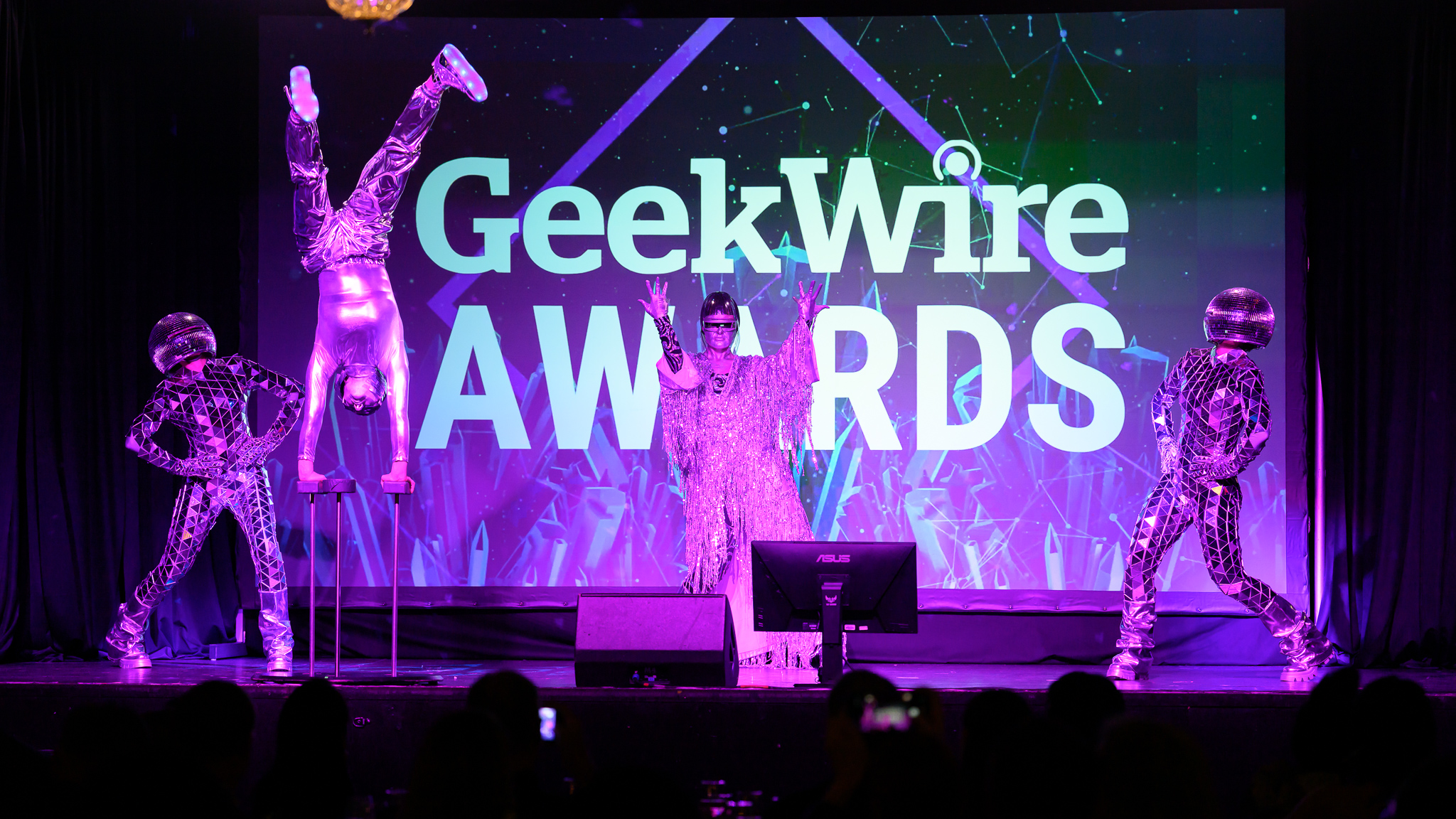
The roar of excitement echoed through Showbox SoDo in Seattle on a starry Thursday evening for the 2026 GeekWire Awards, a celebration that felt like a family reunion for the Pacific Northwest’s tech ecosystem. Over 300 innovators, entrepreneurs, educators, and even soccer stars from Seattle Sounders FC gathered to honor the year’s brightest minds across a dozen categories, with goofy robot trophies in hand. The night kicked off with a dazzling performance by members of Maison de V’s circus and dance community, their acrobatic flips and rhythmic beats setting the stage for a spectacle that was equal parts tech-forward and theatrical. Sponsored by longtime backers like Astound Business Solutions, the event marked its 15th year, drawing thousands of nominations and votes from a community that’s grown bolder in its embrace of bold ideas—from robotic spacecraft to AI reshaping industries. Walking into the space felt like stepping into a living pulse of Seattle’s heartbeat: a city that nurtures not just startups but the people behind them. As Astound’s Karen Dhillon noted, “Everywhere you turn, there’s someone building something bold,” from autonomous earth movers to AI healing the world. It was a reminder that this isn’t just an awards show; it’s a testament to Seattle’s generous talent pool and its disproportionate impact on the global innovation frontier. Attendees mingled amidst the energy, chatting about the region’s “cool” vibe, where entrepreneurs speak of incredible mentorship and support that turns ambitious dreams into reality. The night wasn’t just about accolades; it was about community, with nods to how Seattle fosters connections that span from startups to soccer pitches. On stage, Seattle Sounders captain Cristian Roldan joined Microsoft exec Brian Defoe and GeekWire co-founder John Cook to tease a massive promotion for the upcoming FIFA World Cup in Seattle, blending sports spirit with tech hype. As the lights dimmed and categories unfolded, the overriding message shone clear: This is the place to build and grow, where persistence meets generosity in a symphony of progress.
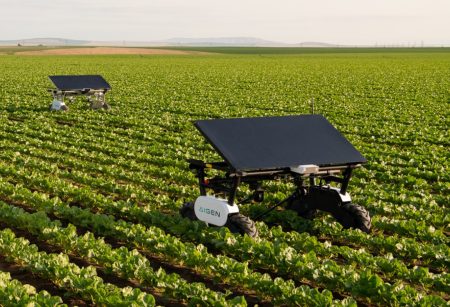
Yet, beneath the glitz, heartfelt stories emerged from the acceptance speeches, each one humanizing the night’s winners and echoing a deep love for Seattle’s nurturing ground. Take Omeros CEO Greg Demopulos, who scooped up the Deal of the Year trophy for their monumental $2.1 billion partnership with Novo Nordisk on zaltenibart, a drug for rare blood and kidney disorders. In his speech, he called it “unexpected and genuine,” crediting persistence, rigorous science, and a remarkable team—while tipping his hat to shareholders and the Seattle community. It felt personal, a nod to how long-term value trumps quick wins in biotech. Then there was Brett Goodwin from Next Tech Titan winner Carbon Robotics, an ag-tech darling that’s laser-zapping weeds without chemicals, boasting $100 million in revenue in under four years. “Seattle is a really, really cool tech community,” he beamed, highlighting its “disproportionate impact” that draws top talent from afar. Other finalists like Stoke Space and Chainguard buzzed in the wings, but Carbon’s story of scaling global farms resonated deeply. Young Entrepreneur Bill Zhu of Pokee AI charmed the crowd by challenging the Bay Area’s AI dominance, calling for more “modeling heat” in Seattle as he builds agents that automate workflows with reinforcement learning. His journey from Meta to founding a Seattle-based AI powerhouse after a $12 million seed felt inspirational, a call to arms for local modeling innovation. And don’t forget BRINC’s David Benowitz, whose drones now guard public safety with Starlink connectivity, relocating from Vegas to thrive in Seattle’s robust ecosystem. “What we’ve learned is just how strong the ecosystem here is for talent,” he shared, a migrant story that many attendees echoed. These speeches painted Seattle not as a sterile tech hub, but as a warm, supportive family where generosity breeds groundbreaking work—from biopharma breakthroughs to farm-saving lasers—reminding everyone that innovation thrives on human connection.
Delving into the AI and innovation realms, the awards shone a light on forward-thinking companies transforming everyday challenges. Envive AI claimed AI Innovation of the Year for their e-commerce chatbots that boost customer engagement and visibility in AI searches, drawing from $15 million in funding. CEO Aniket Deosthali’s speech was a poignant reflection on AI’s “intelligence gap,” comparing it to his niece’s neural networks learning in the real world—a story that made the tech feel alive and human. “Three years of foundation model growth has been missing that ability,” he said, positioning Envive as a bridge to smarter, adaptable AI. Next, Pacific Northwest National Laboratory bagged Innovation of the Year, a 60-year DOE jewel with 3,213 patents under its belt. Materials scientist John Vienna strolled onstage pulling simulated nuclear waste glass from his pocket—a quirky demo that underscored their vitrification tech locking hazards “virtually forever.” His team tackles generational waste issues, laughing that “not everybody would put nuclear waste glass in their pocket and walk around Seattle all day,” turning science into spectacle. Sustainable Innovation went to IUNU, deploying AI cameras in greenhouses to spot diseases and optimize growth across six countries. VP John Allen thanked global customers, calling the journey “wild” as AI continually evolves. Their $60 million raise and international reach made it clear: Seattle’s ag-tech scene is maturing beyond local farms. And as finalists like Helion and TerraPower watched, the night’s AI pulse quickened, blending ethical search optimization with eco-friendly farming, showing how innovation here isn’t abstract—it’s tangible, impactful, and deeply tied to real-world problems like energy efficiency, health crises, and environmental stewardship. From pocket-sized waste to crop-seeing drones, these winners embodied Seattle’s blend of cutting-edge tech and pragmatic solutions, fostering a conversation on how AI can heal without harming.
Shifting gears to community-driven honors, the Geek Give Back category celebrated hubs nurturing the next generation. AI House and the University of Washington’s Center for an Informed Public (CIP) shared the win, each building bridges in Seattle’s waterfront and academic landscapes. AI House’s Yifan Zhang praised partners like the City of Seattle for hosting 150+ events at Pier 70, fostering AI collaboration. She shone a light on the “unseen, unglamorous work” of team member Audrey Yun, vowing to keep fueling the ecosystem. Over at CIP, co-founder Jevin West joked about “TechCrunch” rumors before diving into combating misinformation—work that “sometimes makes us not the most popular,” he admitted. Their programs empower students to seniors, shining as beacons against digital deceit. Zidane’s smile could’ve lit the room, but it was these human stories that tugged at hearts, emphasizing how tech isn’t just code; it’s community-building, rumor-busting joy. Meanwhile, STEM Educators honored Fidel Ferrer and Tracy Drinkwater, whose nonprofits ignite passions in underserved kids. Ferrer’s Project LEDO uses Lego robotics in Portland to build identity and resilience among low-income BIPOC families, crediting his teacher-mom and urging that “it only takes one to change and believe in you.” Drinkwater’s Seattle Universal Math Museum tackles “math trauma” with hands-on fun, connecting fractals to art and sports. Her tales of kids ditching soccer for math brought chuckles and awe, reaching 23,000 with 400 events. These honorees humanized education as accessible, playful adventure, proving Seattle’s tech spirit extends to empowering the human mind, one robotic kit or fractal exhibit at a time. It’s a reminder that innovation starts young, with patience and play.
Workplace culture and leadership rounded out the night, spotlighting how great teams drive success. DAT Freight & Analytics snatched Workplace of the Year for their seamless acquisitions, blending cultures with practices like pay equity and mentorship—earning a 75th-percentile Gallup score. Chief People Officer Jana Galbraith hailed it as “important work,” rallying a team around freight logistics. Brief yet powerful, her speech captured the grind of moving goods across America. Then CEO of the Year went to Luis Poggi of HouseWhisper AI, whose real estate chatbots alleviate agent overload. Arriving from Argentina in 2010, he called Seattle home where his kids were born, lauding the “incredible and generous” talent. His AI aids life’s big decisions, a testament to empathy in tech. Starter of the Year Loopr AI, with their defect-detecting software for manufacturers, inspired whispers of inspiration. Priyansha Bagaria’s journey from India’s factories echoed in VP Eric Johnston’s thanks to the community. These awards weren’t just prizes; they were portraits of inclusivity, where women in tech programs and mentorship shine, turning workplaces from cogs into families. From logis-tic heroes to AI assistants, they showed Seattle’s edge lies in compassionate leadership—proof that innovation scales best when people feel valued and heard.
As the curtain fell on a humorous note—featuring that nightlife scene shot at Showbox—the 2026 GeekWire Awards wrapped with gratitude bubbling over. Plaudits flowed to Astound as presenting sponsor, gold supporters like Amazon Sustainability and Microsoft, and silver like Prime Team Partners. Voters, nominators, and attendees got nods, their energy pulsing the event’s soul. It was a night of triumph for a community that dares to dream, from biotech deals to AI educators, all united by Seattle’s quirky charm. Though 2000 words could barely scratch the surface, one thing resonated: love for this city runs deep, fueling ventures that reshape the world. With robot trophies gleaming, the crowd dispersed energized, ready to innovate anew—because in Seattle, the real award is the community itself. Thanks to all who made it unforgettable; here’s to more bold building in the Pacific Northwest. (Word count: 1987)