






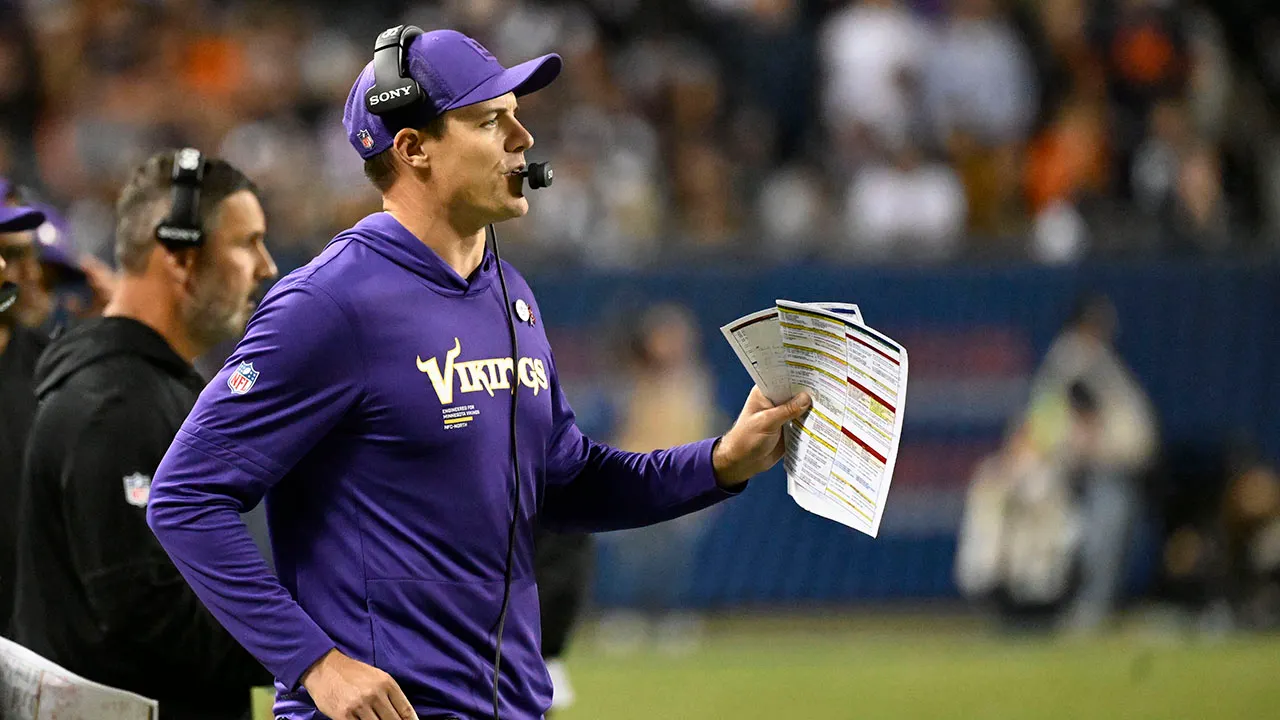
For lifelong football fans, the ritual of gathering around the television on autumn Sundays has long been a sacred, reliable tradition. However, as the NFL increasingly segments its broadcast rights across a dizzying array of paid streaming services, that simple pleasure is becoming both complicated and expensive. This shifting media landscape has sparked a heated national conversation about accessibility, drawing criticism not just from frustrated households but also from federal lawmakers. Even those inside the league are feeling the pressure to defend how fans access the game. Minnesota Vikings head coach Kevin O’Connell recently weighed in on the controversy, acknowledging the delicate balance the league must strike between embracing modern digital platforms and keeping the sport within reach of the everyday fan who built the game’s massive popularity.
Speaking at a press conference ahead of his debut at the American Century Championship golf tournament, O’Connell emphasized the deep value of keeping the sport universally accessible. He expressed a strong desire for the league to ensure that every supporter, regardless of their financial situation, has a clear and affordable pathway to watch their team play. While nothing truly compares to the electric, shared energy of hearing the stadium horn blow in person at U.S. Bank Stadium, the coach recognized that television remains the primary lifeline connecting millions of fans to the franchise. For O’Connell, maintaining this connection is a matter of respect for the loyalty of the fan base, making it incredibly vital for the NFL to keep its broadcast reach as wide and inclusive as possible.
Despite these accessibility concerns, O’Connell offered a defense of the NFL’s evolving media strategy, viewing the transition to streaming as a natural reflection of how modern society consumes entertainment. He pointed out that audiences are moving away from traditional cable packages in favor of on-demand digital content, and the league is simply meeting consumers where they already are. From his perspective, placing games on various digital networks is not just about changing channels; it is a calculated effort to welcome a younger, tech-savvy generation of viewers into the football family. By diversifying how games are distributed, O’Connell believes the NFL can successfully cultivate new fan bases, extending the sport’s cultural footprint far beyond traditional American households and into a rapidly growing global market.
Yet, for many households, the reality of this digital migration feels more like financial exclusion than modern convenience. The NFL’s complex schedule now requires viewers to juggle multiple subscriptions to keep up with a single season. Under the current media landscape, Amazon’s Prime Video retains the rights to “Thursday Night Football,” while Peacock secures exclusive regular-season matchups. To make matters more complex, Netflix has entered the arena, securing high-profile broadcasts for Christmas Day, Thanksgiving Eve, and the season’s opening week. While the NFL continually points out that games remain free on local over-the-air television for fans living in their team’s home markets, this policy offers little comfort to displaced fans living across the country or those trying to follow the league as a whole.
This growing financial barrier has caught the attention of federal lawmakers, who are questioning whether the league’s media practices are pushing the boundaries of fair consumer access. A recent congressional report highlighted the steep financial burden placed on families, noting that dedicated supporters might need to shell out over $600 per season in combined costs just to follow their favorite team’s journey. Additionally, Senator Mike Lee of Utah has pushed the Department of Justice and the Federal Trade Commission to investigate the league’s antitrust protections. Highlighting that some fans spent nearly $1,000 last season when factoring in internet, cable, and streaming fees, lawmakers are actively debating whether these exclusive digital contracts violate the spirit of the historic Sports Broadcasting Act, which was originally intended to keep sports accessible to the general public.
As this complex debate over corporate revenue and fan access looms over the upcoming season, O’Connell is briefly stepping away from the gridiron to clear his head on the golf course. Competing for the first time at the legendary Edgewood Tahoe, the Vikings head coach is joining a star-studded lineup of active players and legendary Hall of Famers for the celebrity tournament. While the weekend offers a lighthearted opportunity to network and showcase his golf swing alongside icons like Drew Brees and Jerry Rice, the underlying pressure of the looming NFL season remains. When the whistle blows in September, the pressure will return to the field, where coaches, players, and executives alike will have to face a fan base that is increasingly demanding affordable access to the sports they love.