


The Thrilling Comeback That Echoes Through March Madness Lore
In the electric realm of college basketball, where upsets brew like storms on the horizon, nothing captivates quite like a heart-stopping comeback under the brightest lights. The 2023 NCAA Tournament first round roared to life with a tale that would be recounted for generations at Virginia Commonwealth University (VCU), the No. 11 seed Rams facing off against the mighty No. 6 North Carolina Tar Heels. Imagine the scene: the arena packed with fans waving black and gold, the choruses of cheers mingling with groans of disbelief. VCU trailed by a staggering 19 points with just 15 minutes remaining, a deficit that felt insurmountable, like trying to climb a mountain in a blizzard. Yet, these resilient Rams, fueled by sheer grit and unyielding spirit, clawed their way back inch by agonizing inch. It wasn’t just a win; it was redemption, a symphony of second chances that reminded everyone why March Madness feels like a living, breathing drama. Fans at home, glued to their screens, felt the rollercoaster highs and lows, their hearts pounding as if they were courtside. This game wasn’t merely about points; it embodied the soul of underdogs everywhere, proving that in sports, as in life, hope can flicker even in the darkest pits of despair.
Terrence Hill Jr., the fearless guard and heartbeat of VCU, emerged as the hero destined for the history books that night. With determination etched across his young face, he danced through defenders like a shadow in the night, raining down points that turned the tide. His final tally: an astounding 34 points, sinking 13 of his 23 shots from the field, and crucially, 7 out of 10 from beyond the arc. But the magic unfolded in the second half and overtime, where 23 of those points erupted, including the game-sealing three-pointer that left the crowd in a frenzy of deafening applause. Hill Jr. hadn’t just scored; he’d orchestrated a resurrection. Picture him, sweat-drenched and eyes alight with fire, calling plays and hitting shots under immense pressure. This was more than basketball genius; it was the kind of performance that inspires kids in suburban driveways and inner-city gyms alike. Off the court, Hill Jr. is a quiet force, a student-athlete balancing academics and dreams, but on it, he transforms into a whirlwind, embodying the raw emotion of sacrifice and triumph that defines blue-collar programs like VCU.
As the clock ticked down, the drama intensified, culminating in a moment of gut-wrenching tension that had viewers on the edge of their seats. North Carolina’s Henri Veesaar, a determined forward, found himself at the free-throw line, the ball in his hands and the score at a precarious 78-80 deficit. With two shots to force another overtime or even snatch victory, he approached the line with poise, only for the first attempt to clang off the rim. The gym fell silent, breaths held collectively across the nation, as anticipation hung thick in the air. Missing that free throw sealed North Carolina’s fate, their heads bowed in disbelief as the buzzer blared zero, and VCU’s bench erupted in joyous pandemonium. It was a cruel capstone to UNC’s valiant effort, where they had dominated early but couldn’t withstand the unrelenting come-from-behind fury. For VCU, it marked their first NCAA Tournament victory since 2016, a drought-breaking achievement that felt like a lifetime in the making. Shooting an incredible 62% from the field in the second half alone, including 7-for-10 from three-point land, the Rams proved that late-game brilliance can rewrite narratives. In that 47-36 second-half surge, individual efforts melded into a collective masterpiece, reminding us that sports isn’t always about the obvious stars but the hidden heroes who step up when it counts most.
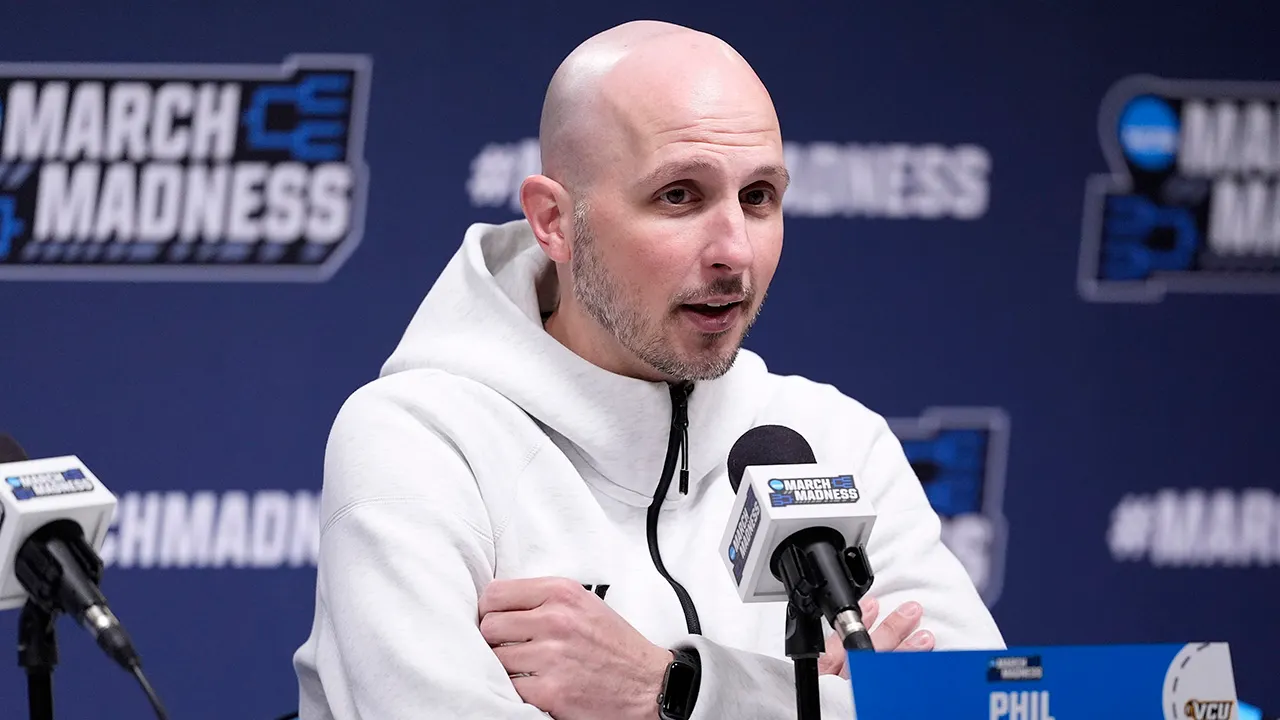
In the glow of victory, as cameras flashed and microphones hovered like eager bees, VCU head coach Phil Martelli Jr. stood poised for the post-game press conference, his eyes scanning the sea of journalists. But unlike the polished summaries we’ve come to expect from such moments, Martelli, ever the passionate advocate for his program’s ethos, decided to flip the script. When Ben Rekosh, the affable director and on-air commentator for WVCW Sports—the school’s own student-run radio station—began probing about the epic comeback over North Carolina, Martelli couldn’t contain himself. He interrupted with a booming voice, rich with genuine warmth, turning the interview into a heartfelt tribute. “Hold on a second,” he declared, his face lighting up with that signature grin that speaks of countless late nights coaching kids through adolescence. This wasn’t just a coach acknowledging the media; it was a man celebrating the unsung backbone of his team’s journey, humanizing the often corporate world of sports reporting.
Martelli’s praise flowed like a river, detailing the extraordinary dedication of the WVCW crew, including Rekosh and his colleagues, who had become an extension of the VCU family. “These guys drove through a snowstorm—I’m still puzzled as to why—to cover us in Davidson,” he recounted, painting a vivid picture of their tireless pursuit of the story, undeterred by harsh weather that could have deterred even the most seasoned reporters. From snowy roads to far-flung arenas in St. Louis, they were there every step, documenting the highs and lows with the passion of true fans. But Martelli, with a twinkle of mischief, didn’t shy away from gentle ribbing. “We won’t talk about that Valentine’s Day game they missed,” he laughed, eliciting chuckles from the room, acknowledging the human foibles of young love and unending commitments. “I understand young love is young love.” Then, shifting to sincerity, he elevated their worth above the professionals: “The rest of these [media members] are getting paid—not enough, mind you—but they get paid to be here. Our student media? They’re volunteering this grit, showing up every single day, every single game, and I can’t thank you guys enough.” In that moment, Martelli wasn’t just a coach; he was a mentor, a father figure emphasizing that true value often lies in voluntary passion, not compensation.
Ben Rekosh, touched by the spotlight, graciously absorbed the accolades, his voice steady as he steered back to his original question about the team’s resilience. “I appreciate that, Coach,” he replied, a smile tugging at his lips, reflecting the mutual respect that had built over years of covering VCU’s journey. It was a brief exchange, but it encapsulated the essence of grassroots sports media—the bridge between the team’s heartbeat and fans worldwide. This victory wasn’t isolated; it breathed new life into VCU’s legacy, a program known for its scrappy style and community ties. As news of the win spread, aided by Fox News’ digital reach—like the exciting new ability to listen to articles, making stories accessible on the go—it highlighted how student journalists often go unnoticed yet fuel the narrative. Martelli’s shout-out wasn’t merely polite; it was a powerful reminder that in the vast ecosystem of sports, the dedicated few who chase stories out of love deserve the brightest spotlight. For VCU, this marked not just a triumph on the court, but a celebration of the human connections that make championships unforgettable. As fans followed on X and subscribed to newsletters for more, the game lingered as a testament to perseverance, now woven into the fabric of March Madness mythology.