


There was a time when soccer in the United States was viewed through a lens of skepticism, treated as a sport played by millions at the youth level but rarely capturing the collective imagination of the broader American sports landscape. Those days are officially over. When the U.S. Men’s National Team (USMNT) stepped onto the pitch on Wednesday to face off against Bosnia and Herzegovina, it wasn’t just a sporting event; it was a bona fide cultural phenomenon. As millions of households tuned in, kitchens and living rooms across the nation transformed into makeshift stadiums, filled with the nervous energy that only a high-stakes tournament match can inspire. This historic clash proved to be a watershed moment for the “beautiful game” stateside, signaling a permanent shift in how Americans consume global football. The sheer volume of people who stopped whatever they were doing to watch this group of young athletes carry the hopes of a nation on their shoulders was nothing short of breathtaking. It served as a vivid reminder that when the red, white, and blue steps onto the world stage, the entire country is ready to stand up, watch, and believe.
The cold, hard data provided by Nielsen only confirms what anyone looking at social media or walking past a local sports bar could already feel: America has a soccer fever, and it is highly contagious. The preliminary broadcast numbers on Fox revealed a jaw-dropping average of 24.43 million viewers, with the television audience peaking at a staggering 31.88 million late in the game as tension reached its absolute zenith. To put these historic figures into perspective, this broadcast officially became the most-watched English-language soccer match in United States history, narrowly edging out the iconic 2015 Women’s World Cup final between the U.S. and Japan, which had previously held the crown with 22.32 million viewers. But the story doesn’t end with English-language television. When you factor in the passionate viewers who tuned in to Telemundo’s Spanish-language broadcast—which drew an additional 9.1 million fans—the combined multi-platform total skyrocketed to an unprecedented 33.53 million viewers. This tournament has done nothing but smash existing milestones, completely rewriting the broadcasting record books and proving that soccer’s media footprint in the U.S. is now rivaling traditional heavyweights like the NFL and NBA.
To fully understand why so many eyeballs were glued to the screen, one must look at the immense pressure cookers both teams had been placed in leading up to this fateful night. The United States entered the pitch carrying the heavy burden of history, fiercely determined to secure their first knockout stage victory since their legendary, generation-defining run in 2002. The team was also seeking redemption, trying to wash away the bitter taste of a highly disappointing loss to Türkiye that had brought a dramatic and stressful end to their group-stage campaign. On the other side of the pitch stood a hungry, dangerous opponent in Bosnia and Herzegovina. Having fought their way out of Group B as a scrappy, overlooked third-place team, they entered this matchup wearing the coat of the ultimate underdogs. With absolutely nothing to lose and everything to gain, Bosnia and Herzegovina relished the opportunity to play the role of the ultimate spoilers, hoping to break American hearts and eliminate the host nation on its very own soil. The narrative was perfect, the stakes were sky-high, and the stage was set for an unforgettable battle of wills.
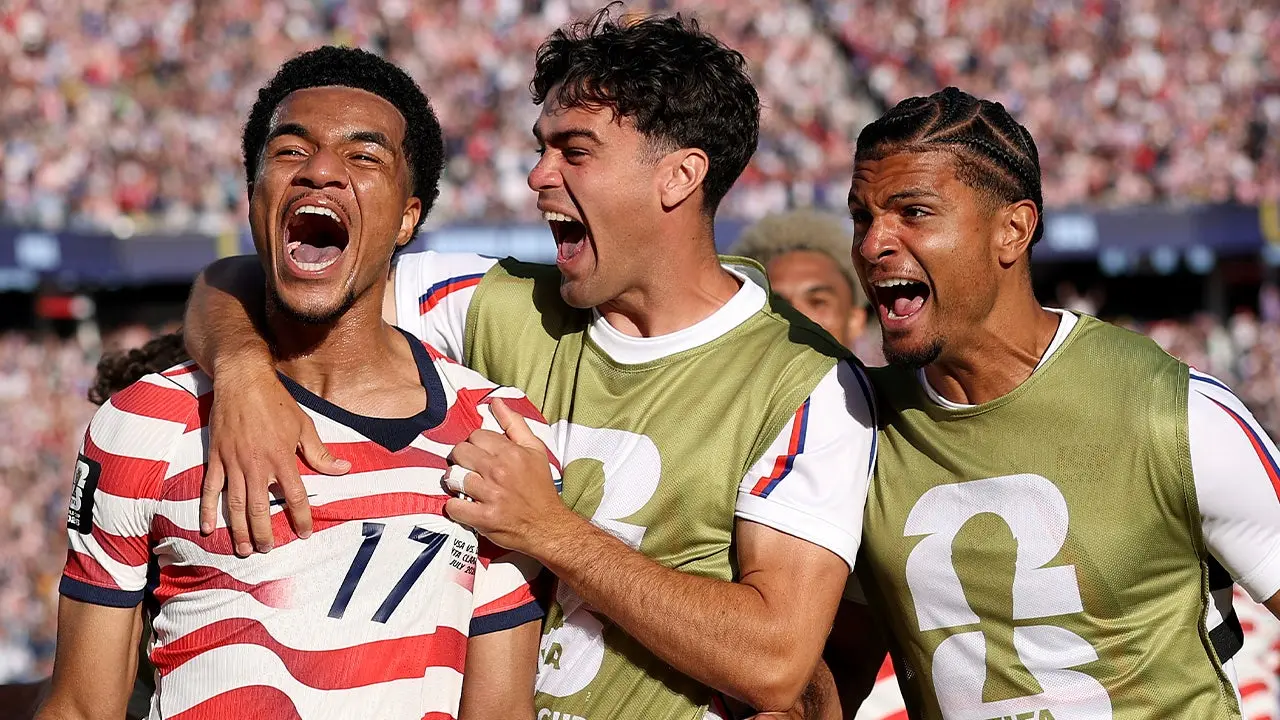
From the opening whistle, the match lived up to every ounce of the pre-game hype, offering a masterclass in high-intensity, physical football that kept fans’ hearts in their throats. The U.S. team played with a renewed sense of urgency, moving the ball with a fluidity and confidence that had been sorely missing in their previous outing against Türkiye. Every pass, tackle, and run felt loaded with consequence, and the energy from the crowd seemed to fuel the players’ relentless press. Finally, the breakthrough came, sending shockwaves of pure joy through stadiums, living rooms, and viewing parties worldwide as the U.S. surged ahead to a hard-fought 2-0 lead. These late-stage goals explained the dramatic spike in television viewership, as casual sports fans quickly realized they were witnessing a historic sporting moment in the making and rushed to their screens. The final whistle brought a massive wave of relief and celebration across the nation, cementing a monumental victory that propelled the team forward and justified the immense hype surrounding this generation of American soccer talent.
However, in the beautiful game, triumph and tragedy are often separated by the thinnest of margins, and this historic win came at a devastating cost for the Americans. The joyous atmosphere was suddenly pierced by controversy when star striker Folarin Balogun became the target of a highly disputed red card decision. In an instant, the referee’s whistle altered the entire trajectory of the team’s tournament run. The U.S. was forced to dig deep and defend their lead for the grueling final 25 minutes of the match, playing a man down against a relentless Bosnian side that smelled blood in the water. While the American defense showed incredible grit and resilience to hold on for the shutout win, the emotional fallout of the card was immediate and painful. Balogun, a vital focal point of the team’s offensive engine, was not only banished from the rest of Wednesday’s game but was also handed an automatic suspension that rules him out of the pivotal Round of 16 clash. It was a heartbreaking twist of fate, leaving fans and analysts passionately debating the fairness of the call while mourning the absence of their star player.
Now, the USMNT must dust themselves off, put the celebration behind them, and prepare to face a formidable Belgian squad on Monday without their premier goal-scorer. Facing a world-class team like Belgium in the Round of 16 is already a daunting challenge, but doing so short-handed will require a heroic, next-man-up performance from every player wearing the crest. Yet, despite the looming dark cloud of Balogun’s suspension, there is an unmistakable sense of hope and defiance surrounding this squad. They have already achieved the impossible off the pitch, uniting tens of millions of fans and solidifying soccer as a major force in the American cultural mainstream. As the team gears up for Monday’s high-stakes showdown, they do so knowing that they are no longer playing in the shadows. They are backed by a booming, passionate nation of over thirty million strong, ready to scream at their television screens once again, proving that whatever happens on the pitch, soccer in America has finally, indisputably, arrived.