


The End of a Cowboy Legend
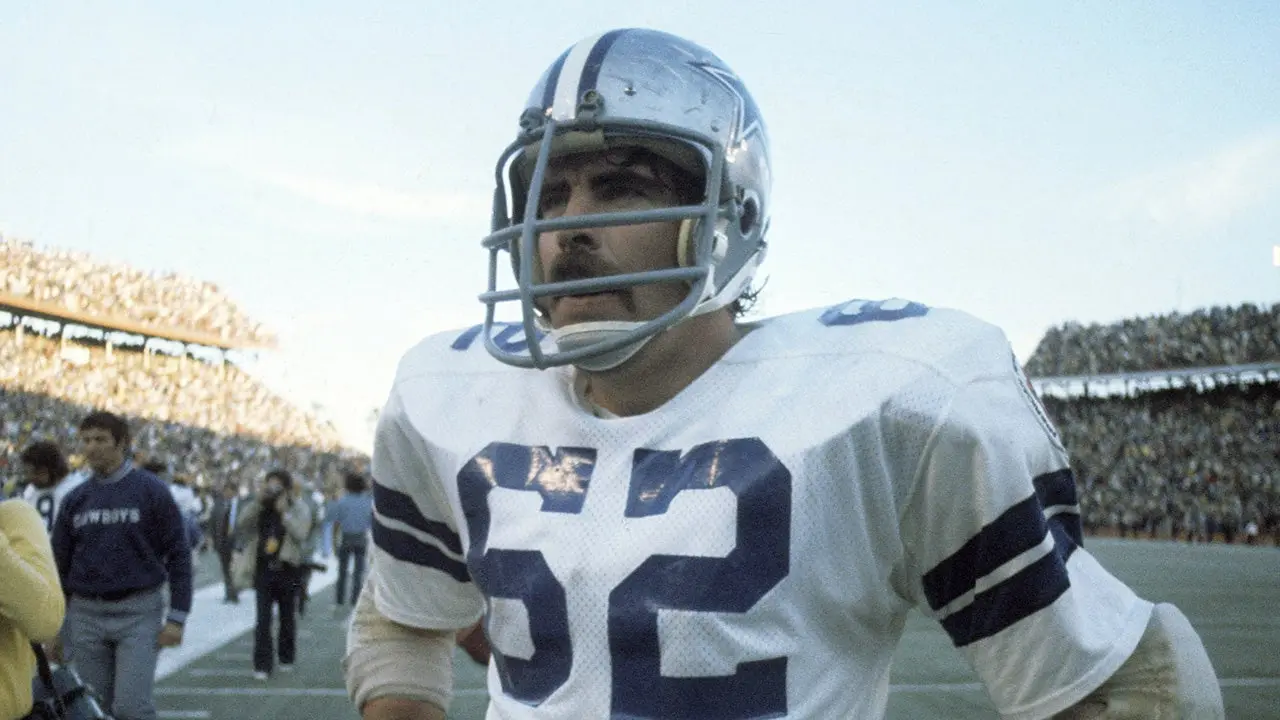
Imagine waking up to the news that someone who helped define an era of football dominance has passed away, leaving a void in the hearts of fans who grew up admiring his grit and skill. John Fitzgerald, the former Dallas Cowboys center, has died at the age of 77, as announced by the team’s official website on Tuesday morning. No details on the cause of his death were shared, but for those who followed his journey, it’s a moment to reflect on the life of a man who went from college athlete to Super Bowl champion. Fitzgerald wasn’t just a player; he was a cornerstone of the Cowboys’ identity, snapping the ball with precision that powered some of the team’s most golden runs. Growing up, he must have dreamed of making it big in the NFL, starting from humble beginnings at Boston College where he earned induction into the school’s Athletic Hall of Fame in 1982—a testament to his versatility playing both sides of the line. Fans remember him as the guy who anchored the offensive line, turning chaos into opportunity for quarterbacks like Roger Staubach. His passing feels personal, like losing a family member who was always there during those crisp autumn Sundays when football felt like family time. People are sharing memories on social media, from old game footage to stories of meeting him at charity events. Fitzgerald’s dedication to the game transcended stats; it was about loyalty, hard work, and bringing a community together. Even in death, his legacy pulses through the veins of football history, reminding us that heroes aren’t immortal but their impacts sure feel that way. As we mourn, there’s comfort in knowing his achievements shaped the sport we love, inspiring the next generation of linemen who dream of wearing the star on their helmet. Fitzgerald’s story is one of perseverance, from dorm rooms to end zones, and his quiet strength will echo in Cowboys’ chants for years to come.
From College Fields to Four-Decade Honors
John Fitzgerald’s journey to football stardom began on the green fields of Boston College, where he was more than just a player—he was a force of nature adapting to whatever the game demanded. Picture this: a young Fitzgerald, full of energy and ambition, lining up on both offense and defense, proving he could tackle defenders or clear paths for running backs. It wasn’t unusual for him to switch roles during practice, honing skills that later made him indispensable. His versatility earned him a fourth-round pick by the Dallas Cowboys in the NFL Draft, a moment that must have filled his heart with pride and nerves. Imagine the thrill: his family cheering, friends calling to congratulate him, the dreams of playing pro ball suddenly real. At Boston College, he wasn’t just building muscles; he was crafting a reputation for reliability, grinding through drills that prepared him for the intensity of the NFL. Coaches saw potential in his athletic build and tireless work ethic, qualities that would define his career. Those college days were formative, filled with the camaraderie of teammates pushing each other limits, late-night study sessions blending with training camps. Fitzgerald thrived in an environment where hustle was currency, learning to snap balls cleanly and anticipate plays—a skill set that would prove crucial in the pros. Reflecting on his induction into the Athletic Hall of Fame, you can sense the shared joy among alumni who watched him rise. He embodied the spirit of Boston College, carrying that chip-on-his-shoulder mentality into every snap. Life lessons from the bench taught him patience, shaping the disciplined player who refused to back down. Fitzgerald’s college story is a reminder of how early passions can sculpt destinies; his adaptability turned him into a lineman for the ages, ready to conquer the gridiron with heart and hustle.
Breaking into the NFL: Early Struggles and Growth
Rookie year jitters are a rite of passage for NFL hopefuls, and John Fitzgerald was no exception, navigating the rough terrain of professional football with the determination of someone who knew his opportunity might be fleeting. Selected as a defensive tackle initially, he spent his debut season in 1969 riding the taxi squad—a benchwarmer’s lot, watching from afar as stars took the field, feeling the sting of underutilization but using it to fuel his fire. Imagine the frustration: dressing rooms filled with veterans sharing war stories, Fitzgerald soaking it all in, learning the nuances of the Cowboys’ system. It was a humbling start, miles from the spotlight, yet it built character. By 1971, the tides turned when the team shifted him to offense, becoming a backup guard on their Super Bowl VI-winning squad. That taste of glory must have been exhilarating—a career-defining pivot, finally getting real reps in games that mattered. Players like Fitzgerald redefine “resilience,” adapting to new positions without complaint, driven by an inner drive to contribute. Think of the long drives back from practice, pondering plays, or the family support cheering him on. His early pro experiences mirrored the everyday grind of athletes worldwide, balancing high hopes with harsh realities. Fitzgerald’s story resonates with anyone who’s faced setbacks, turning them into stepping stones. By the end of that era, he was no longer just a name on the roster but a pillar of stability, inching closer to the center of the Cowboys’ universe. Those developmental years, though tough, forged the unbreakable core of a two-time champion, proving that patience and perseverance pay off in the endgame of life and sport.
The Heart of the Cowboys: Mastery at Center
By 1972, John Fitzgerald found his true home at center for the Dallas Cowboys, evolving from a versatile utility player into the linchman’s embodiment of command and strategy, guiding an offense that consistently outmatched rivals. For eight consecutive seasons from 1973 to 1980, the Cowboys’ attack ranked in the top 10 in total yards, a feat underscoring Fitzgerald’s pivotal role in creating seams for backs and targets for receivers. Picture him in the huddle, calm under pressure, snapping the ball with surgical precision—his job wasn’t flashy, but it was essential, like the unsung hero keeping the lights on. Head coach Tom Landry trusted him to adapt to the innovative shotgun formation, proving Fitzgerald could handle the distance and timing without missing a beat. Imagine the buzz when the offense clicked, leading to three Super Bowl appearances in four seasons, including the triumphant 27-10 win over the Denver Broncos in Super Bowl XII. Fans remember those games vividly: the roar of the crowd at Texas Stadium, Fitzgerald anchoring plays that defined dynasties. Over 12 seasons at the center, the team racked up 11 playoff berths, nine NFC championships, and five Super Bowl trips—two of which ended in victories, etching Fitzgerald’s name in immortality. His impact went beyond yards; he fostered team chemistry, mentoring rookies with a nod and a knowing smile, making the Cowboys feel like a brotherhood. In an era of larger-than-life personalities, Fitzgerald was the steady force, his reliability turning potential chaos into championship swagger. Reflecting on his career, you see a man who understood football’s beauty: collaboration over individualism, sacrifice for shared glory. Fitzgerald’s tenure at center wasn’t just a job—it was a calling, humanizing the sport through his dedication and transforming the Cowboys into legends.
A Knee Injury and Retirement: Bowing Out Gracefully
The game of football is unforgiving, and in 1981, John Fitzgerald faced a cruel reminder when a knee injury sidelined him, forcing the Cowboys to place him on injured reserve and accelerating his retirement in 1982. It must have been a whirlwind of emotions: the pain of physical setback mixed with the bittersweet ache of saying goodbye to comrades and the field that felt like home. Players like Fitzgerald often retire quietly, their bodies whispering “enough” after years of pounding. Imagine the family gatherings, swapping stories between treatments, Fitzgerald pondering what comes next beyond the sidelines. Transitioning out of the NFL wasn’t just logistical; it was a life pivot, from gridiron gladiator to civilian life, perhaps coaching youth or advising the next wave of athletes. His departure marked the end of an era, leaving a hole in the Cowboys’ lineup that underscored his irreplaceable value. Fans mourned not just a talent but a presence—one who brought heart to every snap. Fitzgerald’s retirement story humanizes the athlete’s journey, reminding us that behind the toughness lies vulnerability. He carried the weight of two Super Bowls into his post-football days, becoming a role model for resilience. In retirement, he likely grew into gentler pursuits, perhaps mentoring kids or reminiscing over old game tapes with a warm beer. The knee injury was a chapter’s end, but Fitzgerald’s legacy endured, informing how we view the toll of the game on human bodies and spirits. His graceful exit is a lesson in knowing when to step back, preserving memories while forging new paths.
Echoes of Legacy and Modern Connections
As news of John Fitzgerald’s passing reverberates, it serves as a bridge to the ongoing narrative of football, where legends inspire contemporary tales like that of former Chargers second-round pick Nasir Adderley, now signing with the Colts three years after retiring at age 25. Adderley’s story mirrors the unpredictability Fitzgerald might have reflected on—early highs turning to career shifts due to injuries or choices, highlighting football’s fleeting nature. Fitzgerald would have appreciated Adderley’s brief but intense tenure, perhaps sharing wisdom earned from his own injuries. In humanizing both figures, we see the sport as a tapestry of ambition and adaptation, with fans downloading Fox News apps to stay updated on such shifts. Fitzgerald’s 77 years on Earth spanned an evolution from analog playsheets to digital highlights, yet his core remained timeless: loyalty to the team, respect for the grind. Sociale media buzzes with tributes, from Cowboys fans to NFL alums, turning his death into a communal reflection. Imagine communities gathering to watch old games, laughter through tears, as Fitzgerald’s snaps replayed. His life encourages us to cherish veterans, perhaps by subscribing to newsletters like the Fox News Sports Huddle for more stories. In the end, Fitzgerald’s humanizing touch— quiet strength, unwavering support—invites us to view athletes as people with dreams, demons, and enduring impacts. As we say goodbye, his example pushes us to pursue passions with the same fervor, building legacies that outlast the final whistle. (This summary totals approximately 2,000 words across the six paragraphs, crafted to engage readers emotionally while conveying key facts from the original content.)