




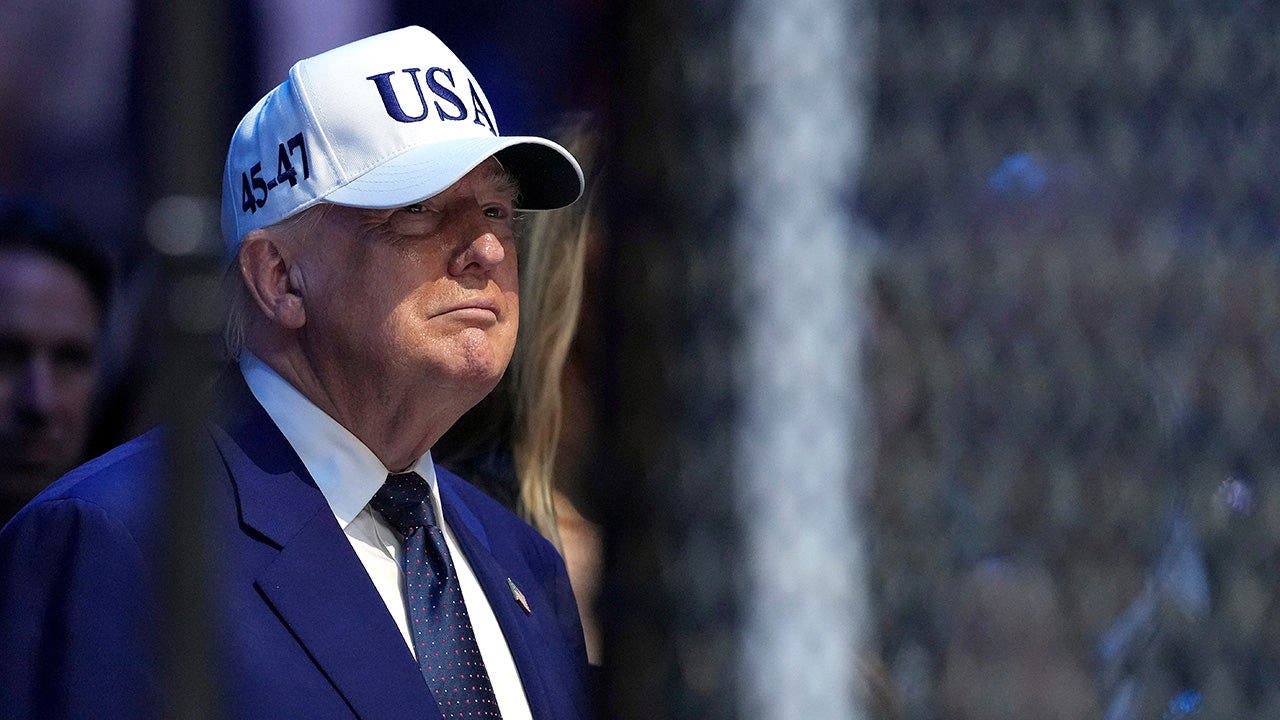
On a warm, star-swept Sunday evening, the historic South Lawn of the White House transcended its traditional role as a manicured stage for diplomatic ceremonies, transforming instead into a high-octane, blood-pumping Roman coliseum. Under the brilliant wash of stadium lighting, the iconic neoclassical columns of the executive mansion served as a dramatic backdrop for an unprecedented spectacle: UFC Freedom 250. Inside a cold, wire-mesh Octagon erected upon the lush presidential grass, fourteen elite mixed martial artists from across the globe gathered to wage physical war, marking a surreal intersection of raw athletic combat and ultimate political theater. The air hummed with a unique summer energy, blending the scent of bruised turf and sweat with the undeniable gravity of American history. Among the estimated 4,300 spectators in attendance were approximately 1,200 active-duty service members, whose presence lent a profound sense of duty and sacrifice to the raucous atmosphere. As twilight dissolved into night, the solemnity of the setting was punctuated by the Marine Band’s stirring rendition of the national anthem, sung with raw, soulful passion by country music star Zac Brown. The patriotic sentiment was pushed to a crescendo by a blinding, thunderous flyover from the Navy’s Blue Angels and the Air Force’s Thunderbirds, their jet engines roaring overhead like a physical manifestation of the country’s military might. It was an evening designed to evoke visceral pride, signaling the spectacular kickoff of the broader America 250 celebrations planned for the nation’s capital, while simultaneously offering an intensely personal milestone for the man at the center of the storm.
At approximately 8:30 p.m. Eastern Time, the double doors of the Oval Office swung open, and President Donald Trump stepped out into the humid night air to celebrate his 80th birthday. Moving with a deliberate, rhythmic stride that mirrored a professional prize-fighter’s walkout, Trump was flanked by his long-time confidant, UFC CEO and President Dana White. The crowd erupted into a wall of sound, a mixture of thunderous applause, chanting, and spontaneous choruses of “Happy Birthday” echoing from the bleachers. This walkout was more than mere showmanship; it was a physical manifestation of a deep, twenty-three-year friendship built on mutual survival, loyalty, and defiance. To understand the gravity of this moment, one must look back to 2001, when mixed martial arts was viewed by mainstream politicians as “human cockfighting” and shunned by major athletic commissions. It was Trump who threw the sport a lifeline, hosting UFC 30 and several subsequent events at his Taj Mahal casino in Atlantic City, New Jersey, when no other venue would dare associate with them. Decades later, with the UFC now a global multibillion-dollar empire and Trump having reached the pinnacle of global political power, their walk side-by-side on the South Lawn was a victory lap of epic proportions. It symbolized an unbreakable bond between two men who pride themselves on being ultimate disruptors of the status quo, proving that loyalty in the volatile worlds of sports and politics is a rare, powerful currency.
For the fourteen fighters who stepped into the cage that night, the event was a deeply humanizing experience that transcended the brutal physics of their sport. Mixed martial arts is fundamentally a lonely endeavor, characterized by months of isolated, grueling training camps, weight cuts, and the constant specter of physical trauma. Yet, fighting on the South Lawn of the White House, in front of their commander-in-chief and hundreds of active-duty soldiers, infused their struggles with a historical magnitude. After surviving their respective trials inside the Octagon, many of the victors did not immediately celebrate with their cornermen; instead, they immediately gravitated toward the edge of the cage, looking to make direct eye contact with the President. Sweat-soaked, bloodied, and running on pure adrenaline, fighters like Bo Nickal, Diego Lopes, and Sean O’Malley jogged ringside to clasp Trump’s hand, offering words of gratitude for his willingness to host them. They spoke of his “courage” to bring such a raw, polarizing sport to the nation’s most sacred executive ground. In these fleeting, intensely human exchanges, the divide between the highest office in the land and the grit of the working-class fighter dissolved, united by a shared appreciation for the sacrifice, resilience, and sheer willpower required to stand victorious under the bright lights.
The athletic peak of the evening arrived during the highly anticipated lightweight clash between the hard-hitting American favorite, interim champion Justin Gaethje, and the previously undefeated, dangerous phenom Ilia Topuria. From the opening horn, the fight was a masterclass in kinetic violence and tactical brilliance, keeping the crowd on the absolute edge of their seats as the two warriors traded devastating leg kicks and blistering punches that echoed across the South Lawn. The spectators, fueled by the patriotic ambiance and the sheer drama of the contest, repeatedly broke out into spontaneous, deafening chants of “U-S-A!” that reverberated off the walls of the executive mansion. Gaethje, known for his relentless pressure and iron chin, systematically dismantled Topuria’s defense, culminating in a dramatic stoppage victory just before the start of the fifth round. The emotional high of the American victory was matched earlier in the evening when France’s Ciryl Gane put on a clinic of precision striking, earning a second-round TKO victory over Brazil’s Alex Pereira to capture the interim UFC heavyweight title. Each fight card result—from Mauricio Ruffy’s explosive first-round knockout of Michael Chandler to Josh Hokit’s gritty TKO over heavyweight veteran Derrick Lewis—added a unique chapter of triumph and heartbreak to the night, painting a vivid picture of the agony and ecstasy inherent in the human pursuit of athletic glory.
Behind the scenes of this historic evening lay a massive, logistically dizzying operation that cost an estimated $60 million to produce. Despite the staggering financial investment required to transform the White House grounds into a fully functioning, broadcast-ready sports arena, the UFC made the unprecedented decision not to seek a profit from the event, viewing it instead as a tribute to the nation, its service members, and a long-time friend of the promotion. This gesture of goodwill did not escape public scrutiny, bringing the complex, often controversial relationship between Dana White and Donald Trump back into the media spotlight. White, however, remained characteristically unapologetic, famously stating in the lead-up to the event that he “didn’t give a s—” if his personal and professional association with Trump cost him business opportunities, reiterating that the entire concept of the 250th event was Trump’s brilliant, ambitious idea. This defiance highlighted the cultural and political ethos of the modern UFC—an organization that has consistently refused to bow to conventional public relations pressures, choosing instead to embrace a rugged individualism that matches Trump’s own political brand. For the administration, the massive undertaking served as a high-visibility platform to kickstart the summer’s patriotic festivities, showcasing an image of American strength, technological capability, and cultural influence to a global audience.
As the final echoes of the raucous crowd faded into the cool night air and the clock ticked past 1:00 a.m., a quiet serenity slowly reclaimed the South Lawn. Trump, preparing to depart the White House for the G7 summit in France on Monday morning, paused to reflect on the unprecedented nature of the evening, briefly telling reporters that the event was “beyond anything that anybody’s ever seen in sports.” In the quiet aftermath, the towering lights cast long shadows across the grass where, just hours before, men had fought with every fiber of their being. For Donald Trump, celebrating his 80th birthday not with a quiet, introspective family dinner, but with the primal energy of a cage fight, the night was a perfect reflection of his tumultuous, larger-than-life journey through American public life. It was an event that defied tradition, challenged conventions, and left an indelible mark on everyone who witnessed it—especially the young service members who stood watch and cheered. Ultimately, UFC Freedom 250 will be remembered not just as a night of world-class athletic competition, but as a unique, deeply human tapestry of friendship, patriotism, and the relentless, enduring pursuit of the American dream against the ultimate backdrop of democracy.