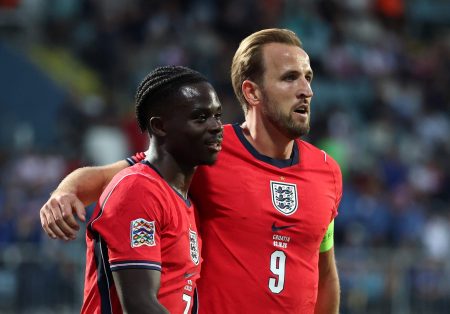





The sudden and magnificent transformation of the North American continent into the absolute, beating heart of the global soccer community during the FIFA World Cup represents far more than just a massive sporting tournament; it signalizes a profound, joyous cultural reunion that has breathed vibrant, kinetic energy into sixteen host cities across the United States, Canada, and Mexico. For weeks on end, the atmosphere across these diverse metropolitan hubs has been nothing short of electric, as an unprecedented influx of passionate international travelers has flooded historic city streets, packed iconic commercial stadiums to their absolute rafters, and ignited bustling fan festivals with an endless, beautiful array of languages, flags, and songs. From the neon-lit corridors of Los Angeles and the historic neighborhoods of Boston to the high-energy streets of Mexico City and Toronto, this grand athletic spectacle has acted as an immense, living canvas where deep-seated stereotypes are quietly dismantled over shared meals, pre-match tailgates, and spontaneous celebrations in crowded public squares. What sits at the ultimate core of this international takeover is a renewed sense of human connection that transcends geopolitical borders, offering countless global citizens their very first taste of authentic, warm, and highly diverse American hospitality. Many of these travelers, arriving with perspectives deeply shaped by distant, often sensationalized news reports and cinematic tropes, have expressed genuine delight and surprise at the warmth, safety, and immense generosity of the local communities greeting them. The true joy of the World Cup is ultimately found not just in the breathtaking goals or the tactical masterclasses executed on the pitch, but in the quiet, humanizing, and unforgettable interactions on the subways of New York, the open plazas of Monterrey, and the sun-lit avenues of Vancouver, proving once again that sports remain our most powerful and enduring vehicle for international diplomacy, empathy, and mutual understanding.
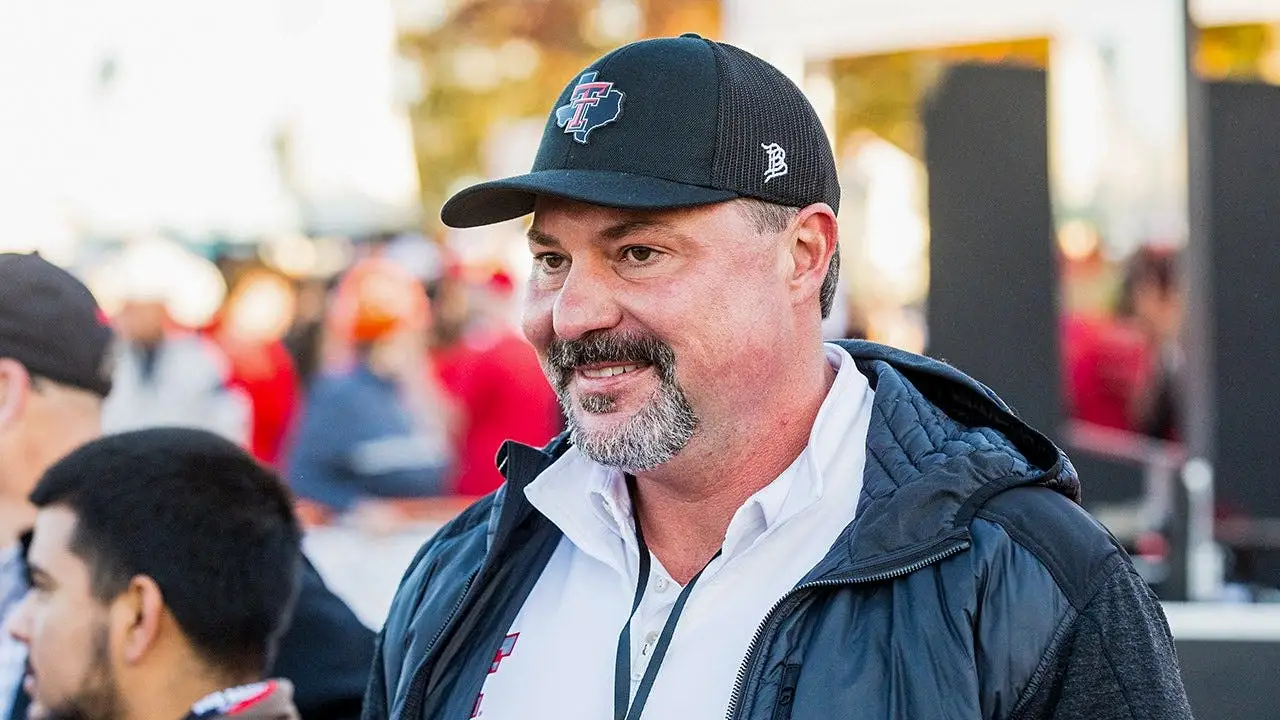
Capturing this exact sentiment, former Texas Tech standout and Indianapolis Colts offensive lineman Cody Campbell recently brought his unique perspective to Fox News Channel’s popular program, “The Will Cain Show,” offering a grounded, deeply patriotic, and refreshingly human take on how this monumental tournament is actively reshaping global perceptions of America. Having successfully transitioned from the grueling, highly physical battles of elite collegiate and professional gridiron football to the highly sophisticated, high-stakes realms of business and public policy, Campbell possesses a rare, multifaceted vantage point on how athletic spectacles influence national culture and global reputation. Speaking with casual warmth and a keen sense of observation, he highlighted the overwhelming wave of positive, spontaneous feedback spreading across global social media platforms, where international visitors are openly marveling at the kindness, civic friendliness, and genuine charm of the American people they encounter daily. He noted with a touch of irony and sadness that the United States is rarely portrayed in a favorable light by international media outlets, which frequently paint the country through a narrow, cynical lens of division, conflict, or systemic decay. For Campbell, who also uses his deep expertise to advise President Donald Trump on complex college sports issues, the World Cup serves as a brilliant, unscripted corrective to this negative narrative—a nationwide open house that allows real, everyday people to interact with real Americans on comfortable, joyous, and everyday terms. By opening our doors, showcasing our state-of-the-art infrastructure, and extending a hand of friendship to strangers from every corner of the planet, we are participating in a quiet but remarkably powerful form of grassroots diplomacy that no expensive advertising campaign or official political summit could ever hope to replicate.
Yet, even as we celebrate the triumphs of global sportsmanship on our soil, Campbell’s focus remains equally fixed on a more domestic crisis: the preservation, stabilization, and survival of America’s own beloved, time-honored institution of college athletics. As a trusted advisor on collegiate sports issues, Campbell is intimately acquainted with the unprecedented storm of instability that has swept through universities nationwide, turning cherished Saturday afternoon traditions into a chaotic and hyper-commercialized arena. Over the last decade, the collegiate sports landscape has changed at a dizzying, almost violent pace, driven by the abrupt introduction of Name, Image, and Likeness (NIL) deals, a completely unfettered transfer portal system, and the sudden, heartbreaking dissolution of historic regional conferences that once defined community identity and intercollegiate rivalries. For millions of devoted fans, student-athletes, and university administrators, the current state of affairs feels less like a fair playground and more like a lawless Wild West, where the sheer volume of unregulated money threathens to drown out the educational and personal developmental goals of amateur sports. Young men and women who lace up their cleats are caught in a turbulent, exhausting system that treats them simultaneously as amateur student-scholars and professional commodities, leaving them with very little stability, structure, or long-term guidance as they navigate some of the most critical and formative years of their young lives under the glaring, critical spotlight of national media.
In response to this growing sense of institutional disorder and existential dread, a remarkable and rare display of bipartisan cooperation has emerged from the halls of Congress in the form of the Protect College Sports Act. Spearheaded by Texas Republican Senator Ted Cruz and Washington Democratic Senator Maria Cantwell, this landmark legislation represents the first truly viable college sports bill to successfully navigate its way out of a congressional committee, signaling a desperate and perhaps final opportunity to restore sanity, structure, and fairness to the system. At its core, the bill seeks to address the structural cracks in college athletics by granting the National Collegiate Athletic Association (NCAA) a limited antitrust exemption, a crucial legal tool that would finally empower the governing body to enforce rules, regulate athlete compensation, and establish clear, logical boundaries. Humanizing this legislative dry text reveals a profound, empathetic attempt to protect vulnerable young athletes from predatory agents, stabilize their academic journeys by placing sensible limits on transfers, and ensure that earning an actual degree remains a tangible reality rather than an afterthought. By finding a thoughtful, sustainable middle ground between the rights of players to benefit from their personal brands and the necessity of maintaining a balanced competitive field, the act attempts to anchor a wildly drifting ship back to its foundational port of education, sportsmanship, and fair play on and off the field of competition.
Beyond the immediate, urgent focus on rules and eligibility, the far-reaching implications of the Protect College Sports Act stretch deep into the financial and organizational architecture of collegiate programming, suggesting an entirely new model for how sports media rights are managed and distributed. Currently, athletic departments are caught in a brutal, hyper-competitive struggle, negotiating massive, conference-specific television deals that have driven a deep wedge between wealthy powerhouse athletic programs and financially strained mid-major schools. The Cruz-Cantwell proposal could pave the way for institutions to consolidate their media rights under a single, unified national entity, a massive structural shift that would move away from the current, cutthroat conference-by-conference framework that prioritizes greed over tradition. This consolidation threatens to revolutionize both the viewer experience and the fiscal health of academic institutions by creating a more equitable distribution of revenues, ensuring that Olympic sports, women’s programs, and smaller division athletic departments can survive in an increasingly commercialized market. Such a reform would not only preserve the diverse, multi-colored fabric of American collegiate sports but would also allow everyday, hardworking fans to easily engage with their favorite teams without navigating an exhausting, expensive labyrinth of subscription streaming services and shifting broadcast schedules, thereby keeping the grand tradition of college sports accessible to all.
Ultimately, both the magnificent global celebration of the World Cup on our shores and the urgent legislative battles to rescue college sports reflect a singular, powerful truth: athletic competition is a profound reflection of our human values, our communities, and our shared culture. Whether we are welcoming thousands of foreign visitors with warm hearts and open arms in our hometowns or fighting tirelessly to preserve the integrity of a local university football rivalry, we are actively participating in the defense of a sacred space where people can find common ground. The optimistic message that passionate champions like Cody Campbell bring to the table reminds us that sports possess an almost magical ability to cut through the noise of modern sociopolitical division, bringing out the absolute best in our humanity. As North America shines brightly under the international spotlight of the soccer world, and as our lawmakers work hand-in-hand to build a sustainable, fair, and honorable future for the young athletes of tomorrow, we are witnessing a powerful reaffirmation of our collective identity. By honoring the rules of the game, respecting the visitors within our gates, and committing ourselves to the preservation of fair, honest competition, we ensure that the transformative power of sports will continue to inspire, unite, and elevate us for generations to come.