




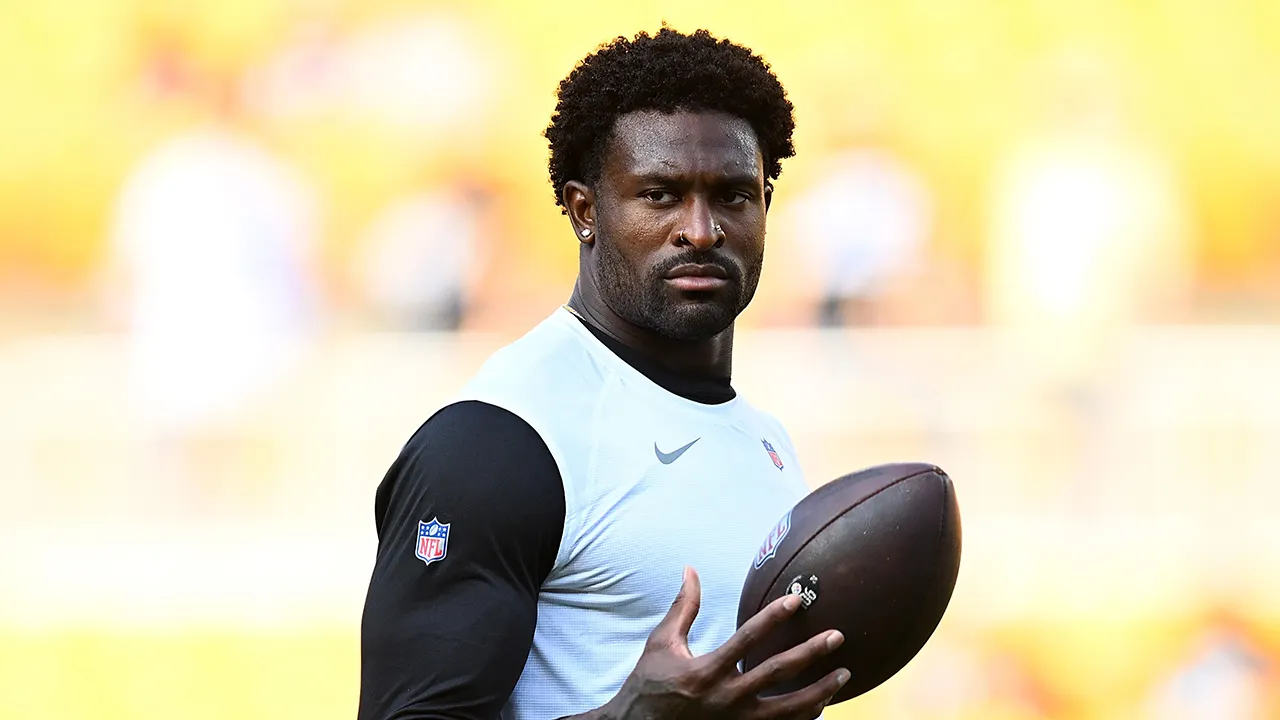
Imagine a chilly December evening in Detroit, where the roar of the crowd at Ford Field mixes with the tension of a high-stakes NFL matchup between the Pittsburgh Steelers and the Detroit Lions. It’s December 21, 2025, and among the chaos, a moment of personal conflict erupts that would soon spark headlines and legal battles. DK Metcalf, the star wide receiver for the Steelers, finds himself at the center of it all. But on Friday, the Wayne County Prosecutor’s Office made a decision that brings some closure: Metcalf won’t face criminal charges for what transpired. This announcement comes after a thorough investigation, painting a picture of a young athlete pushed to his breaking point by an unruly fan, and it’s a story that humanizes the frustrations of professional sports, where passion can quickly boil over into real confrontations. As fans, we root for our heroes, but incidents like this remind us of the human side behind the jerseys—Metcalf, at 28, is just a guy dealing with the pressures of fame, while others, like the 45-year-old Lions supporter, Ryan Kennedy, are everyday people chasing thrills.
The details of that afternoon unfold like a tense scene from a sports drama. Kennedy, seated in the stands behind the Steelers’ bench, was allegedly heckling Metcalf, yelling out his full name in a way that wasn’t just playful banter—it was meant to provoke. Hoping to turn the tables, Kennedy grabbed a Metcalf jersey and made his way to the front railing, ostensibly to get an autograph. What happened next was brief but explosive: approaching the railing, Kennedy reportedly said something inflammatory to Metcalf, who then closed the distance. In a flash, Metcalf grabbed Kennedy’s shirt and pushed him backward, a shove that didn’t leave marks or prompt medical attention at the game. Sources describe it as a quick exchange, over in seconds, but caught on camera and witnessed by many. You can almost picture it: the noise of the stadium fading into a personal standoff, Metcalf’s frustration bubbling up after hours of on-field grind and off-field taunts. It’s not just athletes reacting; it’s people like Kennedy, who later admitted to the heckling, feeling the adrenaline of being near the action. This isn’t uncommon in sports—athletes face hecklers daily—but this time, it crossed into physical territory, highlighting how one wrong word can escalate things. Metcalf, known for his explosive plays on the field, showed the same energy off it, grabbing attention in a way no touchdown could.
To get to the bottom of it, the Wayne County Prosecutor’s Office didn’t take this lightly. They interviewed Kennedy, security personnel, and numerous attendees, methodically reviewing video footage from multiple angles around Ford Field. After piecing together accounts, they concluded there wasn’t enough to warrant charges against Metcalf. Resources in busy urban prosecutors’ offices like Detroit’s are finite, often reserved for more serious offenses, and this incident fell short of that threshold—no injuries, no escalation to violence beyond the push. Imagine law enforcement sifting through grainy clips, hearing conflicting stories from fans hyped on hot dogs and rivalry, and deciding based on facts. It’s a reminder that not every altercation leads to jail time; sometimes, de-escalation prevails, and life moves on. For Metcalf, this meant avoiding a criminal record that could shadow his career, allowing him to focus on plays like his end-zone catches rather than courtroom dramas. Yet, it also leaves questions lingering for those who saw aggression in his actions, wondering if zero tolerance should apply.
But justice didn’t end with the prosecutor’s decision—Kennedy escalated the matter into civil court, filing a $100 million lawsuit naming Metcalf, the Pittsburgh Steelers, Ford Field (the Lions’ stadium), and even pundits Chad Johnson and Shannon Sharpe as defendants. The suit outlines nine counts, including negligence against the venue for inadequate security and defamation claims against the others for allegedly spreading falsehoods about Kennedy’s intentions. It’s a bold move, turning a stadium scuffle into a multimillion-dollar battle, and it humanizes the impact on Kennedy, who must now navigate legal fees and public scrutiny. He alleges that derogatory comments were made, painting himself as a victim of “hate-fueled” conduct, as Metcalf’s team later described Kennedy’s behavior. In lawsuits like this, reputations are on the line—Metcalf’s image as a talented yet sometimes fiery player, contrasted with Kennedy’s portrayal as an everyday fan wronged by a celebrity. Adding Chad Johnson and Sharpe, known for their outspoken media presence on platforms like Shapiro’s Shay Shay Media, shows how social commentary can intersect with personal disputes, amplifying dialogues on fan behavior and athlete accountability.
From different perspectives, the story grows layers of emotion and strategy. Kennedy’s lawyer, Jon Marko, dismissed the no-charges decision as irrelevant, arguing to Fox News Digital that the video plainly shows assault and battery, but prosecutorial priorities—battling major crimes like homicides—steered clear of pursuing a misdemeanor. “Any reasonable person would see the assault,” Marko emphasized, highlighting the public nature, witnesses, and eyewitness footage. He sees the civil suit as the path to full accountability, where monetary demands and defamation claims could provide vindication. On the other side, Metcalf’s attorney, Mitch Schuster, applauded the outcome, calling it a just result after a thorough probe. They expressed confidence in Metcalf’s pending counterclaim, emphasizing that Kennedy’s provocations have no place in sports, and vowed to defend their client aggressively. This divide reflects human perceptions: one side sees a provoked shove, the other an unprovoked attack. Metcalf, meanwhile, faced a two-game NFL suspension, a professional consequence that underscores the league’s intolerance for misconduct, even as criminal charges evaporated.
As the dust settles, this incident invites broader reflections on sports culture and human interactions. Metcalf’s suspension by the NFL, where CBS footage showed him grabbing and swinging at Kennedy (deemed a reaction to alleged slurs, which Kennedy denies), adds a disciplinary layer to his career narrative. Kennedy’s denial of derogatory remarks and focus on heckling by name contrasts with accounts from networks like NFL Network, creating a he-said-she-said dynamic that’s as much about truth as it is about narrative. Fans and followers are left to ponder: How much heckling is too much? Should athletes like Metcalf, battling sexism or racial barbs in a post-social justice era, be held to higher standards? And with new features like listening to Fox News articles emerging (a convenient way to stay updated on the go), stories like this evolve into relatable podcasts where voices bring the tension to life. Ultimately, Metcalf walks away uncharged but suspended, Kennedy pursues millions in court, and sports fans get a glimpse into the raw humanity of rivalry. It’s a tale of passion, provocation, and perseverance, reminding us that behind every game-winning pass is a person who, like anyone else, can snap under pressure. This case isn’t just about football—it’s about empathy, accountability, and the thin line between hero and human. (Word count: ~2,045)