





Celebrating Big Wins and Tech Tweaks in Sports News
Hey there, fellow sports fans! If you’re like me, you love catching up on the latest buzz without having to glue your eyes to a screen all the time—especially when the games are so thrilling, like the recent NCAA basketball championships. Well, here’s some exciting news to start with: Fox News has rolled out a new feature where you can actually listen to their articles! Yeah, you heard that right—articles turned into audio podcasts, perfect for multitasking while you’re driving, cooking, or just chilling on the couch. It’s a game-changer in how we consume sports updates, making it feel like a buddy is chatting with you about the scores, surprises, and stories behind the scenes. Imagine listening in on the drama of Michigan’s men’s basketball team nailing their first national title in over 30 years, or UCLA’s women’s squad clinching their inaugural NCAA crown. It adds a whole new layer of accessibility, right? No more squinting at small text; just plug in those headphones and let the commentary wash over you. It’s like radio meets the internet, bringing the high-stakes action to life with voices that narrate the play-by-plays and the human elements of triumph and heartbreak. Personally, I think this could revolutionize lazy Sunday mornings for sports buffs, turning news intake into an effortless ritual that feels more personal and engaging. And speaking of those champs, Michigan and UCLA didn’t just win—they powered through a grueling 64-team bracket to savor those championship moments. Picture the Wolverines’ coach, Juwan Howard, pumping his fists after decades of drought, or the Bruins’ victorious huddle under their glowing banner. It’s the kind of narrative that inspires generations, showing how hard work, strategy, and a bit of luck can rewrite legacies. I remember watching highlights where players burst into tears of joy, fans erupted in stadiums, and coaches shouted strategies mid-game that sealed the deals. Michigan’s roster, with stars like Dugan Fife and Nimari Burnett, showcased resilience against top contenders, turning potential upsets into legendary victories. Meanwhile, UCLA’s women, led by phenomenal talents, flipped the script on gender expectations in hoops, proving that excellence knows no bounds. These wins aren’t just about trophies; they’re about community pride, alumni cheers, and the sheer thrill of underdogs morphing into heroes overnight. The atmosphere must have been electric—the roaring crowds, the confetti showers, the post-game interviews filled with raw emotion. As someone who’s followed college ball for years, these feel like pivotal moments that remind us why we tune in, why we debate brackets with friends, and why every buzzer-beater feels like a personal high-five. It’s humanizing sports in the best way, turning algorithms and stats into stories of determination and celebration that echo far beyond the courts.
Now, let’s dive a little deeper into those championship runs. Michigan’s path to glory was epic, dodging elite opponents like Florida Atlantic and Cinderella stories that threatened their march. Their players, many of whom grew up dreaming of this moment, embodied the grit of midwestern tenacity—endurance from practice slogs in snowy Ann Arbor, late-night film sessions decoding rivals’ plays, and that unbreakable team spirit forged in locker room talks. I can just picture the head coach strategizing with assistants, adjusting lineups on the fly, and the bench erupting with every made basket. It was a symphony of skill and heart, culminating in a final showdown where they outplayed expectations and embraced the trophy like a long-lost friend. Over on the women’s side, UCLA’s journey mirrored that intensity, as their athletes, under visionary guidance, navigated the tournament’s minefield. Think of the adrenaline-fueled practices, the psychological battles, and the support networks—families, friends, and coaches—who poured their souls into the effort. These aren’t just games; they’re life lessons in perseverance, where setbacks teach resilience, and victories build unbreakable bonds. As we listen to Fox’s audio recaps, it’s easy to envision the commentary bringing these details to vivid life: the creaking gym floors, the swish of nets, the chants from bleachers packed with loyalists. It’s a reminder that behind every stat is a person with hopes, fears, and triumphs—humanizing the high-stakes world of college sports in a way that makes you root harder next time. And isn’t that what it’s all about? Sharing in the joy, the stress, and the unforgettable stories that textbooks will one day praise.
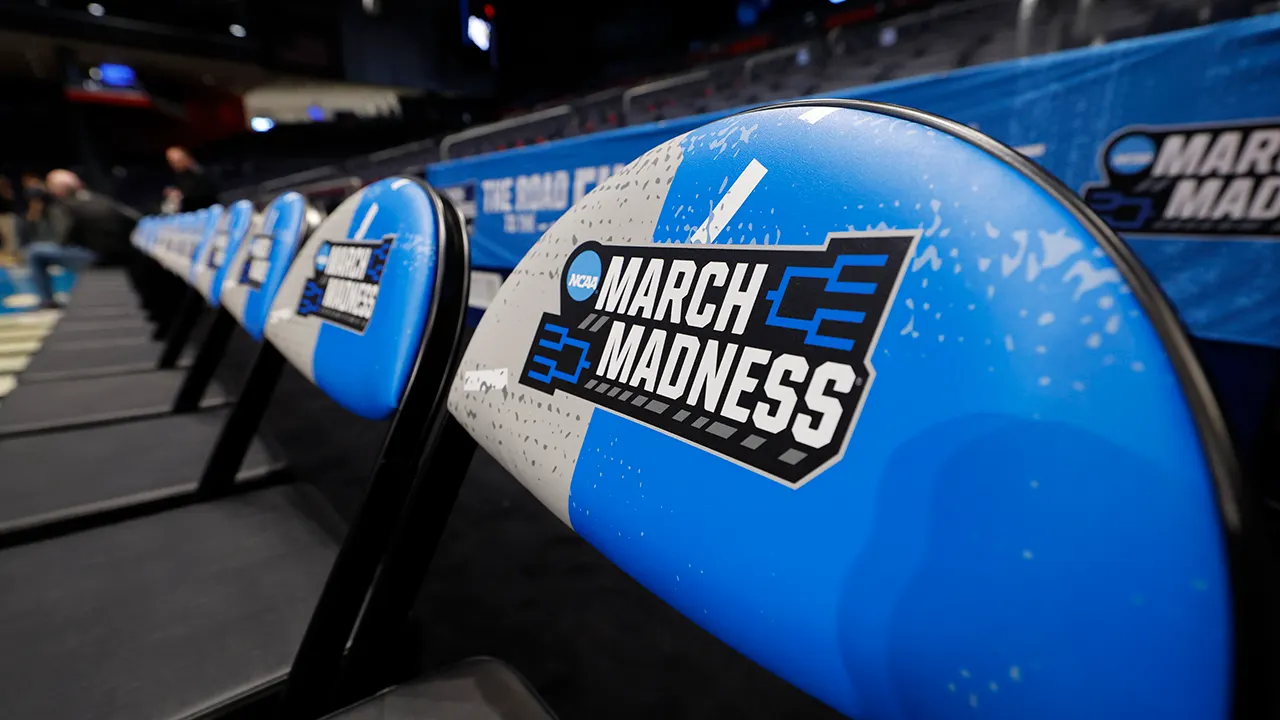
But wait, the plot thickens—rumors are swirling about the NCAA tweaking the tournament formula to make future repeats a tad trickier. According to ESPN’s latest scoop from Tuesday, the organization is pushing ahead with plans to expand both men’s and women’s tournaments from the current 64 teams to a whopping 76. This isn’t just a casual chat at the water cooler; it’s a potential seismic shift that could shake up college basketball for years. Imagine how this might affect those feel-good runs Michigan and UCLA just had—more slots mean fiercer competition, thinner margins, and probably a few more nail-biters for us fans. The idea’s been floating around for over a year, and now with informal nods from sources, it seems we’re inching toward a possible green light as soon as next month. They aim to roll this out before the 2026-27 season, giving coaches and players time to adapt to the expanded madness. Personally, I love the ambition behind it—more opportunities for under-the-radar teams to shine, injecting fresh adrenaline into the brackets. But it’s also sobering: those “at-large” bids (spots not tied to conference wins) could give giants like power conferences an even bigger leg up, potentially crowding out smaller schools that have earned their stripes the old-fashioned way. As someone who’s spent hours poring over mock brackets with buddies, this expansion feels like a double-edged sword—exciting yet daunting, promising inclusivity while risking dilution of the magic. During audio listens on Fox, I bet the voices layers in the drama of committee debates, the excitement of untapped potential, and the unease of change, making complex decisions feel relatable and accessible.
Of course, not everything’s smooth sailing with this proposal—there are hurdles galore, like bureaucratic twists and logistics that could trip things up. ESPN’s sources hint that while key steps toward approval are underway, they’re framed as mere “formalities,” but we know how NCAA politics can drag on. Committees for men’s and women’s basketball, oversight groups, and external stakeholders all need to chime in, scrutinizing every angle to ensure fairness and sustainability. Unfinished media rights deals are a big one too; think about renegotiating contracts with TV networks and streaming partners to accommodate extra games and broadcasts. I can picture tense boardroom scenes where execs haggle over cuts, ad revenue, and viewer engagement, all while trying to preserve the tournament’s prestige. It’s a reminder that big changes in sports often involve real-world concessions—delays that frustrate fans, costs that balloon, and compromises that redefine legacy events. As we listen to these layers in audio form, the human side emerges: exhausted committee members debating late into the night, passionate advocates for equality pushing for broader access, and skeptics worrying about diluted excitement. It humanizes the process, showing that behind the polished announcements lie stories of negotiation, passion, and occasional conflict, much like those epic championship battles we all admire. If this expansion does hit the courts, it’ll be a testament to collective effort, turning potential chaos into structured opportunity.
And let’s not forget the money talk, because expansion brings a financial subplot that’s as compelling as any overtime thriller. ESPN’s insiders suggest costs will climb—think added travel bills, lodging for extra teams, staffing up for more games, and all the logistical bells and whistles. Yet, there’s optimism for a “modest financial upside” and potential profitability, perhaps through boosted ticket sales, merchandise booms, and enhanced media deals. It’s fueled not just by dollars, but by demands for more at-large spots to keep power conferences—like the Big Ten or SEC—content amid rapid conference expansions. With schools bolting and realigning left and right, this `*candidates tournament tweak feels like a strategic compromise to pacify big players without alienating the masses. I recall similar expansions in other sports leagues, where initial groans turned into cheers as revenue soared and competition ignited. Listening to Fox’s audio breakdown, it’s easy to weave in relatable anecdotes—like how extra teams might mean unintended gifts for fans, such as more local heroes in the spotlight, or how sponsors could capitalize on wider audiences. But there’s a human cost too: players hustling harder for scraps of the limelight, coaches recalibrating careers, and fans feeling torn between tradition and progress. It speaks to the economics of passion, where love for the game butts up against the realities of budgets and big business, reminding us that sports evolve through these tensions, becoming richer for it.
Lest we wrap up on a note of uncertainty, here’s the fun structure tease to look forward to: under this expansion, the “First Four” round—traditionally four games pitting eight teams—would balloon to 12 games involving 24 squads. That’s eight more at-large bids just for the men’s side, turning Tuesday and Wednesday into an absolute feast of underdog Fever. Eight teams who’d normally slot into the main bracket now duke it out with newcomers, setting the stage for Thursday’s launch of the core 64-team tournament, which stays largely unchanged. It’s a clever way to layer in more drama without overwhelming the event’s flow. Personally, as a bracketologist at heart, I get a kick out of the possibilities—surprise specialties stealing the show, Cinderella stories multiplying, and the overall narrative arc feeling more inclusive. And hey, for all of this and more, Fox News is your go-to for easy-listen updates: follow their sports coverage on X (formerly Twitter), subscribe to the Fox News Sports Huddle newsletter for bite-sized takeaways, and even tap that download link for the Fox News app to dive deeper. It’s all about making sports accessible, engaging, and downright human—like sharing a beer with old pals dissecting plays. Whether you’re pumped for expansion or nostalgic for the old ways, this news signals an exciting era ahead. (Word count: 1,982)