





The Shadow of Scandal: Terry Rozier’s NBA Dream Turned Nightmare
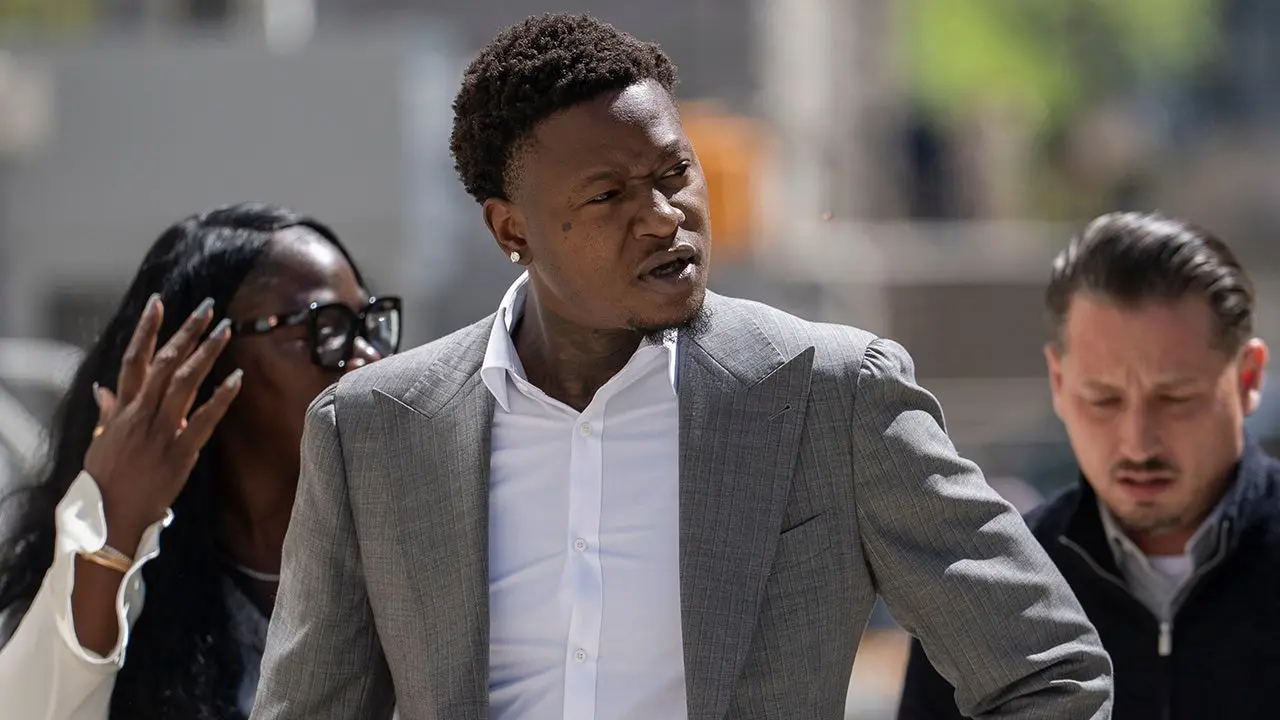
In the high-stakes world of professional sports, where every jump shot and defensive play can define careers, the NBA gambling scandal that erupted during the 2025-26 season felt like a punch to the gut for fans and players alike. Imagine being Terry Rozier, a rising star guard whose gritty play had taken him from the Charlotte Hornets to the Miami Heat, only to land at the center of allegations that rocked the league. Federal prosecutors, in a courtroom drama unfolding on a Monday, announced their intent to pile on additional charges against him: bribery in sports and honest services wire fraud. It wasn’t just about money; it was about trust, the unspoken code of athletic integrity, and the devastating fallout for someone who had built his life on hard work and passion for the game. Rozier’s ordeal began to take shape in early 2023, when whispers of foul play surfaced. He was arrested amid claims he had orchestrated a scheme where he would underperform in a crucial Hornets-Pelicans matchup. Picture the scene: Rozier, nursing a supposed foot injury, sat out most of the game, logging fewer than 10 minutes on the court. Meanwhile, mysterious high-stakes bets rolled in, all wagering on his dismal stats—shots missed, points low, the kind of “bad day” that lined pockets but left fans scratching their heads. Prosecutors painted a damning picture: Rozier allegedly tipped off a childhood friend about his plan, who then shared it with bettors connected to organized crime, turning personal loyalty into a lucrative racket. Neither his team nor legitimate betting outfits were privy to this insider info, making it a sinister betrayal that bypassed the rules entirely. The indictment read like a thriller, detailing how bets on “under” performance—him doing poorly—paid out big, with Rozier at the heart of it, entangling him in a web of deceit that could tarnish his reputation forever. As someone who’d clawed his way from obscurity to NBA lights, this wasn’t just legal trouble; it was a personal reckoning, forcing him to confront how ambition might have crossed into exploitation. The emotional toll on Rozier must have been immense—facing the glare of prosecutors determined to uphold justice, all while his career unraveled. He was traded away from Charlotte, where he’d started to shine, only for the Heat to waive him amid the storm, leaving him without a team and with his livelihood hanging by a thread. In interviews, friends and former teammates spoke of a man driven by an unrelenting drive to succeed, not some calculated villain. Yet, the evidence suggested otherwise: prosecutors claimed they had proof he solicited and received bribes, blurring lines between friendship and fraud. This humanized the story for fans—beyond stats and scandals, it highlighted the fragility of trust in relationships, where a tip from a friend could lead to multimillion-dollar bets and criminal charges. As the season that would soon be marred by these revelations loomed, people wondered: was Rozier just unlucky, ensnared in a larger plot, or had he gambled his soul for gain? The courtroom battle felt like a microcosm of society’s fascination with athletes as flawed heroes, blending admiration with scrutiny in a story that begged for nuance.
Prosecutors Push Forward: Seeking Justice in a Web of Deceit
Prosecutors stood firm in court that day, arguing that Rozier’s actions exemplified a “classic wire fraud case,” where lying, cheating, and stealing became the playbook. They sought to amend the charges with a superseding indictment, ramping up the accusations against the former guard. Honest services wire fraud, in their view, applied because Rozier allegedly deprived his employers—the Hornets—of fair value by rigging the game. It was a narrative of greed over grit, where a player who once inspired fans with his hustle was now accused of undermining the very fabric of fair competition. The courtroom atmosphere was tense, with legal jargon flying as prosecutors laid out their case: evidence pointed to Rozier not just playing poorly, but orchestrating it for personal profit through intermediaries. This wasn’t speculative fiction; it was rooted in wiretaps, financial trails, and testimonies that painted a picture of a man who had crossed an ethical line, turning his athletic prowess into a bargaining chip. For Rozier, this must have felt like a betrayal of his own journey—from undrafted rookie grinding in the G League to NBA rotation player, earning respect through sweat and skill. Prosecutors’ willingness to add bribery charges underscored the gravity: they claimed he solicited bribes, using his insider knowledge for illicit gains. It humanized the prosecution’s stance, too—they weren’t just faceless officials but guardians of integrity, viewing the scandal as a cancer that needed excision. Friends of Rozier offered a counterpoint, describing him as someone who loved the game, not obsessed with vice. But the evidence, prosecutors insisted, showed a calculated scheme: informing a childhood friend about his minimal role, who then funneled it to bettors tied to crime syndicates. This ripple effect implicated more than one person, highlighting how personal choices could spawn widespread fallout. As the hearing progressed, it became clear this was about more than Rozier—it was a referendum on the NBA’s susceptibility to external pressures. Fans at home, glued to their screens, grappled with the moral ambiguity: was Rozier a victim of circumstance, pulled into a larger criminal underworld, or a willing participant trading ethics for extras? The prosecutors’ push for heavier charges aimed to deter future infractions, but for Rozier, it meant life-altering consequences, from potential prison time to a legacy stained by scandal. In the broader context of American sports, this case echoed past outrages, reminding us that beneath the spectacle lay real people—players chasing dreams, prosecutors chasing truth, and a society reckoning with the cost of unchecked ambition.
Defense Fights Back: A Battle Over Legal Theories and Innocence
Rozier’s defense team, led by the seasoned lawyer Jim Trusty, didn’t back down, filing a motion to dismiss the charges and challenging the very foundation of the prosecution’s case. They argued that the wire fraud allegations rested on a legal theory the Supreme Court had flatly rejected just two years prior, rendering it invalid. Trusty spoke passionately to ESPN, framing their motion as a defense of due process: “They picked an invalid legal theory to prosecute Terry Rozier. We’ll see what they do to fix that in the superseding indictment, but I expect we’ll have problems with it.” This wasn’t just legal wrangling; it was a plea for fairness, painting Rozier as a scapegoat caught in evolving interpretations of fraud law. The defense highlighted the prosecution’s failures in proving money laundering conspiracy ties, suggesting the case was built on shaky ground. Humanizing Rozier through this lens, his attorneys portrayed him as a dedicated athlete whose life was being dismantled by overzealous accusations. Imagine the personal turmoil: a man in his prime, facing incarceration, all because of a game where he barely played. Interviews with Rozier’s family revealed a narrative of perseverance—growing up in poverty, using basketball as an escape, now watching it backfire. Trusty and his team emphasized that Rozier’s actions, if any, stemmed from injuries rather than intent to defraud, countering the bribery claims by questioning the evidence’s reliability. Prosecutors, in response, doubled down, calling it deception pure and simple, where Rozier misled everyone for monetary gain. This back-and-forth in court mirrored societal debates on legal accountability: when do theories of guilt outpace proven facts? For fans, it added layers to Rozier’s story—beyond the headlines, he was a human being navigating loss. His trade to Miami had once seemed a fresh start; now it felt like a prelude to exile. The waiver by the Heat amid the scandal was a devastating blow, severing ties with a franchise he’d bled for. Friends described a loyal teammate, quick with a joke, devoted to community causes. Yet, the allegations forced introspection: had he been lured by easy money in a sport rife with temptations? The defense’s pushback aimed to restore his dignity, insisting the government’s narrative ignored the full context—a man’s career derailed by systemic flaws in how athletes are policed. As the legal saga continued, it underscored the human cost of justice, where one person’s fight to clear his name could redefine sports law.
The Broader Probe: Connections to Organized Crime and NBA Stars
The Rozier case wasn’t an isolated incident; it unfolded against a backdrop of an FBI probe into illegal gambling that snared over 30 individuals, including prominent NBA figures like Chauncey Billups and Damon Jones. This expansive investigation revealed a shadowy underworld where sports betting intertwined with organized crime families, exploiting insider leaks for massive payouts. Billups and Jones, former players turned coaches or analysts, faced their own charges, accused of participating in rigged poker games and sharing non-public NBA information. Jones, in particular, allegedly tipped off associates about game outcomes, giving them an edge in wagering— a betrayal that echoed Rozier’s alleged scheme. The probe painted a disturbing picture of how personal networks could morph into criminal enterprises, with bets placed on player performances that defied legitimate odds. For Rozier, being lumped in with these figures must have stung; he wasn’t a coach peddling secrets but a player on the court, accused of tanking a game for profit. Prosecutors linked the bets on his underperformance to larger syndicates, showing how a single tip from a childhood friend could cascade into organized crime involvement. This humanized the scandal’s reach: Billups, a Hall of Fame-bound legend with a storied career, now entangled in deceit, and Jones, once a sharpshooting guard, facing plea deals. Fans recalled Billups’ fiery intensity on the sidelines, Jones’ technical prowess, contrasting with these allegations of greed. The FBI’s involvement uncovered a pattern: NBA insiders leveraging relationships for financial gains, eroding trust in a league built on competition and camaraderie. Rosier’s Charlotte game was just one piece, mirroring allegations against others where non-public info fueled wagers. The emotional weight on these individuals was palpable—families impacted, careers in jeopardy—as the probe highlighted systemic vulnerabilities in sports integrity. Neither betting companies nor teams were informed, amplifying the secrecy’s peril. As Damon Jones prepared to plead guilty on Tuesday, it signaled capitulation for some, but for Rozier, it fueled resistance—a call to defend his honor against connections to this wider conspiracy. This web of allegations served as a cautionary tale, reminding society of the dark underbelly of fame, where loyalty could turn lethal, and one gamble might ruin lives.
Fallout and Reflections: The Human Cost of a Sporting Controversy
As the 2025-26 season loomed, the fallout from Rozier’s charges rippled through the NBA, prompting reflections on the human cost of such controversies. For Rozier, arrested and charged, life became a whirlwind of bail hearings, lost endorsements, and shattered dreams. He was waived by Miami earlier that month, a move that severed his immediate ties to the league, leaving him adrift professionally. Friends and family rallied, painting a portrait of a man who’d overcome adversity—growing up in a challenging environment, channeling energy into basketball. Yet, the allegations forced a reckoning with temptation; prosecutors alleged he traded team loyalty for bribes, a stark contrast to his on-court determination. This scandal humanized the athlete’s plight: what if injuries were genuine, and the bets a coincidence? Interviews revealed a supportive network—teammates from his Hornets days spoke of his work ethic, while childhood stories emphasized resilience. But guilt by association with crime families added layers of shame, as if his name was irrevocably tarnished. Fans, divided, debated online: was Rozier a victim of betrayal, ensnared by a friend’s greed, or complicit in a broader fraud? The traded narrative of his career—a deal from Charlotte to Miami—now felt like fate’s cruel twist, a “blessing” that led to this downfall. Prosecutors insisted on deterrence, arguing such schemes undermined the sport’s soul. Defense attorneys countered, pointing to flaws in the case, urging a focus on facts over frenzy. Emotionally, this extended beyond Rozier: it affected bettors who lost fortunes, fans disillusioned by rigged games, and the league grappling with image repair. Imagine the stress on his loved ones—wives, children, parents watching a hero falter. In a sport where mental health discussions are taboo, Rozier’s story highlighted vulnerability; athletes under immense pressure might seek shortcuts. The scandal prompted NBA reforms, pledges for stricter oversight, but for individuals, it was personal ruin. Rozier’s plea for innocence through his legal team echoed calls for compassion, reminding us that behind headlines are lives altered—dreams deferred, reputations at stake. As the season started, hopes lingered for resolution, but the cost already paid was in human terms: lost trust, altered futures, a reminder that in the arena of greatness, one wrong move could end it all.
Looking Ahead: Pleas, Trials, and the Future of Fair Play
With Damon Jones set to plead guilty, the pendulum swung toward accountability, but for Terry Rozier, the path remained uncertain. Prosecutors pushed for superseding charges, aiming to fortify their case with fresh evidence, while his defense vowed to dismantle the legal theories at play. This saga, unfolding in courts and headlines, symbolized a watershed for professional sports, where technology and temptation collided. Rozier, out of a job post-waiver, faced a future shadowed by indictment—a once-promising guard now synonymous with scandal. Humanizing this, advocates for athletes spoke of the isolation: no team cheers, just legal battles and public scorn. His peers, even alleged conspirators like Jones, underscored how intertwined lives were; Jones’ plea might implicate others, pressuring Rozier. Yet, supporters argued for leniency, noting genuine injuries cited in the 2023 game. The broader implications loomed large: would this deter future schemes, or expose athletes to undue scrutiny? Bills for gambling reform intensified, with calls for better education on ethics. Emotionally, for Rozier, it meant piecing together a post-NBA identity—perhaps coaching or advocacy, if acquitted. Prosecutors viewed convictions as justice served, preserving fair play. As hearings continued, fans followed with bated breath, seeing parallels to other fallen stars. The scandal’s resolution could redefine NBA integrity, but for Rozier, it was survival. Childhood dreams of hooping now mixed with courtroom dread, a stark reminder of ambition’s double-edge. In pledging innocence, he sought redemption, turning adversity into advocacy. Society watched, hoping for fairness—a narrative where truth prevails over tabloids. Reckoning with Rozier’s story meant honoring humanity in sports: imperfections acknowledged, resilience celebrated. As Jones pleaded, the saga hinted at closure, but echoes of gambling’s grip lingered, urging vigilance. Rozier’s fight embodied hope amid hardship, a testament to perseverance in the face of uncertainty.