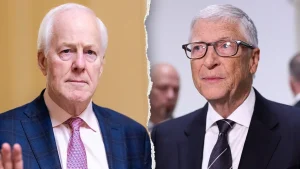






In a world where sports have historically served as a common language, bridging cultural divides and offering diverse communities a shared sense of joy, the modern reality of media consumption has slowly erected an expensive paywall between fans and the games they love. This growing socioeconomic divide recently took center stage on Capitol Hill during an intense, highly charged congressional review of the Sports Broadcasting Act of 1961. For over six decades, this landmark piece of legislation has provided professional sports leagues with crucial antitrust exemptions, allowing massive organizations to package and sell their broadcasting rights collectively to major television networks so that games could be beamed directly into living rooms across the nation, effectively free of charge over public airwaves to any child with a simple television antenna. Today, however, that democratic vision of sports accessibility is rapidly crumbling under the weight of corporate greed, media fragmentation, and technological partitioning. Representatives fiercely criticized the National Football League and other elite sports organizations for systematically migrating their premium, high-stakes games—including historic playoff matchups—behind exclusive digital streaming services. For the average, hard-working American family simply trying to follow their favorite hometown franchise throughout a single season, this digital migration translates directly into a financial nightmare, with some fans now forced to cobble together multiple monthly subscriptions costing upwards of nearly a thousand dollars a year just to keep up with their team. Lawmakers rightfully argued that these exclusive streaming deals fundamentally violate the spirit of the original antitrust exemptions, effectively exploiting the unwavering loyalty of millions of working-class people who view sports not as an elite luxury commodity, but as a vital cultural lifeline. This congressional hearing was supposed to be a serious, consumer-focused autopsy of how modern media conglomerates are squeezing everyday sports fans dry, examining whether the federal government should strip leagues of their cherished legal protections if they refuse to keep games accessible to the general public. Yet, as is so often the case in the halls of Washington, the deep, everyday concerns of the American consumer were quickly overshadowed by the gravitational pull of partisan politics, turning a crucial policy discussion into a stage for personal grievances and political theater.
The pivot from practical consumer advocacy to political gamesmanship occurred when Representative Jerry Nadler, a veteran Democrat representing New York, took the microphone during the hearing. While the primary objective of the session was to address the soaring, prohibitive costs of streaming and defend the rights of average fans to watch their home teams without slipping into debt, Nadler felt compelled to shift the focus from football’s financial barriers to the high-stakes, emotional drama of the NBA Finals. At the time, the New York Knicks were embroiled in a grueling, legacy-defining championship drive against the San Antonio Spurs, a physical and emotional sports battle that had captured the entire imagination of the five boroughs. The Knicks had successfully stolen the first two games of the series on the road in San Antonio, setting up what was supposed to be a triumphant homecoming at the world-famous Madison Square Garden for Game Three. Instead, the home team stumbled under the immense pressure, dropping a critical matchup in front of their deeply passionate, expectant local fan base. Rather than analyzing the tactical failures of the Knicks’ backcourt, the coaching decisions, or the defensive brilliance of the Spurs, Nadler chose to inject a dose of highly partisan superstition directly into the congressional record. He insisted that no discussion of American sports could proceed without acknowledging the Knicks’ historic championship run, and then proceeded to directly blame Donald Trump’s physical presence at Madison Square Garden for the team’s disappointing Game Three loss. Nadler boldly stated that as long as Trump stayed far away from the arena, the Knicks would do just fine in the upcoming Game Four. While the comment was delivered with a smirk and intended to rally his local constituents around a shared sports identity, it highlighted the inescapable reality of modern political life, where even a bipartisan hearing on basic consumer protection cannot escape the omnipresent specter of political polarization.
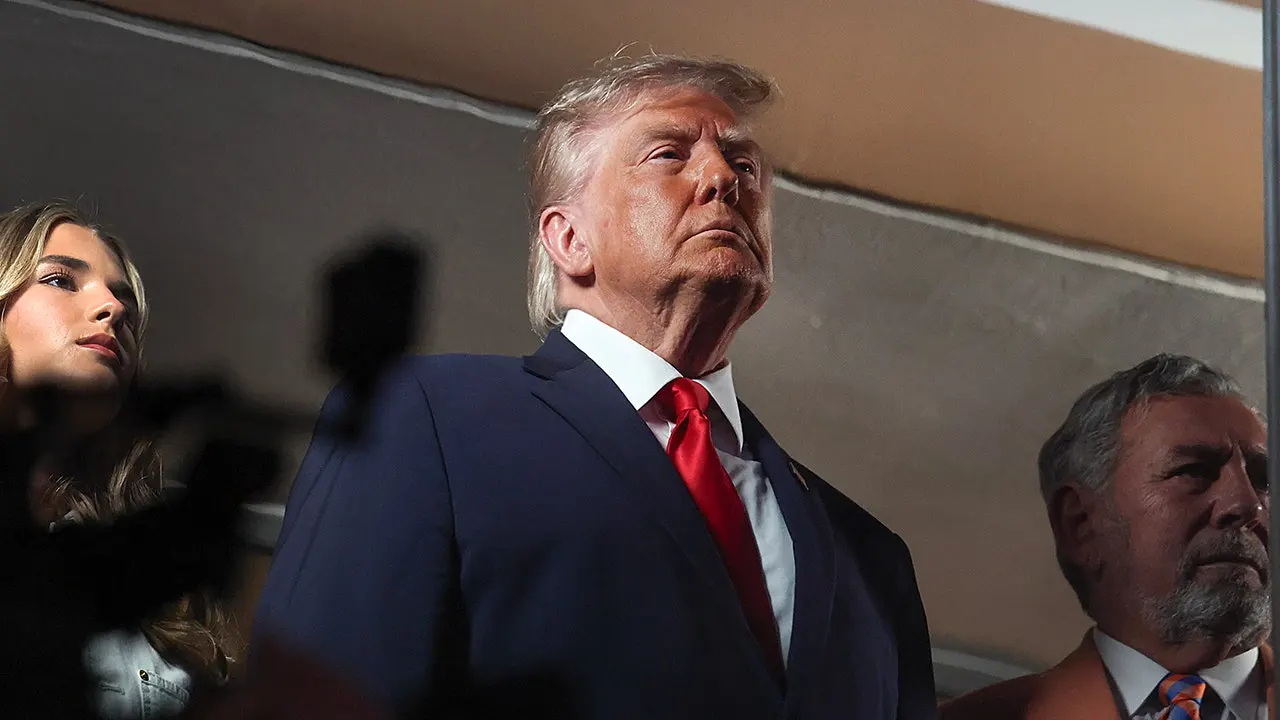
The target of Nadler’s barb, President Donald Trump, had indeed made a historic appearance at Madison Square Garden for Game Three, securing his place in sports trivia as the first sitting president to ever attend an NBA Finals game in person. For the average sports enthusiast, a presidential visit of this magnitude is a double-edged sword that radically alters the entire sensory and physical experience of attending a live match. From a logistical standpoint, the arrival of a sitting commander-in-chief turns a bustling municipal arena into an impenetrable high-security fortress, completely disrupting the normal, cherished rituals of the working-class fan base. In the days leading up to the game, midtown Manhattan was enveloped in an unprecedented security blanket, with high-security steel fencing erected around the entire perimeter of Madison Square Garden. The U.S. Secret Service, working in tandem with the New York Police Department and various other federal law enforcement agencies, enacted stringent, bottlenecked screening protocols that resulted in historically long lines, massive traffic gridlock, and agonizing wait times for ticket holders simply trying to get inside to buy a hot dog and find their seats before tip-off. For the local street vendors who rely on game days to make a living selling pretzels and apparel, the security blockades meant a sudden, devastating drop in foot traffic and daily earnings. Furthermore, the security footprint was so massive and disruptive that local authorities even canceled the highly anticipated public watch parties that had been planned in the streets surrounding the arena, entirely dampening the communal celebration for thousands of working-class fans who could not afford the astronomical ticket prices inside but still wanted to feel part of the historic run. For these local residents, the game was no longer just about basketball; it was an exercise in navigating the complex bureaucracy of presidential protection, demonstrating how the average citizen’s precious leisure time is often pushed aside when the heavy machinery of federal power rolls into town.
Despite the immense logistical headaches and the frustrations of the long, security-choked lines waiting outside in the elements, the atmosphere inside the legendary arena when Donald Trump finally arrived was electric, revealing a complex and deeply human dynamic between the polarizing leader and his home-state crowd. Rather than the uniform, hostile reception some might expect in a deeply blue, liberal metropolis like New York City, Trump was met with a massive, roaring reaction from the Madison Square Garden faithful, reflecting the unpredictable, deeply passionate, and fiercely independent nature of New York sports fans. This boisterous, largely supportive reception stood in stark contrast to his past appearances at major athletic events elsewhere, particularly in Florida, where his reception at a college football national championship game had been far more mixed, polite, and contentious. Within the concrete walls of the arena, the raw emotion of sports seemed to temporarily override traditional political alignments, showing how live events can amplify human behavior in ways that defy standard political polling and media narratives. For a brief moment, the sheer spectacle of a sitting president standing in the world’s most famous arena, surrounded by cheering fans wearing a mix of red political hats and blue Knicks jerseys, created a visceral, theatrical energy that was impossible to ignore, regardless of one’s personal politics. Yet, the physical and emotional cost of this high-level spectacle remained a sore point for local New Yorkers; though the NYPD promised that the beloved public watch parties would finally return for Game Four, the memory of their abrupt cancellation for Game Three served as a stark reminder of how the grand, self-serving theater of national politics often tramples over the simple, everyday joys of ordinary human communities.
This high-profile appearance at the NBA Finals is part of a much larger, highly calculated pattern of behavior for Trump, who has consistently utilized iconic American sporting match-ups as a cultural and political stage since embarking on his presidential career. From the roaring, high-octane asphalt of the Daytona 500—where he famously rode in the armored presidential limousine on the track—to the pristine, quiet fairways of the Ryder Cup and the men’s tennis U.S. Open, Trump has regularly positioned himself at the very heart of the country’s most cherished athletic traditions. He has stood on the field at the college football national championship, waved to cheering crowds from the luxury suites of the Super Bowl in New Orleans, and consistently leaned into the idea that sports are a reflection of national strength, competitive drive, and the American spirit. This deliberate strategy connects directly with a profound human truth: sports are one of the last remaining arenas of shared national experience, where millions of people from wildly diverse backgrounds gather to cheer, cry, and celebrate together in real-time under a single banner. This is a tradition that links back through a long lineage of American presidents, from Richard Nixon calling plays for NFL coaches to Ronald Reagan throwing out ceremonial first pitches at baseball games, all seeking to wrap themselves in the unifying aura of athletic competition. By inserting himself into these deeply emotional spaces, a political leader can bypass the polished, highly scripted world of press conferences and political rallies, connecting instead with the raw, unfiltered, and honest passion of the populace. Whether a fan loves or loathes his presence on the jumbotron, there is no denying that these moments humanize the political struggle, transforming abstract ideological debates into physical, shared human experiences played out under the bright stadium lights of America’s greatest arenas, where everyone is forced to watch the same field of play.
As the dust settled on the congressional hearing and the political barbs faded from the national headlines, the true focus of the sporting world inevitably drifted back to where it always belonged: the pure, unscripted drama of the game and the enduring resilience of the fans who keep these leagues alive. While lawmakers in Washington continue to debate the legalities of the Sports Broadcasting Act and struggle to protect consumers from the predatory pricing of multi-billion-dollar streaming networks, the immediate future for everyday New Yorkers centers simply on the hopeful bounce of a basketball on hardwood. With the security fences dismantled, the Secret Service details departed, and the public watch parties officially restored to the vibrant streets surrounding Madison Square Garden, the community can once again reclaim their beloved team without the heavy hand of national politics or executive protection details dimming the excitement of Game Four. At its core, the intersection of sports, politics, and corporate greed reveals a fundamental human truth: no matter how high the prices rise, how long the security lines stretch, or how eagerly politicians try to weaponize the scoreboard for a quick laugh on Capitol Hill, they cannot diminish the authentic spirit of the fans who show up night after night. Fandom is a form of secular religion, a binding agent for cities and families that endures long after political administrations have changed and modern streaming services have evolved. In the end, the game does not belong to the streaming giants, the league executives, or the politicians seeking a quick headline—it belongs to the loyal communities who gather in the cheap seats and on city streets, collective in their hoop dreams and bound by the eternal hope that tonight, finally, their team will win.