




The midsummer heat of the Major League Baseball trade deadline always brings a unique blend of desperate hope, crushing anxiety, and frantic negotiation, but this year reached a boiling point with a blockbuster move that shook the sport to its core. When the clock ticked down on Saturday evening, the Los Angeles Dodgers—already a star-studded titan of modern baseball—pulled off the ultimate power play by acquiring the sensational, two-time reigning Cy Young Award winner Tarik Skubal from the Detroit Tigers. For Tigers fans, who had watched Skubal develop into an absolutely dominant, irreplaceable force on the mound, his sudden departure felt like a cold, stark reminder of the harsh business realities of modern sports. Meanwhile, across the country, rival fan bases erupted in a storm of fierce criticism, viewing the transaction as yet another example of the rich getting richer at the expense of competitive balance. The Dodgers did not get their new ace for free, of course; they had to part ways with two of their most highly prized minor league prospects, sacrificing pieces of their long-term future for what could amount to only nine or ten regular-season starts from Skubal as they push for a World Series title. It was a high-stakes, breathless gamble that perfectly illustrated the win-at-all-costs philosophy of the Los Angeles front office, setting a dramatic, aggressive tone for the rest of the deadline and proving once again that when the postseason beacon shines, some franchises are willing to burn down their own orchards just to taste the sweetest fruit today.
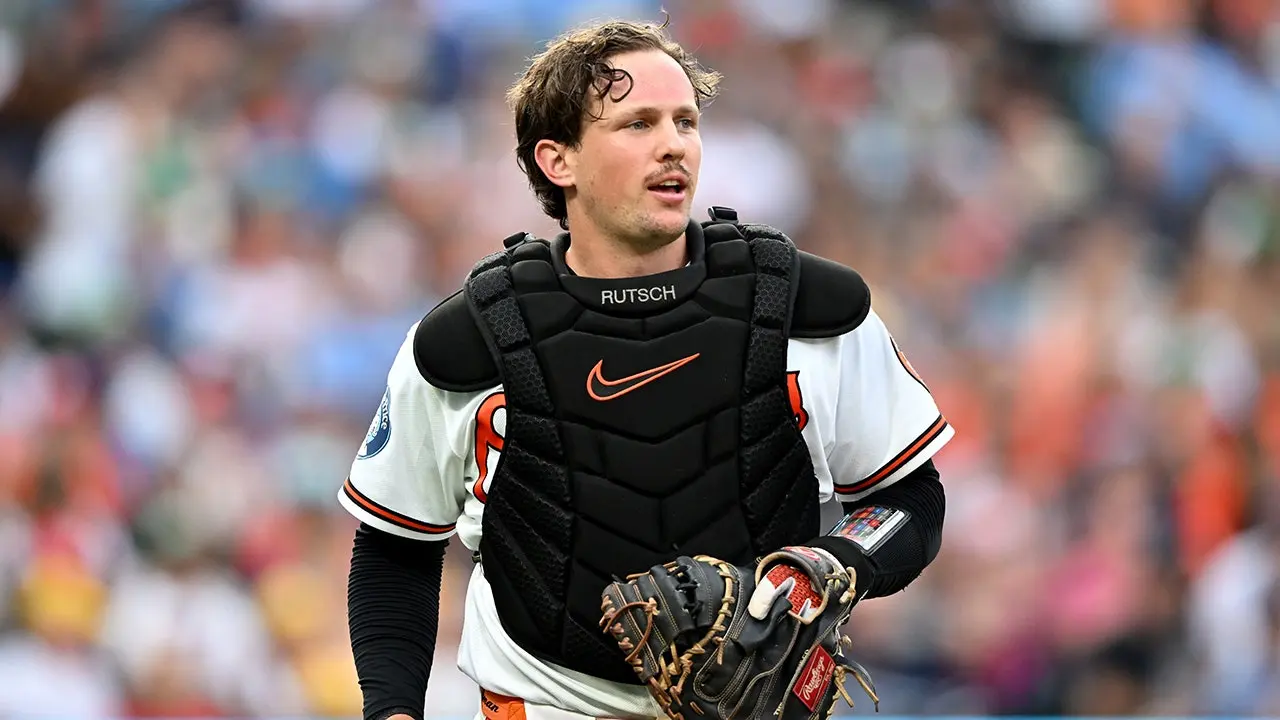
While the Skubal trade dominated the headlines, perhaps the most shocking and emotionally jarring deal of the deadline involved Baltimore Orioles catcher Adley Rutschman, a former number-one overall draft pick who was once considered the shining golden child of Baltimore’s highly anticipated rebuilding era. Rutschman had largely lived up to his monumental billing during his first couple of seasons in the big leagues, cementing himself alongside Gunnar Henderson and Jackson Holliday as the emotional and statistical heartbeat of a young, exciting Orioles core that promised to dominate the American League East for a decade. However, baseball is a volatile game, and a somewhat underwhelming 2024 campaign, coupled with a grueling battle against nagging injuries over the past two years, created a sudden rift in Baltimore’s long-term vision. Sensing an opportunity to capitalize on his value while apparently conceding their immediate hopes for a wild-card spot, the Orioles front office pulled the trigger on a massive trade, sending their franchise catcher to their division rivals, the Boston Red Sox. In return, Baltimore received a king’s ransom of talent, including highly rated pitching prospect Anthony Eyanson and former first-round pick Kyson Witherspoon, signaling a cold, analytical pivot toward the future. For the Red Sox and their passionate fan base, welcoming Rutschman is an absolute dream come true, instantly solving their long-standing catching woes through 2027 and injecting a massive dose of star power and leadership into a clubhouse that is suddenly believing they can make a serious, surprising run deep into October.
The trade deadline is not just about superstars chasing championships; it is also a poignant theater of second chances, dashed expectations, and the heavy psychological burden carried by young men labeled as “the next big thing.” This bittersweet reality was on full display in a stunning trade between the Boston Red Sox and the San Francisco Giants, which saw former top prospect Marcelo Mayer shipped out to the West Coast in exchange for reliable reliever Erik Miller. Mayer, who was once whispered about in Boston with the kind of reverence reserved for future Hall of Famers, had struggled mightily to find his footing in limited big-league opportunities over the last two seasons, finding himself crushed under the weight of expectations before being traded away in a move that felt like a quiet admission of defeat from the Red Sox development team. Similarly, the New York Mets decided to cut their losses on starting pitcher Freddy Peralta, trading him to the Tampa Bay Rays for a trio of young prospects—Aidan Smith, Gary Gill Hill, and Emilien Pitre—just months after sacrificing major assets to acquire him. Peralta’s journey in New York was a tragic baseball story; after arriving as one of the most feared starting pitchers in the game with a sparkling 2.70 ERA in 2025, his 2026 season collapsed into a nightmare of inflated ERAs and dwindling strikeout rates. Now, Peralta heads to Tampa Bay, an organization famous for its almost supernatural ability to resurrect struggling pitchers, offering him a peaceful sanctuary to rebuild his mechanics, find his confidence, and perhaps become the postseason hero that his undeniable talent suggests he can still be.
As the dust continued to settle, several historic franchises locked in a desperate struggle for postseason relevance began frantically patching up the leaking hulls of their respective ships. The Chicago Cubs, reeling from a devastating, season-ending injury to their promising young pitcher Cade Horton, made a massive splash by acquiring veteran right-hander Kevin Gausman from the Toronto Blue Jays, bringing in a battle-tested arm who knows exactly what it takes to navigate the intense pressure of a pennant race. Not content to stop there, the Cubs also secured the services of former Mets closer Clay Holmes, giving up their prized second-best prospect, Jefferson Rojas, in a clear declaration that they are fully committed to winning right now. Meanwhile, the New York Yankees, desperately trying to survive a brutal stretch without the towering presence of injured superstar Aaron Judge, sought to revitalize their stagnating offense by adding Heliot Ramos from the Giants alongside Luis Garcia Jr. from the Nationals, providing their lineup with some much-needed athletic spark and defensive versatility. Not to be outdone in the National League, the powerhouse Philadelphia Phillies—a team that possesses a roster overflowing with high-priced superstars like Bryce Harper, Kyle Schwarber, and Trea Turner, yet has mysteriously struggled to consistently push runs across the plate—made a calculated move by acquiring contact wizard Luis Arraez. This series of transactions highlighted the frantic, human desperation of front offices trying to satisfy their demanding, championship-starved fan bases, proving that in the high-pressure cooker of major league baseball, standing still is often equivalent to moving backward.
No discussion of trade deadline drama is ever complete without turning our attention to Southern California, where two franchises with wildly different philosophies shook up the landscape in their own distinct ways. San Diego Padres General Manager AJ Preller, a man who famously approaches the trade deadline like a high-stakes poker player willing to push all his chips into the center of the table on every single hand, did not disappoint this year. Desperate for starting pitching depth, Preller executed a dazzling double-play, first acquiring veteran left-hander Robbie Ray from the Giants, and then immediately pivoting to land former first-overall draft pick Casey Mize from the Detroit Tigers, sacrificing more of the franchise’s elite young prospects to instantly transform a vulnerable rotation into a formidable postseason unit. Just up the road, the Los Angeles Angels finally chose a path of painful self-awareness, trading away former top-overall prospect Jo Adell to the Cleveland Guardians and sending under-control starter Jose Soriano to the Toronto Blue Jays in exchange for elite prospect Arjun Nimmala. For years, the Angels had been heavily criticized for stubbornly clinging to their players on losing rosters, wasting prime years of generational talents in a futile cycle of mediocrity. By finally letting go of Adell—a player of immense physical gifts who unfortunately could never conquer his plate discipline issues—and trading Soriano to maximize his value, the Angels’ front office showed a refreshing, long-overdue willingness to accept reality, embrace a painful rebuild, and prioritize the long-term health of the franchise over short-term illusions of competitiveness.
In the end, while Tarik Skubal’s move to Los Angeles was undeniably the crowning jewel of the summer, this trade deadline will likely be remembered for its astonishing volume of trades and the deeply confusing, bittersweet decisions made by several teams hovering on the periphery of contention. In an era where the expanded postseason format is designed to keep as many teams as possible in the hunt, a surprising number of franchises decided to wave the white flag of surrender despite being only a few games out of a wild-card spot, leaving their loyal fans feeling abandoned and disillusioned. The Baltimore Orioles, sitting a mere two-and-a-half games out of the final playoff spot, bafflingly traded away Taylor Ward and their beloved franchise centerpiece Adley Rutschman, while the Miami Marlins, just a game and a half back, traded away reliable pieces like Braxton Garrett and Liam Hicks, even as they brought in reliever Victor Vodnik from the Rockies. Even the Seattle Mariners, sitting within arm’s reach of their division crown, decided to trade away ace Luis Castillo, illustrating a cold, corporate approach to baseball that prioritizes future financial flexibility over the raw, human joy of competing for a championship right now. This year’s deadline proved that baseball is a game of stark, sometimes painful contrasts: a sport where young men’s lives are uprooted overnight, where storied franchises gamble their entire futures on a single month of pitching, and where the line between a brilliant front-office masterstroke and a devastating organizational betrayal is often as thin as a single base hit.