




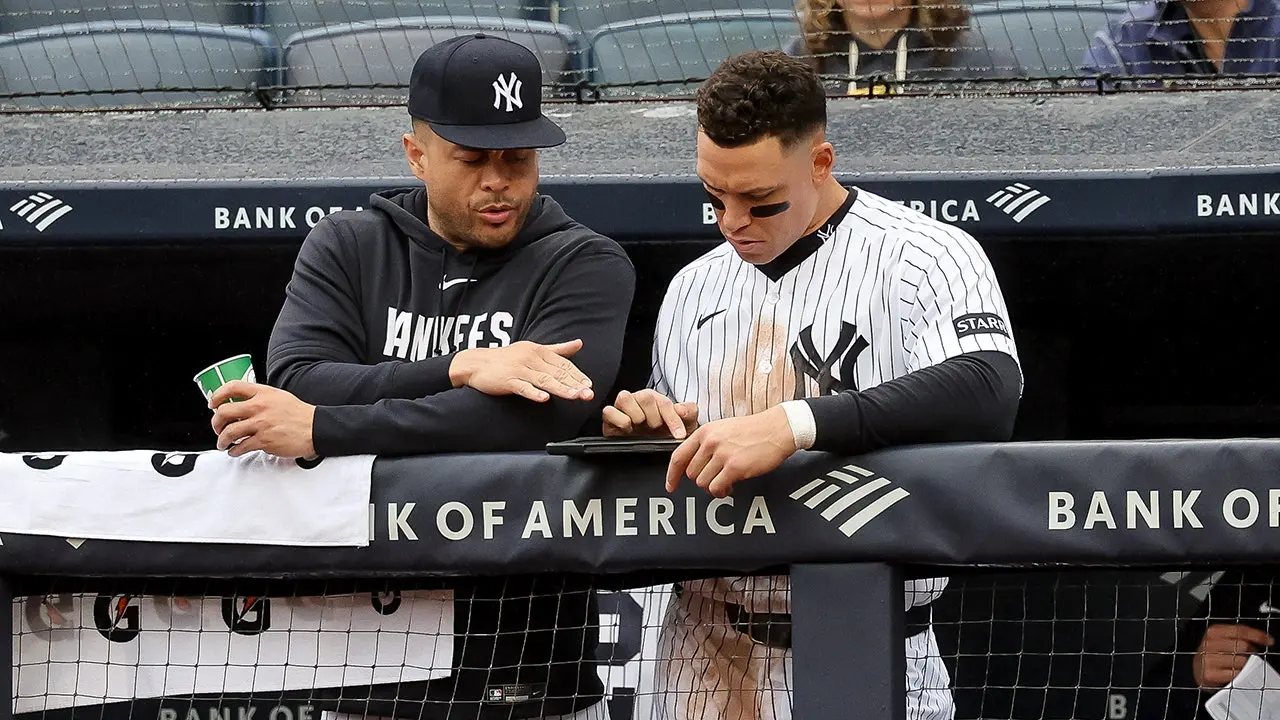
Major League Baseball has stepped in to draw a firm line between technology and human intuition on the diamond. In a decisive move, the commissioner’s office has effectively banned the use of artificial intelligence tools and predictive software on iPads during live games, ensuring that old-school strategy remains in human hands. The league issued a memo to all thirty clubs dynamically halting custom-built applications that pushed the boundaries of standard technology guidelines. This new policy went into full effect just as teams returned to the field after the All-Star break, shutting down modern digital assists right when the pennant races began to heat up.
According to the commissioner’s office, these team-customized iPads were being utilized well beyond their original scope. Instead of merely reviewing past plays or checking basic stats, several clubs were leveraging advanced algorithms to make real-time, in-game decisions. The software was actively recommending strategic pitching changes, calling specific pitches, and making crucial substitution suggestions—tasks that have traditionally defined the roles of managers, coaches, and players. While technology has always had a place in modern baseball preparation, the league felt that letting algorithms dictate real-time tactical decisions on the field crossed a major line, stripping the human element out of America’s pastime.
Reports indicate that as many as a third of all MLB franchises were actively using these unauthorized, AI-driven applications on their team tablets. Despite the widespread use of these complex analytical tools, the league’s exhaustive review confirmed that no teams actually violated Major League Baseball’s strict rules regarding sign-stealing or illicit electronic communication. There was no foul play or malicious spying detected; rather, teams were Husain Bolt-ing into the future of data science a bit too quickly. As one anonymous front-office executive dryly noted, the league’s proactive intervention was a smart preemptive strike to “stop the cheating before there’s cheating.”
To enforce this digital crackdown, the league targeted how the official MLB-issued iPads are configured. Typically, these devices feature three distinct navigation tabs: the first offers league-provided Statcast data and various video angles, the second displays information regarding the automated ball-strike system, and the third was a customizable space where teams could install their own specialized apps. It was this third tab that became the breeding ground for AI-driven strategy tools. Under the newly enacted rules, access to this custom tab is now strictly prohibited during games, rendering those high-tech proprietary algorithms useless once the first pitch is thrown.
Furthermore, baseball officials have tightened security measures to prevent any real-time data leaks from reaching the dugout. In-game video footage provided on the tablets is now subject to a mandatory time delay, preventing teams from analyzing current plays instantly. To back this up, strict rules have been posted across all major league clubhouses to prevent non-field personnel—such as data analysts, mathematicians, and software engineers—from entering the dugouts or having direct contact with the coaching staff during play. These protocols ensure that the dugout remains a sanctuary for active players and coaches, free from outside computational influence.
While the exact number of teams relying on these live, AI-generated insights remains closely guarded, this decisive ban ensures that the magic of baseball stays in the hands of the people who wear the uniforms. By limiting the power of the iPad, Major League Baseball has reaffirmed that gut feelings, sudden inspirations, and decades of human experience still hold value in the sport. From here on out, every crucial pitching change, pinch-hit decision, and defensive shift will be decided by human brains rather than digital codes, keeping the unpredictable heart of the game alive.