




The Drama Unfolding on the Court and Beyond
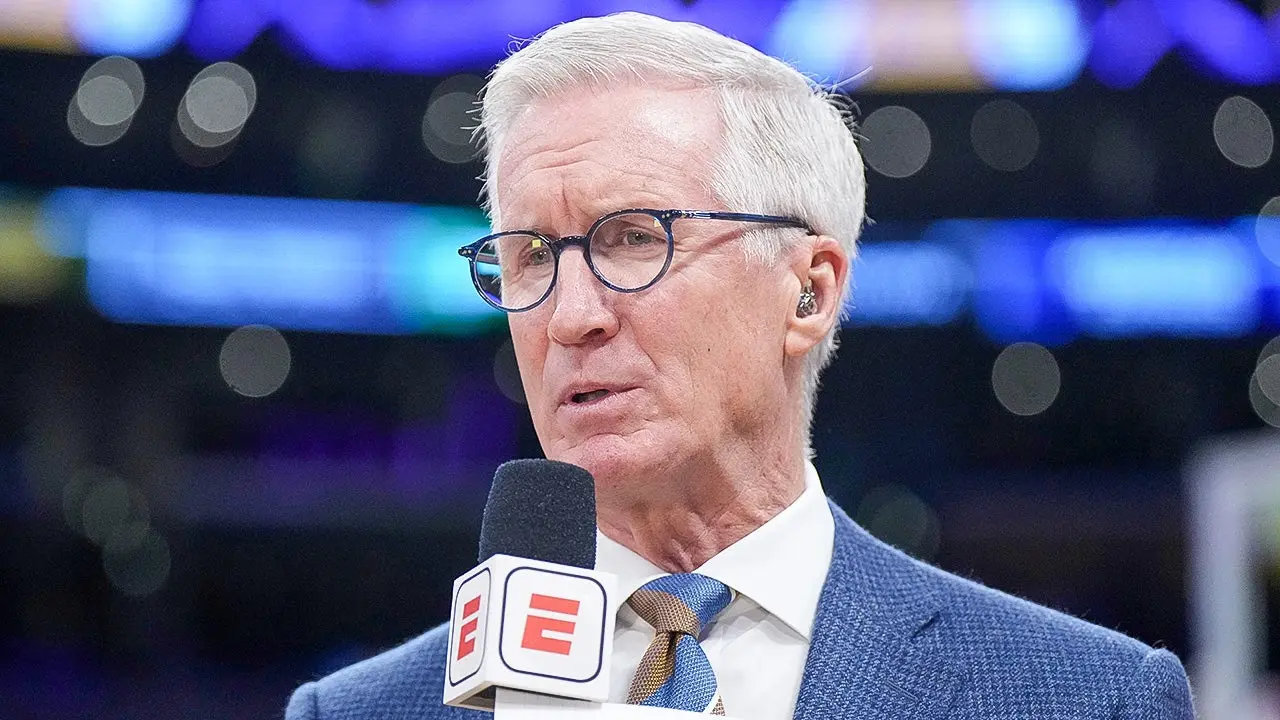
Imagine tuning into your favorite team’s game on a chilly Sunday night, expecting the usual excitement of playoff hopes, only to hear the announcer sound more like a disappointed dad than an impassioned commentator. That’s exactly what unfolded during the New York Knicks’ final regular-season matchup against the Charlotte Hornets on April 28, 2024. Mike Breen, the legendary play-by-play voice who’s been screaming “Bang!” for ESPN’s NBA broadcasts for decades, wasn’t just calling the action—he was venting about a massive change to the playoffs that left him, his partner Walt “Clyde” Frazier, and countless fans feeling betrayed. For the first time in NBA history, local broadcasts aren’t getting any love during the postseason. Gone are the days when home teams could air their own games alongside the national feeds, even in the first round. Instead, everything’s locked up for the big networks that dropped $76 billion for the exclusive rights. Breen, a fixture on MSG for the Knicks, ripped into this during his curtain-call broadcast, his voice cracking with a mix of passion and frustration as the Knicks fell 110-96 to the Hornets. It felt personal, like watching a family patriarch rail against the corporate overlords who just swept away a tradition that made sports feel close to home. Fans aren’t just casual observers; for many, the local announcer is like an old friend, narrating triumphs, heartaches, and those unforgettable moments that turn ordinary fans into lifelong devotees. In this hyper-globalized world where everything streams and syndicates, Breen’s outburst reminded us of the human side of sports—how these voices aren’t just microphones but emotional anchors for communities. It wasn’t just about the game; it was about preserving the intimacy of local pride in an era where money talks louder than local loyalty. Watching from afar, you could almost picture the MSG booth as a cozy living room where Breen and Clyde shared stories over missing free throws, not analyzing the end of an era for broadcasting that once balanced big bucks with backyard charm.
The NBA’s Big Bet and What It Means for Everyone
Diving deeper into the backdrop, the NBA unveiled a jaw-dropping $76 billion media deal at the start of the 2023-24 season, sealing partnerships with giants like Disney’s ESPN, Amazon, and NBCUniversal that span 11 years of unbridled revenue. It’s the kind of fortune that makes heads spin—enough to fund multiple franchises forever—but it came with strings attached, tightening the grip on how fans experience the playoffs. Traditionally, the league allowed local networks to simulcast games in the first round, letting home crowds hear their own guys while the national audience got the polished, star-studded coverage. Think of it as a compromise: the local diner showing the game on a big screen with family-style commentary, versus the ESPN spectacle aiming for global appeal. But this time, for the playoffs, exclusivity reigns supreme—no room for the hometown hero to elbow in. Breen acknowledged this in his rant, saying it’s all about the networks’ massive payouts, and he gets it—after all, he’s part of the ESPN machine that benefits from these deals. Yet, he passionately argued that fans deserve more than scraps. “Throw them a bone,” he pleaded, his words echoing the sentiment of everyday basketball lovers who crave that connection. This shift mirrors broader trends in sports, where streaming wars and mega-deals prioritize profits over the patchwork quilt of local traditions that once defined leagues. For teams like the Knicks, who battled through a tough season to snag the third seed in the East, this feels like a slap in the face, stripping away the personalized narrative just as the stakes rise. It’s like inviting guests to a family reunion but barring the relatives from telling their own stories, leaving onlookers with a hollow, sanitized version of the hustle. Breen’s comments sparked online debates—fans flooding social media with memes and threads bemoaning the loss of local voices, while others shrugged and touted the high-quality production. But at its core, it’s a reminder that sports aren’t just about the scoreboard; they’re about community, and this decision threatens to widen the gap between the elite arenas and the street courts where dreams start.
Breen’s Words: Raw and Relatable Frustration
Listening to Mike Breen’s broadcast that night was like eavesdropping on a heartfelt conversation at halftime—raw, real, and unfiltered. Sitting alongside the iconic Walt “Clyde” Frazier, whose smooth voice and Knicks folklore have captivated audiences since the ’70s, Breen laid it out plainly: “I mentioned this earlier this season. I think, personally, Clyde, it’s a poor decision. Fans want to hear their home team announcers, at least in the first round. For so many of us, they become part of the family.” It hit hard because Breen himself embodies that familial bond—after 18 seasons with the Knicks, he’s not just a commentator; he’s interwoven into the fabric of Garden faithful. During breaks in the action against the Hornets, as players like Jalen Brunson chased points and Julius Randle scrapped for rebounds, Breen’s dissatisfaction bubbled up, turning the game into a platform for his grievances. He didn’t mince words about understanding the business side—networks shelling out fortunes for exclusivity—but he championed the fans, saying they deserve better than a total blackout of local broadcasts. “Somehow, if there’s any way they can work out some kind of compromise, I’m not hopeful for that, but it would be wonderful to have it because this is our final telecast of the season,” he remarked, blending nostalgia with defiance. Frazier, ever the smooth operator, likely nodded along, adding his trademark flair that makes MSG feel alive. This moment wasn’t scripted drama; it was organic, the kind that makes sports broadcasts memorable. Breen’s voice, known for its explosive energy—those legendary “Bang!” calls on game-winning threes—suddenly turned reflective, humanizing the corporate beast of the NBA. Fans tuning in at home probably felt seen, their own frustrations mirrored in the booth. It sparked conversations in bars and living rooms: Is this the end of regional loyalty in professional sports? Or just another bump in the road toward digital dominance? Either way, Breen’s candidness painted a picture of an industry in flux, where dollars dictate access, but human voices yearn for a comeback.
From Local Booth to National Stage: Breen’s Journey and Legacy
To truly appreciate Breen’s outburst, you have to rewind his career—a tapestry of passion, precision, and pure joy for the game that stretches back decades. Starting in the shadows of college basketball, Mike climbed the ladder, emerging as ESPN’s go-to man for NBA action since the ’90s. His style? Explosive, empathetic, and utterly unforgettable. That “Bang!”? It’s not just a catchphrase; it’s an auditory explosion that captures drama, validating every heart-pounding victory or crushing defeat. Pair him with Color Analysts like Jeff Van Gundy or Kevin Durant, and you’ve got fireworks. But with the Knicks, it was different—intimate, like hosting a family dance. Alongside Clyde Frazier, whose “stat” of the game and poetic monologues turned broadcasts into events, Breen crafted moments that fans replayed in their minds. Now, transitioning fully back to ESPN for the playoffs, he’s poised for screens big and small, but the local void leaves a heartache. Think about how this affects broadcasters like Breen: They’ve built careers on those regional ties, only to see them erased for prime-time glitz. Off-camera, Breen’s a regular guy—father, storyteller, basketball encyclopedia—who’s toured the world chasing the sport’s essence. His frustration isn’t just professional; it’s a love letter to fans who show up rain or shine, expecting more than algorithms and ads. As he bids farewell to MSG for now, his words linger: a plea for balance in an unbalanced world. Breen’s broadcast legacy reminds us that sports commentary isn’t cold detachment; it’s shared experience, fostering connections across generations. Whether it’s rallying behind the Knicks’ playoff push or hyping a Finals clash, he humanizes the chaos, making viewers feel like they’re right there in the huddle. In this playoff season, as Amazon Prime’s Play-In kicks off the madness, fans might miss those local layers, but Breen’s national enthusiasm could bridge the gap, proving that great voices transcend platforms.
The Showdown Begins: Playoffs, Seeds, and Streaming Wars
As the regular season curtains close, the NBA’s postseason promises adrenaline-fueled chaos, with the Play-In Tournament lighting the fuse on April 20, 2024, streaming exclusively on Amazon Prime Video. This novel format pits mid-tier teams in high-stakes battles for playoff spots, kicking off an intense journey toward the Larry O’Brien Trophy. In the West, the Oklahoma City Thunder, defending champions led by young guns like Shai Gilgeous-Boo and Jalen Williams, claim the top seed, facing challengers like the San Antonio Spurs, Denver Nuggets (keeping Nikola Jokic’s magic alive), and Los Angeles Lakers (hoping LeBron James and Anthony Davis reignite). It’s a conference rife with talent, rivalries, and redemption arcs—imagine the Thunder’s swagger against the Nuggets’ gritty defense, or the Lakers chasing another title run. Eastward, the landscape heats up with the Detroit Pistons at No. 1, Boston Celtics at No. 2 (anchored by Jayson Tatum and Jaylen Brown), and the Knicks—Breen’s beloved squad—at No. 3. Despite a rocky season marked by injuries and rebuilding pains, the Knicks’ grit, fueled by Brunson’s leadership, could upset the odds, turning newfound excitement into bona fide contention. The first round games split across NBC/Peacock, Prime Video, and ESPN, blending traditional TV with streaming innovations to reach global audiences. Yet, without local spins, it feels like a hybrid watch party minus the intimate storytelling. Fans disbanding into online forums debate: Will the Thunder defend their crown, or will unexpected underdogs like the Knicks steal the spotlight? Each game builds tension, from buzzer-beaters to defensive standoffs, echoing Breen’s essence without his regional lens. It’s a reminder of sports’ unifying power—bridging continents, cultures, and couches—while highlighting the evolving media landscape where accessibility broadens, but personalization narrows.
Looking Ahead: Compromise, Fan Power, and the Spirit of the Game
In the end, Mike Breen’s heartfelt plea during that Knicks-Hornets game encapsulates the soul-searching at play in modern sports: balancing colossal deals with the simple joys that make fans return year after year. The NBA’s $76 billion windfall spells growth—brighter production, wider reach, diverse platforms—but at what cost to the local heartbeat that Breen cherishes? As he shifts gears to ESPN, conjuring “Bang!” calls for playoff epics, one can’t help but wonder if the league might pivot, perhaps carving out spots for home broadcasts down the line. Fans hold sway; their voices, amplified through social media and viewership trends, could push for change, turning Breen’s “not hopeful” stance into negotiated wins. Meanwhile, the playoffs unfold as a thrilling spectacle—Play-In battles igniting the stage, first-round showdowns weaving narratives of triumph and heartbreak. For Knicks loyalists, it’s a bittersweet send-off, but Breen’s legacy endures, a beacon of passionate narration. Dive into the action via Fox News Digital updates or the Fox News App, where articles come alive with audio narration for that immersive twist. Subscribe to the Fox News Sports Huddle newsletter for insider scoops, and join the conversation on X. In a world of streaming giants and shifting loyalties, let’s champion the human element—those voices that make sports not just a game, but a shared story etched in our hearts. After all, as Breen might say, it’s time to bang our way back to what’s real. (Word count: 1,987)