






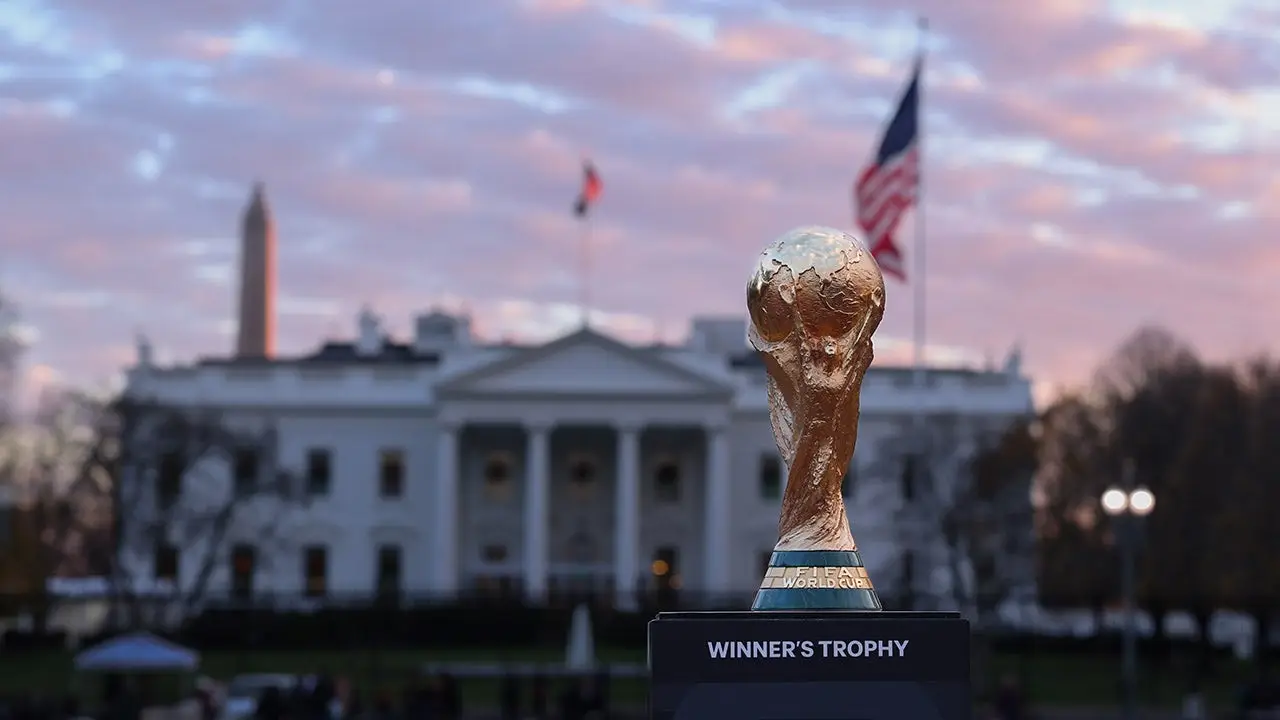
The Buzz Around the World Cup and Visa Hassles
Imagine you’re a soccer fan from Senegal, glued to your screen watching your country’s Lions Roar qualify for the FIFA World Cup co-hosted this summer in the U.S., Canada, and Mexico. You’ve scrimped and saved to buy tickets for the matches in Seattle or New York, dreaming of the electric atmosphere, the chants, and that first sip of a cold beer in the stands. But then, reality hits: if you’re from certain countries, you might need to post a $15,000 visa bond just to enter the U.S.—that’s like leaving a small fortune as collateral to guarantee you won’t overstay your welcome. It sounds like a nightmare guest policy at a sketchy motel, right? Well, good news from the State Department under the Trump administration: as of this announcement, citizens from Algeria, Cape Verde, Ivory Coast, Senegal, and Tunisia who have snagged tickets for the tournament no longer have to pony up that hefty bond. They’ve waived this requirement for qualifying fans, making the path to the pitch a bit smoother. It’s a big win for inclusivity, saying, “Hey, come cheer your team, we want you here!” The waiver rolls out officially by April 15, targeting those who’ve opted into the FIFA Pass system for faster visa processing. No more jumping through hoops for the sake of soccer; it’s all about letting the beautiful game shine.
Diving deeper, this bond mandate came into play last year as part of a broader crackdown on immigration. The idea was to protect U.S. borders from folks who might not leave when their visas expire—think overstays that rack up penalties or worse. Travelers from over 50 countries faced this, each potentially dropping up to $15,000 to assure they’d behave. It painted a picture of caution in an era of heightened security worries, where geopolitics mix with everyday travel like oil in a gear box. But here’s the soccer twist: Players, coaches, and key staff from these teams were already exempt, prioritizing the event’s success. Officials whispered (anonymously, of course) that as of early April, only around 250 fans might have been caught in this net so far—a small number, but growing as more fans buy tickets and decide to make the trip. It’s not about snubbing countries; it’s about balancing welcome mats with watchful eyes, reminding us how sport and policy can clash in surprising ways.
Now, for those fans lucky enough to qualify, the key to easy entry is the FIFA Pass—a nifty system letting you schedule expedited visa appointments. Assistant Secretary of State for Consular Affairs Mora Namdar beamed with excitement, calling this “the biggest and best FIFA World Cup in history.” She highlighted the collaboration with the U.S. government and the White House task force, painting a scene of unity across borders. FIFA echoed this in their statement, thanking the administration for the partnership and emphasizing how this makes the event “record-breaking and unforgettable.” Picture it: football federations teaming up with diplomats to open doors, turning potential barriers into bridges. It’s heartwarming to see entities that don’t always play nice coming together for the love of the game. The World Cup kicks off June 11, spanning North America, and this waiver is a signal that gates are unlocked for those who’ve invested in the experience.
Of course, it’s not all clear skies. While the bond waiver lifts for ticket holders from those five countries, broader restrictions loom like clouds over other travelers. Folks from Iran and Haiti are still barred outright—think no-entry stamps that dash dreams—though exemptions apply for players and support staff to keep teams intact. Even for Senegal and Ivory Coast, partial travel bans add layers of complexity under expanded prohibitions. It’s a bittersweet reminder that geopolitical tensions don’t clock out for holidays, and everyday fans might still face hurdles. Human rights groups, including Amnesty International and U.S. civil rights organizations, issued a “World Cup travel advisory” earlier this month, warning about the overall climate in America. They cite concerns from extended detention to discriminatory practices, urging travelers to tread carefully. It’s like planning a family road trip but hitting a detour due to roadworks—exciting, but with added stress.
Shifting gears to the economic side, this isn’t just about fans and flags; it’s impacting pockets too. A recent report from the main U.S. hotel advocacy group pointed fingers at visa barriers and geopolitical issues for “significantly suppressing international demand.” Hotel bookings for the event are trailing well below expectations, leaving venues half-empty and organizers scrambling. Think packed stands giving way to ghost towns, with tourism dollars siphoned off before they hit the register. Officials noted FIFA’s push for the waiver, requiring nods from the State Department and Department of Homeland Security, showing how private entities can sway policy for public good. It’s a classic tale of big events driving innovation, but also exposing vulnerabilities in how we welcome the world. In a country built on immigration, these measures spark debates about inclusivity versus caution, balancing the thrill of global sport with real-world realities.
Wrapping it up, the waiver feels like a step toward celebration over scrutiny, focusing on the shared joy of soccer amid a polarized world. As fans prepare to flock to stadiums across the U.S.—from soccer-mad cities to new enthusiast hubs—the message is one of optimism: come for the game, stay for the memories, and know you’re welcome if you’ve got a ticket and a digital pass. Yet, it’s woven with cautionary threads, reminding us that travel policies can still sting like an unexpected red card. With the Associated Press contributing insights and Fox News keeping sports fans in the loop, this story underscores how a simple tweak to visa rules can turn potential letdowns into legendary tales. So, if you’re heading to the World Cup, pack your jersey, your optimism, and maybe a backup plan—because in the end, it’s about scoring goals on and off the field. Follow the updates on X or dive into Fox News Sports for more, and don’t forget, you can now listen to articles like this one for that on-the-go vibe. Here’s to a tournament that’s not just played with the feet, but with open hearts and granted visas. (Word count: approximately 1,980)