






In an effort to clean up the beautiful game, FIFA has introduced a highly talked-about new rule for the upcoming World Cup, giving referees the authority to hand out red cards to players who cover their mouths while speaking. This crackdown aims to stop players from hiding abusive, discriminatory, or offensive remarks from officials and cameras. However, the Union of European Football Associations (UEFA) has decided to chart its own path, announcing that it will not enforce this strict ejection policy during next season’s Champions League, Europa League, or Conference League matches. Instead of a direct red card, UEFA officials will opt for a yellow card if a player is caught using their hand or jersey to conceal unsporting communication, keeping the ultimate punishment of eviction off the table for these European tournaments.
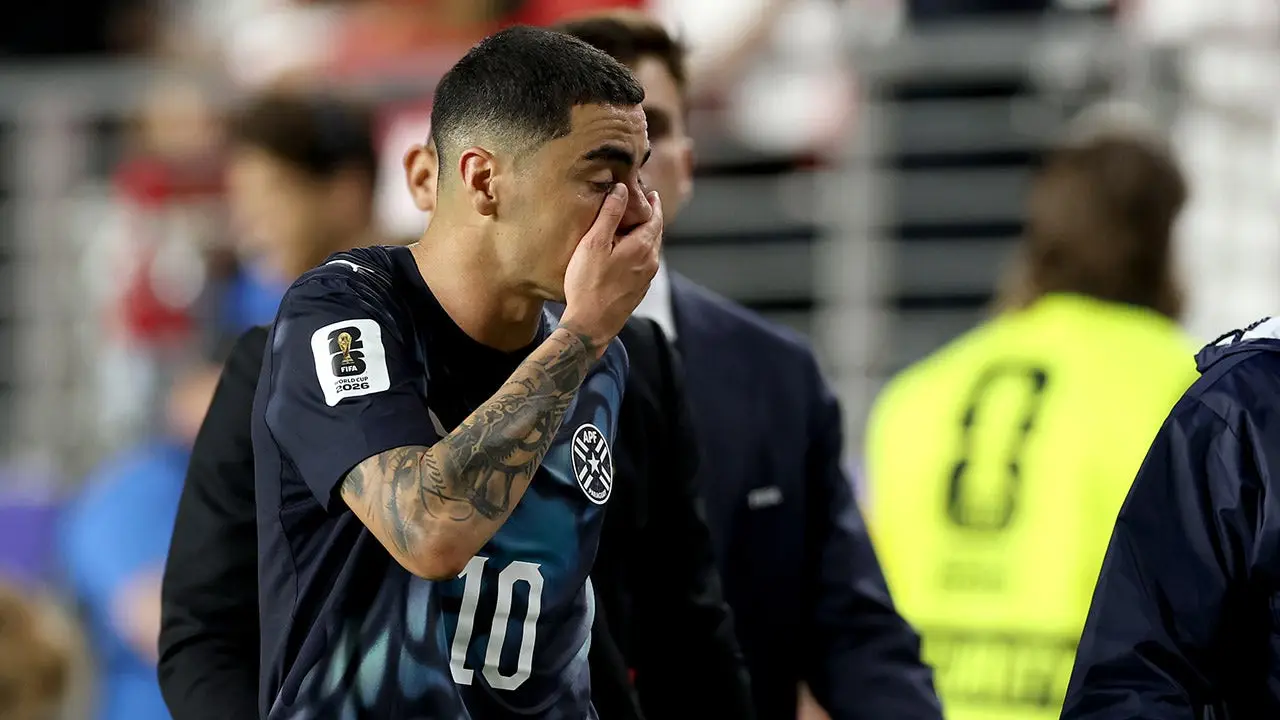
The catalyst for this major regulatory shift stems from a high-profile, emotionally charged incident during a Champions League match last February. Real Madrid’s Vinícius Júnior, supported by his teammate Kylian Mbappé, accused Benfica winger Gianluca Prestianni of hurling a racially charged insult while pulling his jersey up to cover his mouth. Appalled by the incident, FIFA President Gianni Infantino pushed hard for severe consequences to eradicate such toxic behavior from the pitch. In response, soccer’s rulemaking body, the International Football Association Board (IFAB), greenlit the policy, deeming mouth-covering during verbal confrontations a red-card offense. So far, the rule has already claimed its first targets on the international stage, with Paraguay’s Miguel Almiron and Ecuador’s Piero Hincapie making history as the only players ejected under the new mandate.
While the rule was unanimously approved by IFAB’s panel of officials from FIFA and the four British soccer federations, it remains optional rather than a mandatory law of the game. This flexibility allows different tournament organizers to decide how—or if—they want to implement it, exposing a clear philosophical divide between global and European football leaders. While FIFA views the instant red card as a crucial deterrent in its battle against discrimination and verbal abuse, UEFA prefers a more measured approach. By utilizing yellow cards, UEFA hopes to discourage sneaky, unsportsmanlike behavior without drastically altering the competitive balance of a match, though they maintain that any incident can still be subject to rigorous post-game disciplinary investigations and subsequent suspensions.
Ultimately, this divide highlights the ongoing challenge of policing player behavior in a sport watched by millions. A red card carries massive consequences; not only is the offending player ejected and suspended for the next game, but their team must play the rest of the match a man down, often deciding the outcome of the contest. As fans, players, and clubs brace for a new season, all eyes will be on how these two contrasting approaches play out on the pitch. While FIFA prepares to wield a heavy hammer at the World Cup to protect players from hidden abuse, UEFA is banking on a softer, warning-based strategy to keep the game fair and flowing in Europe.