



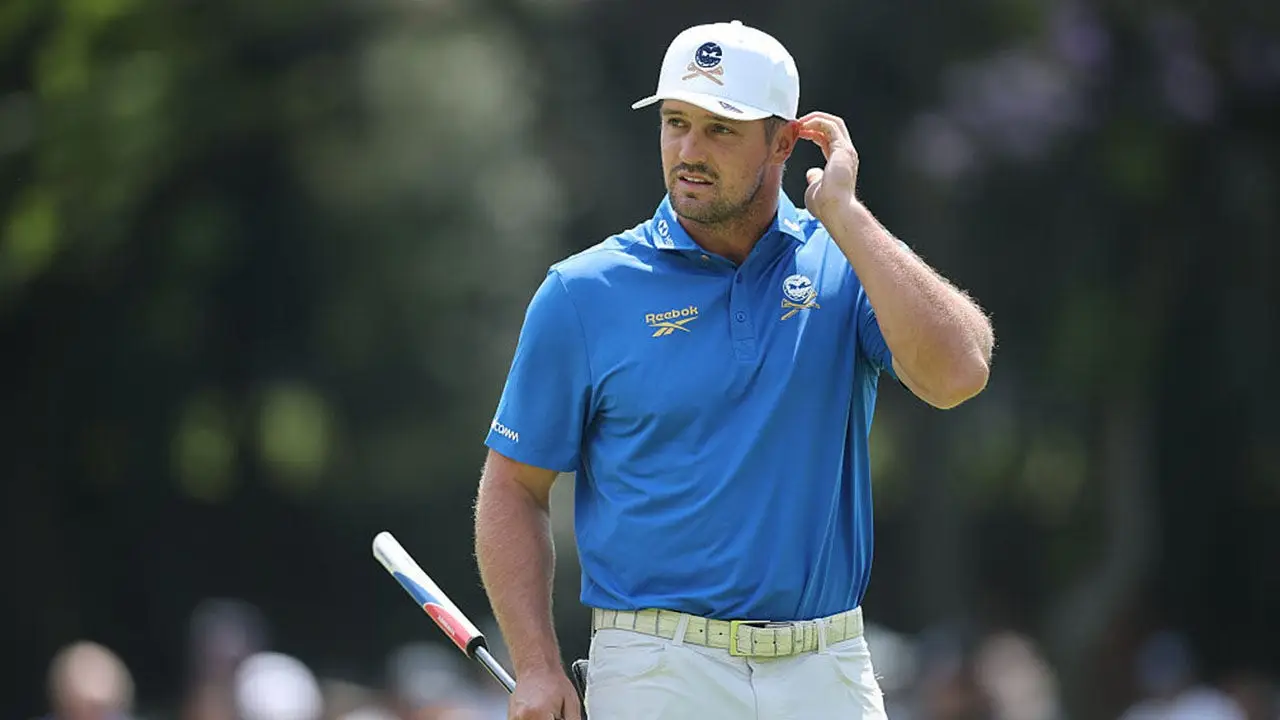
The green fairways of professional golf have always been a stage for quiet prestige, patience, and personal triumph, but the arrival of LIV Golf fundamentally transformed this tranquil landscape into a high-stakes geopolitical drama written in checks with nine zeroes. When the breakaway circuit first burst onto the scene, backed by the virtually bottomless pockets of Saudi Arabia’s sovereign wealth, it promised to revolutionize a centuries-old game with a louder, faster, and more lucrative team format that would capture a younger, more modern global audience. Yet, just a few short years into this audacious and deeply polarizing experiment, the swagger that once characterized the league has been replaced by a quiet, mounting anxiety that permeates every level of the organization, from top-tier executives to the ground crews. The official plan remains to soldier through the immediate challenges and finish out the scheduled 2026 season, but a cold, realistic wind is blowing through the executive suites of the tour and across the manicured fairways alike. Rumors of severe financial exhaustion are no longer whispered in dark corners by cynical traditionalists; they are now spelled out in alarming reports suggesting that the money, once thought to be an infinite, self-replenishing resource, might actually run dry before the final trophies of the season can even be polished and presented to the winners. For the players who risked their hard-earned reputations, the dedicated caddies who rely on weekly tournament play for their living, and the fans who wondered if this indeed was the inevitable future of the sport, the sudden realization that the entire structure is resting on unstable sand is a sobering and dramatic awakening. It serves as a stark, humanizing reminder that in the volatile intersection of professional sport and global finance, nothing is fully guaranteed, and even the grandest, most heavily funded empires can find themselves teetering on the edge of a precipice just as they claim to be hitting their competitive stride.
The core of this current existential crisis lies in a sudden, jarring pivot in long-term strategy from the league’s primary and absolute benefactor: the Saudi Public Investment Fund (PIF). At the end of April, the PIF sent shockwaves through the sporting landscape by quietly announcing that it would pull the plug on funding the breakaway league at the conclusion of the current season, a decision that left industry insiders scrambling for answers and players feeling vulnerable. This was not just a minor, administrative budget trim or a restructuring of corporate overhead; it was a total, sudden severance of the financial lifeline that had sustained the league’s very existence and allowed it to challenge the historic dominance of the PGA Tour. For years, the PIF had acted as a financial godmother with seemingly unlimited capacity, pouring staggering sums into the project with a generosity that defied traditional business logic and market realities. In 2021, 2022, 2024, and 2025, the fund injected north of $1 billion annually, orchestrating a massive, unprecedented redistribution of wealth in the golfing world by poaching some of the game’s biggest and most legendary stars with eye-watering signing bonuses and lucrative equity promises. By the time the governor of the PIF, Yasir Al Rumayyan, approved a seemingly modest $266.6 million capital injection to kick off the 2026 campaign, the cumulative investment was set to peak at a mind-boggling $6 billion. But even the deepest oceans of sovereign capital have shores, and the decision to stop funding has left LIV in a frantic race against time, trying to cross the finish line of the season before the bank accounts read zero. The human element of this shift is deeply profound; players who were promised a lifetime of financial security, global relevance, and an exciting new ecosystem are now forced to watch the horizon with apprehension, wondering if the golden ship they boarded is slowly taking on water while the traditional harbors of their past remain closed to them.
This unexpected financial retreat has created a palpable, exhausting sense of dread among those who keep the tour running behind the scenes, from event planners and marketing teams to security detail. A high-ranking executive from one of LIV’s major partners recently threw a bucket of cold water on any remaining optimistic public relations narratives, admitting to industry insiders that “every remaining tournament is on the fence” as they wait to see how the cash flow plays out from week to week. It is a surreal, almost ironic predicament for an organization that was, until very recently, defined by its ostentatious, loud displays of wealth—from multi-million dollar concert lineups at tournaments to private luxury jets ferrying players and their families around the globe in style. The reality of LIV’s operations is staggering when laid bare in financial ledgers: in 2024 and 2025, the league burned through an average net spend of about $100 million per month to maintain its high-flying image and spectacular production standards. While the early 2026 injection of $266 million was meant to provide a comfortable runway, the unique combination of escalating prize funds, massive production costs, and dwindling sponsor confidence means the runway is shortening at a terrifying velocity that is keeping executives awake at night. The executive’s candid, bittersweet confession—”LIV Golf doesn’t know if or when the PIF will shut off the spigot”—captures the profound vulnerability of a league built entirely on external patronage rather than organic commercial success and ticket-buying fans. Players are no longer just focusing on their putting strokes and course strategies; they are checking financial wires and watching international boardroom politics, fully aware that the very stage beneath their feet could be dismantled by a single administrative pen stroke in Riyadh. The psychological toll of this uncertainty is heavy for those who uprooted their careers to join this venture, transforming what was supposed to be a stress-free competitive format into a daily exercise in micro-managing anxiety and scanning financial headlines for any sign of hope or stability.
The physical evidence of this intense fiscal squeeze is already manifesting concretely on the playing schedule, creating a bizarre and unsettling lull that has left both players and spectators scratching their heads in confusion. With the sudden cancellation of a high-profile tour stop originally scheduled for Louisiana this June, LIV’s calendar has been left with an gaping, eerie void, leaving the circuit without a single event until they travel to the United Kingdom in late July. The official explanation offered by the league for skipping the Louisiana event was a suddenly discovered concern over the oppressive southern summer heat, an excuse that felt deeply hollow to anyone familiar with professional sports schedules and global climates. Indeed, this excuse fell flat with golf enthusiasts and industry analysts alike, who quickly pointed out that Louisiana’s June climate is hardly a state secret, and the tour has routinely staged high-stakes events in far more punishing, arid desert global temperatures without batting an eye. The true story, as whispered by local state officials and industry insiders, was far more complex and distressing: the state of Louisiana had allegedly stepped in to postpone the tournament because LIV was scrambling behind closed doors to restructure its funding and secure local financial guarantees. This high-profile cancellation exposed the fraying seams of the entire enterprise, showing that the complex logistical clockwork of international professional sports cannot operate when the basic financial machinery is grinding to a halt, leaving players stranded in a multi-week competitive limbo that threatens their competitive edge, mental momentum, and overall performance. It has transformed what was supposed to be a relentless, fast-paced global tour into a fragmented, stuttering campaign that lacks the basic rhythm and continuity necessary for athletes to maintain peak physical condition, while exposing the organizational vulnerability that comes from a lack of grassroots municipal support and long-term planning.
This unprecedented, quiet pause on the schedule provides a rare, contemplative window for everyone involved—players, caddies, families, and critics—to reflect on the genuine human cost of this grand, chaotic disruption of the golfing world. When iconic players like Phil Mickelson, Dustin Johnson, and Bryson DeChambeau originally made the leap to LIV, they did so under a barrage of public criticism, accused of trading their sporting legacies and moral standing for generational wealth. At the time, they defended their choices by championing a new era of personal freedom, family-friendly schedules, and a fresh, innovative way to grow the game globally. Now, with the league’s primary funding engine grinding to an untimely halt, those defensive arguments face their toughest, most uncomfortable test yet as the reality of their isolation sets in. The spiritual and professional isolation must feel incredibly heavy for these athletes; having burned their bridges with the traditional PGA Tour and alienated a large portion of the traditional golf fanbase, they now find themselves stranded on an island that is rapidly running out of resources. The psychological weight of this uncertainty extends far beyond the superstar players to the caddies who travel week to week, the event staff working in temporary roles, the local vendors who invested in tournament partnerships, and the passionate fans who bought non-refundable tickets and travel packages, all of whom are realizing that the glamorous promise of “Golf, but louder” might end not with a triumphant roar, but with a quiet, unceremonious whimper in an empty boardroom. This human cost is often forgotten in the grand discussions of billions of dollars, but it is the real, everyday reality for hundreds of professionals who hitched their wagons to a star that is now rapidly losing its shine. They are left to grapple with the uncomfortable reality that their careers, legacies, and daily livelihoods have become collateral damage in a high-stakes game of geopolitical chess where the players themselves are merely pawn pieces.
As the tour looks ahead to its high-stakes United Kingdom event in late July, the overarching question is no longer about who will lift the individual trophies or lead the team standings, but whether the league itself can survive to see its planned conclusion. The contrast between LIV’s initial, loud defiance of golf’s establishment and its current, quiet struggle for basic operational survival is one of the most dramatic arcs in modern sporting history, proving that even six billion dollars cannot easily buy a permanent place in the hearts of sports fans or secure a lasting legacy. If the PIF indeed holds fast to its decision to close the checkbook at the end of the year, LIV Golf will likely be remembered not as a permanent new paradigm for the sport, but as a fascinating, incredibly expensive fever dream that tested the absolute limits of sports-washing, executive hubris, and raw financial muscle. Ultimately, the fate of the league rests not on the green grass of the fairway or the skill of the athletes, but in the sterile, air-conditioned offices of high-ranking international financiers who view the great game of golf not as a pursuit of passion, history, and legacy, but as a simple line item on a ledger that has finally ceased to make fiscal sense. When the dust finally settles on this tumultuous chapter, the players may return to a fractured, cynical landscape, forever changed by a brief, golden gold rush that promised to rewrite the rules of the game but ultimately proved that some traditions, and some financial bills, are simply too expensive to pay. The lesson of LIV Golf will remain a cautionary tale for generations to come: that in the world of sports, true value is built on the passion of the fans and the integrity of the competition, things that money can never truly buy, and when the money finally vanishes, only the silence of the empty green fields remains.