



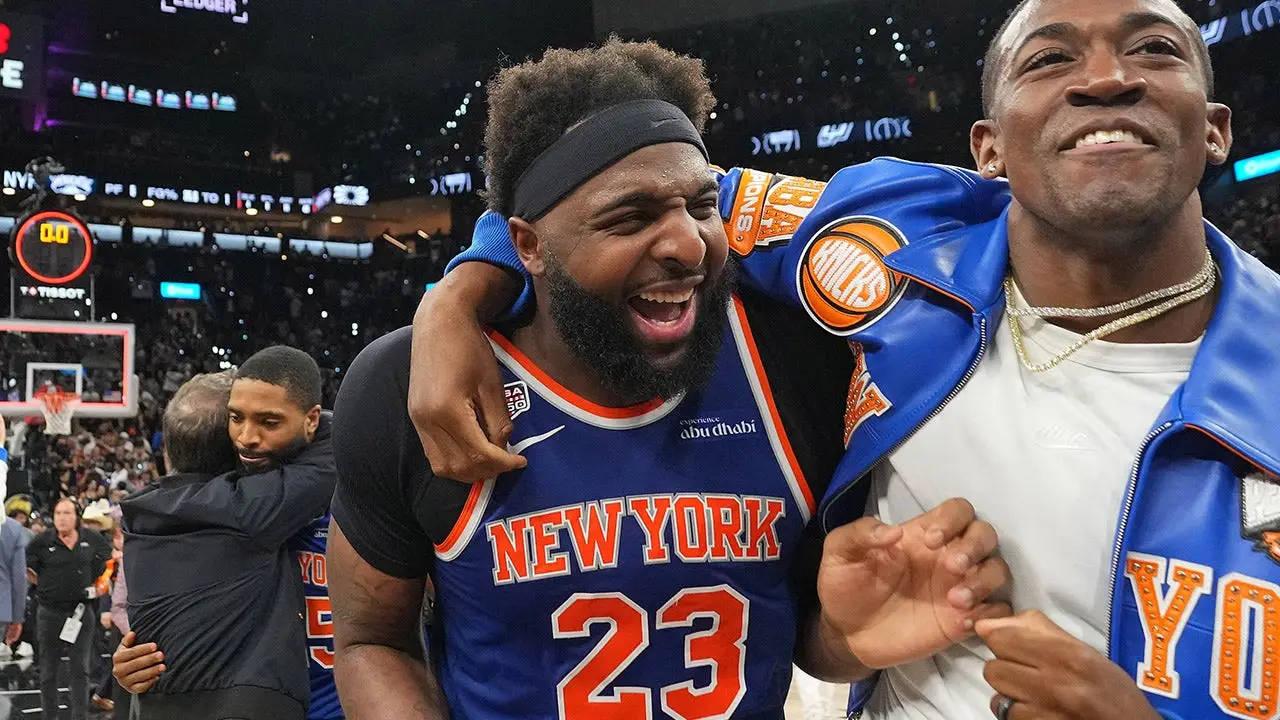
For the first time in over half a century, New York Knicks fans finally tasted the sweet glory of an NBA championship, but the euphoria of that historic victory has quickly given way to the cold, harsh realities of modern sports business. In professional basketball, the celebration rarely lasts long before the front office has to face the salary cap sheet. For the Knicks, the championship high was still lingering when the first major piece of their title-winning puzzle walked out the door. The departure of defensive anchor Mitchell Robinson has officially signaled the beginning of an inevitable roster reconstruction, proving that keeping a championship core together in today’s NBA is one of the hardest acts to pull off.
The first domino fell when Robinson, the team’s long-serving center, agreed to a three-year contract with the rival Boston Celtics. It was a bittersweet departure for a player who truly experienced the highest highs and lowest lows of the franchise. Drafted as a second-round pick back in 2018, Robinson endured a brutal 17-65 rookie campaign, sticking with the organization through the dark years of rebuilding and coaching changes. His journey came full circle last month when he secured the critical, game-clinching offensive rebound in the final seconds against the San Antonio Spurs to seal the Knicks’ first title in fifty-three years. To go from a seventeen-win season to world champion is the ultimate athletic redemption arc, which makes his exit to a division rival sting all the more for the Madison Square Garden faithful.
Behind the scenes of this high-profile departure lies a narrative of frustration and unmet desires, as hinted at in social media interactions between Robinson and his now-former teammates. When news of his signing broke, star players of the championship squad like Jalen Brunson, Josh Hart, and OG Anunoby took to Instagram to offer emotional farewells. In response to Anunoby’s simple sad-face emoji, Robinson dropped a telling hint about the breakdown in contract negotiations, responding that he “tried” to make a return to New York work but suggested the desire was not mutual. In his raw and public reply, Robinson expressed his sadness over the situation, stating he did not want things to end this way and hoped “the truth comes out at some point.” The public exchange gave fans a rare, unfiltered glimpse into the emotional toll of the business side of basketball.
The root of this painful parting of ways traces directly back to the luxury tax penalties established by the NBA’s collective bargaining agreement. Almost immediately after the confetti fell in New York, team owner James Dolan made it clear that he had no intention of crossing over into the league’s dreaded “second apron” of payroll. Dolan went as far as to describe plunging deep into that financial tax bracket as “suicidal” for the franchise’s long-term health and flexibility. While some fans might view this as billionaire frugality, it was a clear warning shot that a roster shakeup was on the horizon, forcing management to make incredibly difficult decisions regarding which players to keep and which ones to let walk away.
Furthermore, the Knicks find themselves navigating a complex financial puzzle over the next several seasons. While utility guard Jose Alvarado was successfully retained, the front office must plan around the eventual, massive payday for franchise cornerstone Jalen Brunson. Brunson previously took a highly publicized, significant pay cut to give the front office the breathing room necessary to build a championship-caliber team around him. However, everyone in the organization knows that debt will eventually come due, and rewarding their superstar with a max contract means sacrifices have to be made elsewhere on the depth chart. Robinson became the first casualty of this fiscal forecasting, leaving New York to join an aggressive Boston Celtics squad looking to re-tool its own frontcourt.
Ultimately, Mitchell Robinson’s exodus is a poignant reminder of the fleeting nature of success in the modern NBA. While New Yorkers will forever cherish the memory of his championship-clinching rebound, his departure highlights the swift transition from victory parade to corporate restructuring. As Robinson heads north to Boston as a reigning champion, the Knicks must now find a way to defend their crown with a altered identity. For the fans, the joy of the banner will always remain, but the business of basketball marches on, leaving behind old favorites in the pursuit of sustainable success.