


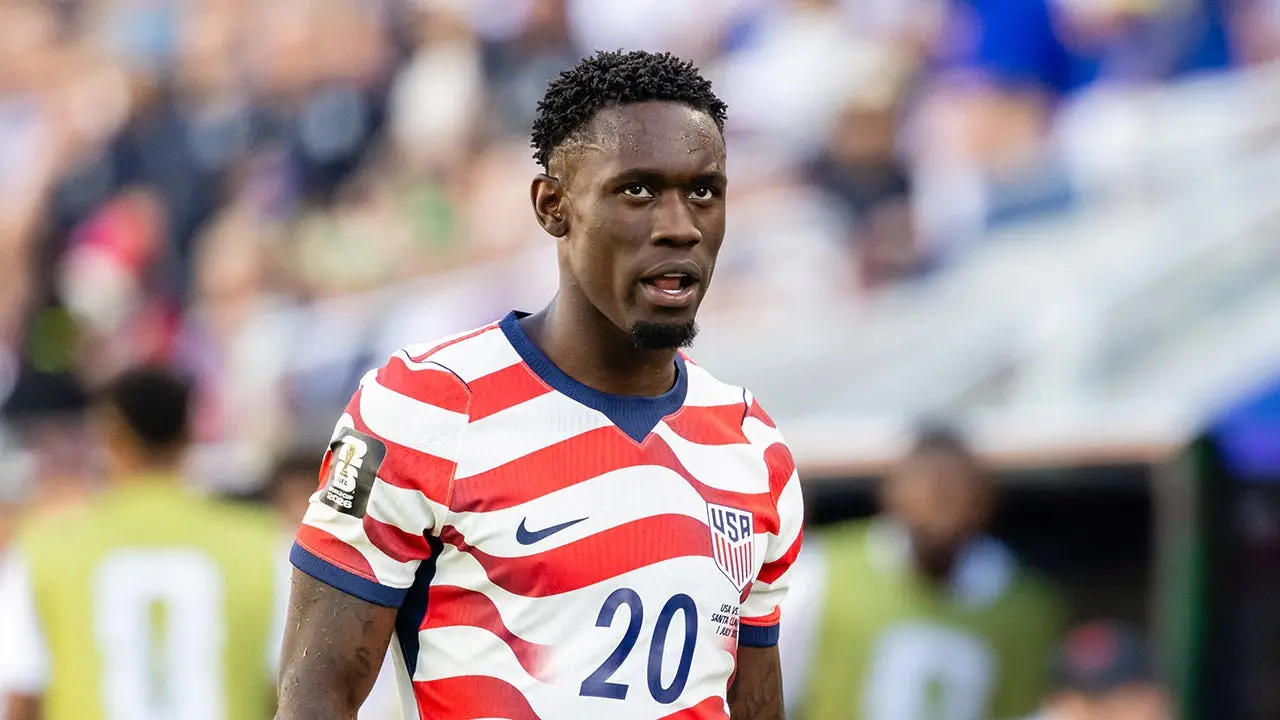
The beautiful game of soccer has an unparalleled ability to take its followers on a dizzying roller-coaster of emotions, swinging from pure, unadulterated ecstasy to crushing heartbreak in the span of a single ninety-minute match. This bitter-sweet reality was thrust upon the United States men’s national team during what should have been one of the proudest moments in their recent history. On a tense and electric Wednesday night, the Americans put on a clinic of resilience and tactical discipline to secure a crucial 2-0 victory over Bosnia and Herzegovina. The triumph was meant to spark nationwide celebration, establishing a sense of momentum as the team advanced into the knockout stages of the World Cup. However, the jubilant atmosphere was instantly dampened by a cloud of profound misfortune. Folarin Balogun, the luminous young star and the team’s leading goalscorer throughout this tournament, found himself at the center of a dramatic and highly controversial incident. Having already found the back of the net to put his team ahead in the first half, Balogun went from being the celebrated hero of the evening to a tragic figure, dismissed from the pitch and cast into a state of forced exile just as the stakes reached their absolute peak.
The turning point of the match occurred in a split-second sequence that will be debated in soccer bars and locker rooms for years to come. In the high-stakes environment of international tournament football, players hunt for every loose ball with absolute intensity, and it was during one of these chaotic 50-50 challenges that disaster struck. Balogun and a Bosnian defender lunged for the ball simultaneously, their bodies naturally colliding and tangling in the physical momentum of play. As Balogun tried to recover his balance, his foot accidentally came down on the opponent’s ankle, causing the joint to roll in a stomach-turning, awkward fashion. There was no malice in the action—it was a classic, unfortunate footballing accident born of high-intensity play. However, in the modern era of the sport, the cold, analytical eye of the Video Assistant Referee (VAR) leaves no room for human grace or context. The referee was instructed to review the incident on the pitchside monitor, where the dynamic, high-speed collision was reduced to a series of slow-motion frames highlighting the point of contact. Deemed “serious foul play” by the officiating crew, a direct red card was brandished. In an instant, the USA was reduced to ten players, and their young talisman was sent down the tunnel, his World Cup dreams temporarily shattered.
The immediate consequence of the red card was bad enough, forcing the remaining ten American players to run themselves into the ground to protect their lead, but the true devastation lies in the long-term fallout. Due to the strict, unyielding nature of FIFA’s regulatory framework, Balogun is automatically suspended for the United States’ highly anticipated Round of 16 clash against Belgium. For fans and sports analysts alike, the instinct was to demand an immediate appeal, pointing out the clear lack of violent intent. Yet, the governing body of global soccer offers no such avenue for mercy or common sense. According to Article 9.6 of the official 2026 World Cup regulations, referee decisions regarding on-field facts are absolute, final, and entirely insulated from external appeal. This bureaucratic rigidity was met with fierce outrage from prominent figures in American soccer, most notably legendary defender turned pundit Alexi Lalas, who publicly blasted the refereeing decision as “an absolute joke.” The reality is incredibly stark: while heavier punishments can be handed out for egregious offenses—such as the five-game ban given to Qatar’s Assim Madibo for a leg-breaking challenge—there is absolutely no mechanism to rescind or reduce a standard red-card suspension, leaving the USMNT helpless against this harsh layout of the law.
To truly understand the tragedy of this situation, one must look at the human element and the immense weight carried by Folarin Balogun. The young striker made a monumentally brave decision to commit his international future to the United States, instantly inheriting the hopes of a soccer nation that has desperately yearned for a world-class, clinical number nine for decades. He had been playing the tournament of his life, functioning not just as a goalscorer, but as the emotional focal point of the American attack. To have that momentum violently halted by a controversial, accidental play is a devastating psychological blow for a young athlete. Instead of walking onto the pitch in Seattle under the dazzling stadium lights, hearing the roar of tens of thousands of passionate fans, and fighting alongside his brothers-in-arms against a formidable Belgian side, Balogun will be relegated to the stands. He will be forced to watch as a powerless spectator, suffering through every pass, tackle, and shot, knowing that his team must fight for their tournament survival without his services.
Balogun’s forced absence presents a massive, compounding headache for the USMNT coaching staff, who must now completely redesign their offensive game plan for what is arguably the most important match in modern American soccer history. Securing a victory against a highly disciplined and experienced Belgian team is already a monumental task; doing so without your chief offensive weapon makes it feel like climbing an unforgiving mountain. The coaching staff must choose between shifting their tactical system to accommodate a different style of striker, or calling upon a reserve player to step into the massive vacuum left by Balogun, hoping they can conjure the performance of a lifetime. The game plan can no longer rely on Balogun’s unique ability to stretch opposing defenses with his pace and clinical finishing. Instead, the United States will have to lean heavily on collective grit, midfield dominance, and defensive solidarity, turning the upcoming match into a true test of their squad depth, mental fortitude, and tactical adaptability.
Despite the severe blow to their roster and the subsequent dip in their betting odds, the American squad must find a way to transform this adversity into fuel. The upcoming Round of 16 battle in Seattle will be played in one of the most passionate and hostile soccer environments in the country, and the home-field advantage could prove to be the ultimate equalizer. While Belgium possesses world-class pedigree, the United States has historically thrived when cast as the gritty, overlooked underdogs. This agonizing setback has the potential to unite the locker room in a powerful way, creating a “us against the world” mentality where every player on the pitch runs an extra mile for their suspended teammate. If the USMNT can somehow overcome the odds, conquer Belgium, and advance to the quarter-finals, it will not only be a historic achievement for the sport in America, but it will also vindicate Balogun’s sacrifice, keeping the dream alive long enough for their young star to make a triumphant return to the world stage.