





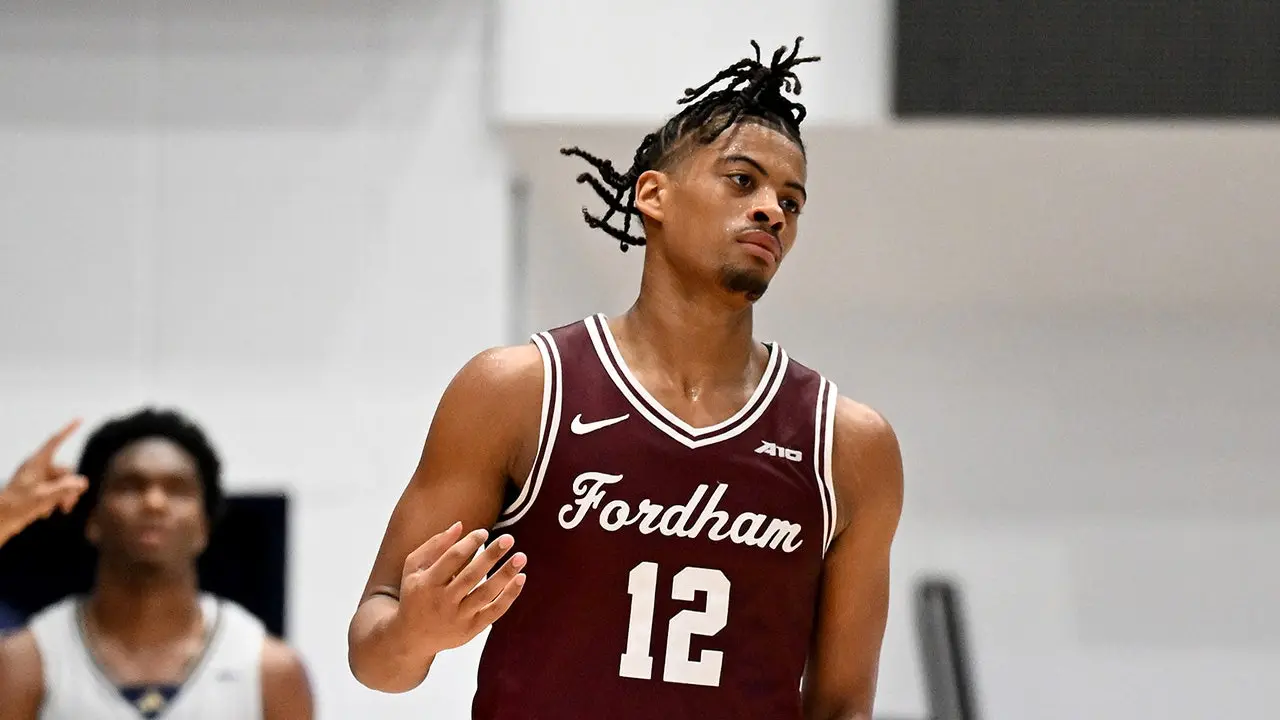
The story of the Fordham Rams basketball scandal feels like one of those gut-wrenching tales that hits close to home for anyone passionate about college sports. Imagine young athletes, full of potential and dreams, getting tangled in the murky world of sports betting—a world that promises quick riches but often leads to heartbreak and ruin. In this case, two players, Elijah Gray and Will Richardson, found themselves at the center of it all. The NCAA, the governing body that oversees collegiate athletics, announced on Tuesday that these former Rams had been permanently barred from ever competing in NCAA play again. It wasn’t just a slap on the wrist; it was a lifetime ban, stemming from allegations that they were involved in trying to manipulate a game for betting purposes. Gray and Richardson, both no longer with the program, had connections to a known bettor who was already in legal trouble for fraud and bribery. This third-party involvement came from another sports betting investigation, adding layers of complexity to what started as whispers of wrongdoing.
Delving deeper, the scandal unfolded when investigators uncovered that the bettor—a figure already indicted—had ties to these players. Gray and Richardson were linked through social media and direct communications, painting a picture of young men navigating the fast-paced, high-stakes environment of college sports, where temptations can easily creep in. The NCAA reached out to state gaming regulators, and the Mississippi Gaming Commission confirmed a $10,000 bet placed on a February 2024 Fordham game, backing the opposing team to win. This bet wasn’t random; it pointed to a orchestrated scheme. For fans of fair play, this revelation stings because it undermines the integrity of the game itself, turning moments of athletic glory into potential pawns for profit. Players like Gray and Richardson, averaging solid points per game in their careers, must have felt the pressure of expectations—familial, scholastic, and personal—that compel them to chase legitimacy and success. Yet, here, we see how deceptive influences can sway even the most talented minds, reminding us that behind the stats and highlights, there are real people making real mistakes.
The turning point came from an overheard conversation that changed everything. A third party, involved in another betting probe, reported hearing Gray, Richardson, and another student-athlete discussing the idea of throwing a game in exchange for cash. It’s a chilling reminder of how casual talks can spiral into serious infractions, especially in locker rooms where bonds are strong and secrets are shared. These young men, likely buoyed by the adrenaline of competition, might have seen it as a harmless gamble or a way to pad their wallets amidst the financial struggles many student-athletes face. The NCAA’s enforcement team pieced this together meticulously, reviewing rosters and connections to build a case that showed intent to undermine the fairness of the sport. In an era where sports betting is booming, with apps and ads everywhere, it’s easy to understand how the line between fun betting and criminal activity blurs. For Gray and Richardson, this was no joke; it led to their names being etched in infamy, despite their on-court efforts that had fans cheering. This human element—the temptation and the fallout—makes the story resonate, urging us to ponder how we protect young people from such pitfalls.
Gray chose to cooperate with investigators, offering a raw account that humanized his involvement. He admitted to exchanging messages with the known bettor and Antonio Blakeney, a former NBA player implicated in the scheme, revealing that both he and Richardson had agreed to lose a game for payments ranging from $10,000 to $15,000 each. But Gray, perhaps wracked with guilt or conscience, said he reconsidered at the last minute, giving his all and helping Fordham win that fateful game. It’s a moment of redemption in an otherwise grim tale, showing that youth doesn’t always equate to poor judgment, and desperation can be overcome. Still, Gray expressed deep remorse for crossing ethical lines by sharing information with the bettor, even if he backed out. Tragically, Richardson took a different path, denying any participation in calls or the scheme during interviews. This denial, spanning multiple sessions in September and October 2025, created a wall of contention, with Gray providing messages and screenshots that contradicted Richardson’s story. Phone records later revealed Richardson continued communicating with Blakeney post-game, raising questions about undisclosed facets of the plot. These interactions highlight the complexities of young adulthood—friendships, loyalties, and the instinct to protect oneself at all costs—yet they also expose the web of deceit that can ensnare everyone involved.
Further complicating matters, Richardson’s phone records showed he contacted another student-athlete after an October interview, one who hadn’t yet spoken to enforcement. This reach-out, as noted by the NCAA, suggested possible attempts to coordinate stories or evade scrutiny, painting a picture of fear and secrecy. Richardson consistently denied telling Gray about his enforcement interview, despite Gray’s claims otherwise. Such discrepancies create sympathy for all parties; here are young adults, thrust into a high-profile scandal, likely scared about their futures beyond basketball. Gray, for his part, owned up to violating Level 1 ethical conduct rules but emphasized he didn’t follow through, showcasing a glimmer of accountability. With careers in limbo and reputations tarnished, one can’t help but empathize with the pressure these players must face—public scrutiny, team rejection, and the long-term impact on their lives and families. It’s a stark lesson on the perils of mixing sports with money, where one wrong decision can echo forever.
In the end, Gray and Richardson’s violations led to permanent ineligibility, a harsh penalty that distances them from the NCAA world they once knew. Gray, during his sophomore season in 2024, averaged 8.2 points in 32 games, while Richardson netted 9.8 points per game in 27.1 minutes over 27 games—solid stat sheets that now feel overshadowed by this ordeal. For fans and the broader sports community, this scandal underscores the need for stronger safeguards against betting influences, ensuring the purity of the game. As college athletics evolve with legalized gambling, stories like this serve as cautionary tales, asking us to consider the human cost of ambition gone awry. Whether through apps or newsletters, staying informed helps everyone—athletes, coaches, and enthusiasts—push for a fairer landscape. Ultimately, for Gray and Richardson, life after this chapter is about rebuilding, learning, and perhaps inspiring others to choose integrity over shortcuts, proving that redemption is possible even in the face of profound mistakes.