





Within the sprawling, sun-drenched confines of Orlando, Florida, lies a high-tech training complex that represents both the starting line and the ultimate crucible for the future of sports entertainment: the WWE Performance Center. For the men and women of NXT, this is not merely a training facility, but an emotional and physical testing ground where raw athletic skill is systematically dismantled and rebuilt into larger-than-life superstardom. By the time June 2026 rolls around, the landscape of NXT has evolved from a traditional developmental territory into a self-sustaining, globally recognized brand, brimming with hungry athletes who live in a constant state of creative tension. Here, the hum of the air conditioning is drowned out by the rhythmic, thunderous thuds of bodies hitting the canvas, the sharp squeak of boots on vinyl, and the quiet, anxious breathing of performers waiting for their cue behind the curtain. To look at the NXT roster during this era is to look at a collection of raw human ambition, where young athletes from elite collegiate backgrounds, international independent circuits, and completely different sports disciplines converge to find their voices, their characters, and ultimately, their destinies. It is a world governed by the pursuit of perfection, where the distance between obscurity and global fame is measured in the sweat left behind in the ring and the ability to connect deeply with an audience that demands both physical excellence and emotional vulnerability.
At the very vanguard of this modern NXT era stands Tony D’Angelo, a performer who perfectly encapsulates the delicate, high-wire act of balancing physical dominance with deep character work. Born Joseph Ariola and boasting an esteemed background as an NCAA Division I wrestler, he entered the WWE system with a highly legitimate athletic pedigree, yet it is his transformation into “The Don of NXT” that has cemented his place at the top of the card. D’Angelo’s character is a masterclass in modern sports entertainment, breathing fresh life into the classic, theatrical archetypes of the past while backing it up with a bruising, technically precise style in the ring. Behind the fictionalized, sharp-suited crime family leader who orchestrates high-stakes deals in the dark corners of the Capitol Wrestling Center lies a real-world athlete carrying the immense pressure of leading a multi-million-dollar weekly television program. To watch D’Angelo navigate the ring is to witness a fascinating transition; he must protect his opponents with absolute physical precision while convincing the audience that he is a ruthless, unforgiving mob boss who will stop at nothing to secure his territory. His presence on the June 2026 roster is a testament to how the modern wrestler must be as much of a seasoned character actor as they are a world-class athlete, understanding that a single look into a television camera can be just as impactful as a high-angle suplex.
In stark contrast to the theatrical, operatic presentation of D’Angelo’s world is the grounded, profoundly inspiring reality of Myles Borne, a performer whose very presence in NXT represents a triumph of the human spirit over seemingly insurmountable obstacles. Born deaf and later adopted into a loving home, Borne’s journey to the professional wrestling ring has required an extraordinary level of determination, reliance on auxiliary senses, and a sheer refusal to let physical limitations dictate his ceiling in a industry that relies heavily on oral communication. In WWE, where referees constantly bark instructions, opponents call audibles in the heat of a match, and the roar of the crowd dictates the pacing of the action, Borne has had to develop an almost supernatural level of physical intuition, reading the micro-movements of his opponents’ bodies and feeling the vibrations of the canvas beneath his feet. His technical prowess is a marvel to behold, heavily influenced by his collegiate wrestling days and refined through endless hours of training alongside stablemates who respect his tireless work ethic. Borne’s rise through the ranks to become one of the anchor points of the roster by June 2026 is a powerful reminder that professional wrestling, at its absolute core, is a physical universal language—one that does not require spoken words to convey passion, struggle, sacrifice, and the ultimate joy of overcoming the odds.
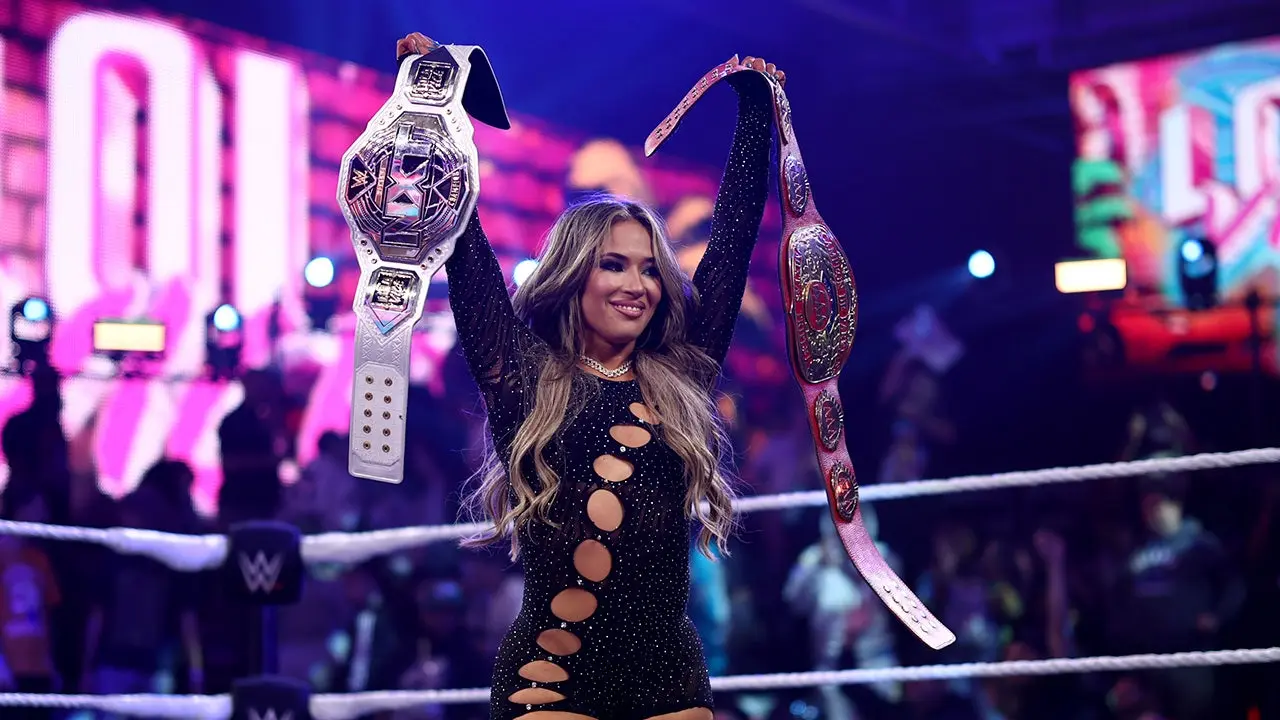
The women’s division in NXT has long been heralded as one of the most consistently innovative and competitive talent pools in the entire world, and the rise of superstars like Lola Vice and Zaria in 2026 has only elevated that prestigious reputation. Lola Vice, known in her previous life as Valerie Loureda, brought a highly decorated background in Bellator MMA and a lifetime of high-level martial arts training to the WWE Performance Center, transitioning her legitimate striking power into a mesmerizing, dance-infused wrestling style. Vice represents a new breed of female performer who embraces her cultural heritage, her vibrant personality, and her lethal athletic credentials in equal measure, proving that a woman can be incredibly glamorous while simultaneously possessing the capability to knock an opponent unconscious in a fraction of a second. Standing directly in her path of dominance is Zaria, a powerhouse performer whose imposing physical presence, dark mystique, and punishing in-ring style offer a stark, captivating contrast to Vice’s explosive, rhythmic offense. The clash of these unique personalities and fighting styles represents the true heart of NXT’s creative philosophy: pitting disparate human stories and athletic disciplines against one another to see who bends and who breaks under the bright lights of weekly television.
Behind the polished, high-energy presentation that television viewers see each week lies the grueling, unglamorous daily reality of life at the WWE Performance Center, where the true identity of the June 2026 roster is forged. A typical day begins long before the sun transitions from the cool Florida morning to the oppressive afternoon heat, with athletes arriving for intense strength and conditioning coaching, followed by hours of fundamental in-ring drills under the watchful eyes of legendary veterans. It is a place of profound vulnerability, where former NFL players, Olympic weightlifters, and independent wrestling icons stand shoulder to shoulder, receiving harsh, constructive criticism on everything from the way they run the ropes to the inflictions in their voices during acting and promo classes. The mental toll of this environment is immense; contracts are constantly evaluated, injuries can derail years of hard work in an instant, and the looming fear of being cut sits at the back of every athlete’s mind. Yet, out of this intense pressure comes a deeply bonded community of performers who comfort one another through physical pain, celebrate each other’s creative breakthroughs, and pool their passenger vans together to travel to small, local armories for weekend live events, keeping the old-school wrestling spirit alive in an increasingly corporate world.
Ultimately, the journey through NXT is defined by a paradoxical truth: every athlete on the roster is working tirelessly to leave it behind. The ultimate goal remains the prestigious main roster of Raw and SmackDown, where global stadium tours, lucrative merchandise contracts, and pop-culture immortality await those who can successfully navigate the developmental pipeline. When an NXT superstar finally gets their “call-up,” it is a bittersweet graduation, leaving behind the intimate, supportive family environment of Orlando for the demanding, exhausting routine of a traveling global brand. The June 2026 roster, featuring the likes of Tony D’Angelo, Myles Borne, Lola Vice, and Zaria, serves as a living, breathing blueprint for the future of WWE, showcasing the diverse backgrounds, unique life struggles, and brilliant artistic visions that will headliner WrestleMania in the decade to come. It is this human element—the raw, unfiltered combination of ambition, vulnerability, physical sacrifice, and the universal desire to be heard—that continues to make NXT much more than just a developmental system, transforming it into a compelling theatre of real human dreams unfolding in real-time.