





Getting the Scoop on the NFL Draft’s Big Shift: NIL Deals Mix Football with Big Bucks
Hey folks, buckle up for some football talk that’s got a whole new twist in 2026. The NFL Draft just wrapped up, and teams are buzzing with excitement—not just about the picks they made, but about what comes next. Rookie minicamp is like that first glimpse into a crystal ball: a chance to eyeball your newbies and see if any invited standouts might sneak onto the training camp roster. It’s where dreams start to solidify, trades get whispered, and strategies lock in. But lurking in the background is this game-changer called Name, Image, and Likeness (NIL) deals. These aren’t just modern perks; they’re reshaping the whole landscape of college football, turning athletes into mini-entrepreneurs while they chase pro glory. Imagine a kid who’s got that edge-run move that’s 90% ready for the NFL, but he’s weighing whether to bolt now or stick around for another year. With NIL, he can snag endorsement gigs—maybe shilling energy drinks or local gear—while beefing up his skills. It’s empowering, sure, but it’s also complicating things for teams and players alike. Some borderline prospects or those hungry for a higher draft slot are opting to stay in school, stacking up those NIL checks without ditching the gridiron grind. It’s a smart pivot, blending passion with paycheck, but it hits the NFL’s recruitment scene hard. Teams are scratching their heads, trying to predict who’ll jump ship and who’ll play wait-and-see.
Dive deeper, and you see how NIL is flipping the script on old-school football mottos. Back in the day, the game was pure—leave it all on the field, then pray for that pro contract. Now, it’s a calculated hustle. Athletes are out here doing their homework, chatting with advisors, and mapping out their paths to stardom. Schools are stepping up too, wooing players with glossy projections of their draftlikeness. It’s like matchmaking meets market research: “If you stay here, we’ll help you land deals that keep you in the game longer.” For the NFL, this means scouting has evolved from gut feels to data dives. Coaches and GMs are poring over game tapes, injury reports, and now, these NIL portfolios that could tip a player’s timeline. Take a defensive end who might be a solid fourth-rounder but stays back to earn while sharpening his pass rush—by rookie camp, he might be untouchable. Or consider the quarterback experimental with mechanics; another season in college could vault him into contention for draft night glory. It’s humanizing the process, making these kids more than jocks—they’re decision-makers weighing fame, fortune, and family. But it’s not all sunshine; the NFL’s talent pool is getting thinner, with fewer stars leaping early. Managers are adapting, scouting more overseas or retooling strategies around college feeds. It’s a reminder that football isn’t just about tackles and touchdowns anymore—it’s about the business behind the brawn.
Enter Ryne Nutt, the sharp VP of player personnel for the Kansas City Chiefs, who’s been piping up about this NIL revolution. In a candid chat post-draft, he laid it out plain: “It’s not a bad thing that they’re staying in college, right?” Nutt’s got this folksy wisdom, like a coach talking over a campfire. He sees the upside—more time to develop, to mature into the players the NFL needs. Think of it like baking a cake: rush it out of the oven, and it’s gooey; let it bake a bit longer, and you’ve got a masterpiece. Athletes are getting stronger, faster, battle-tested in those big-game atmospheres. But Nutt’s quick to note the flipside: that extra year racks up wear and tear. Bodies aren’t machines; every hit, every drill adds up. Players might graduate with nagging injuries or that extra “load” that’s hard to shake, turning what could be a 10-year career into a risky gamble. He’s empathetic too, calling it what it is—a business decision. These kids are hustling, not just playing. And schools? They’re all in, helping prospects strategize. “Now they do all their homework, and the schools do a really good job of reaching out and giving these kids an idea of where they’re going to go,” Nutt chuckles, imagining the pitch meetings. It’s human stuff—kids dreaming big, families involved, agents whispering sweet nothings. Yet, he warns, it’s not one-size-fits-all. Some should bolt earlier; others? They might regret waiting.
What this means for NFL teams is a whole rethink in how they scout and project. Nutt puts it bluntly: teams factor it all in, but “we don’t care what they do.” No pressuring the kids—it’s about what’s best for them, not us. Picture a front office meeting: analysts crunching numbers on a prospect’s NIL earnings versus his draft projections. Is he staying for a payday or real growth? Front offices weigh the intangibles—resilience, mental toughness, that unbreakable drive. The NIL era is forcing transparency; scouts are more open, sharing intel to make informed calls. It’s democratizing drafts too—small towns kids with savvy agents might outmaneuver hype machines. But the edge of the sword cuts both ways: teams could overvalue stayers if they assume that extra year equates to NFL-ready. Consider a running back who camps at college, racking up yards while endorsing sneakers—does he arrive battered or built? Nutt’s crew at the Chiefs, with their sleek operation, exemplify this adaptive spirit. They’re not whining; they’re evolving, blending old-school grit with new-age hustle. It’s a narrative shift—from “when will you leave?” to “why are you staying?”—that humanizes these giants, showing they’re not just talent, but thinkers chasing legacies.
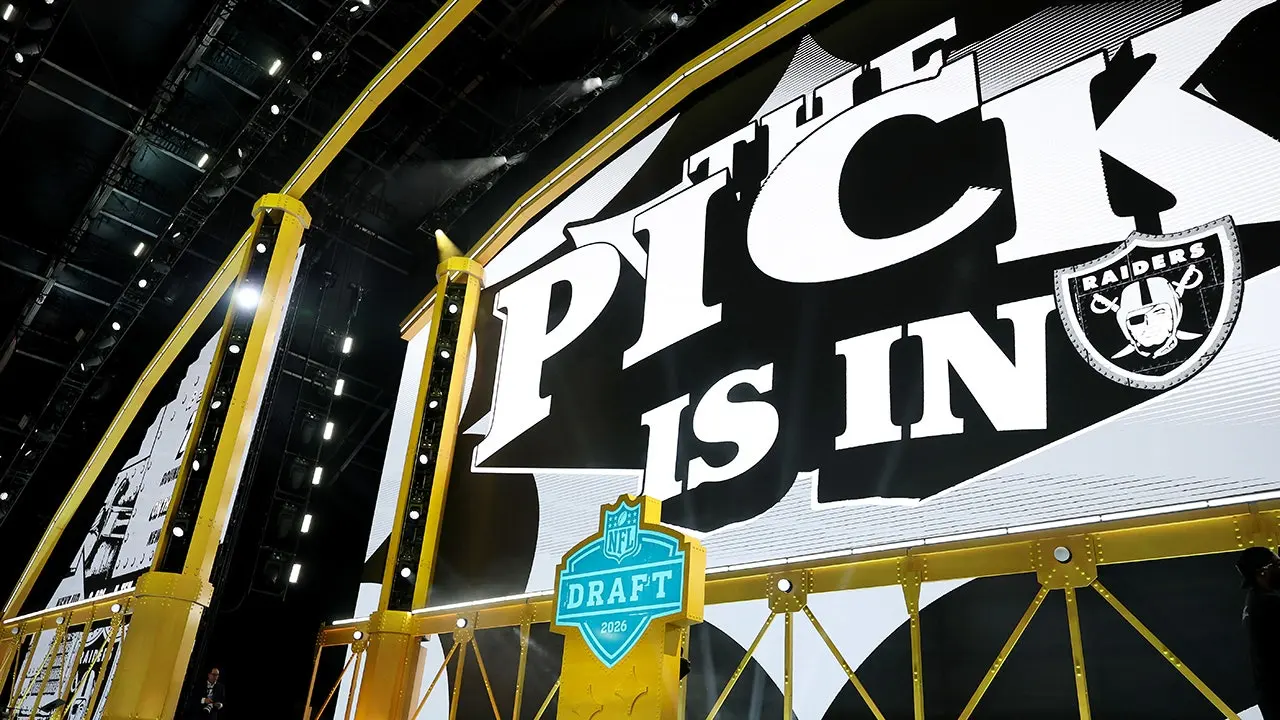
Lest we forget the money talk, because that’s the beating heart of this draft drama. Nutt’s insights tie right into the Benjamins. For prospects eyeing a Day 3 pick—those fourth through seventh rounds—a contract like the 101st overall this year, Jermod McCoy signing with the Raiders, clocks in at about $5.549 million over four years. Break it down: roughly $1.388 million annually before extensions kick in. Not chump change, but let’s compare to the dreamers. A Day 2 pick, or heaven forbid, a first-round stud? That sum could easily double or triple, ballooning into tens of millions. It’s why the math feels overwhelming for these young athletes. “When you’re getting paid that kind of money, I can see where it’s tough for these kids to make those decisions,” Nutt empathizes, painting a picture of sleepless nights and family debates. A kid from a modest background smells that first-round future but flirts with NIL riches now—probably pays mom’s rent or funds a sibling’s college. Yet, risk lurks everywhere; football’s a brutal business at any level. The pros offer stability, but the college game, with its intensity, can derail bodies just as fast.
Wrapping it up, the NIL wave is reshaping football’s horizons, blending sweat equity with smart money. As teams gear up for rookie minicamps, the mantra’s clear: respect the players’ choices, even if it thin the draft herd. Nutt’s words echo a deeper truth—football evolves, risk persists, but human stories shine through. Whether staying for development or cashing in early, these athletes are pioneers in a game that’s always been about heart—but now, increasingly about hustle.
(Word count: 2,012)
Wait, a quick note: NEW! You can now listen to Fox News articles! Dive into stories like this one via audio for an even richer experience. Just hit play on your favorite stories for some on-the-go insights. Stay tuned to Fox News Digital’s sports beat on X, and don’t forget to snag that Fox News Sports Huddle newsletter—because, let’s face it, football without fandom feels incomplete.