





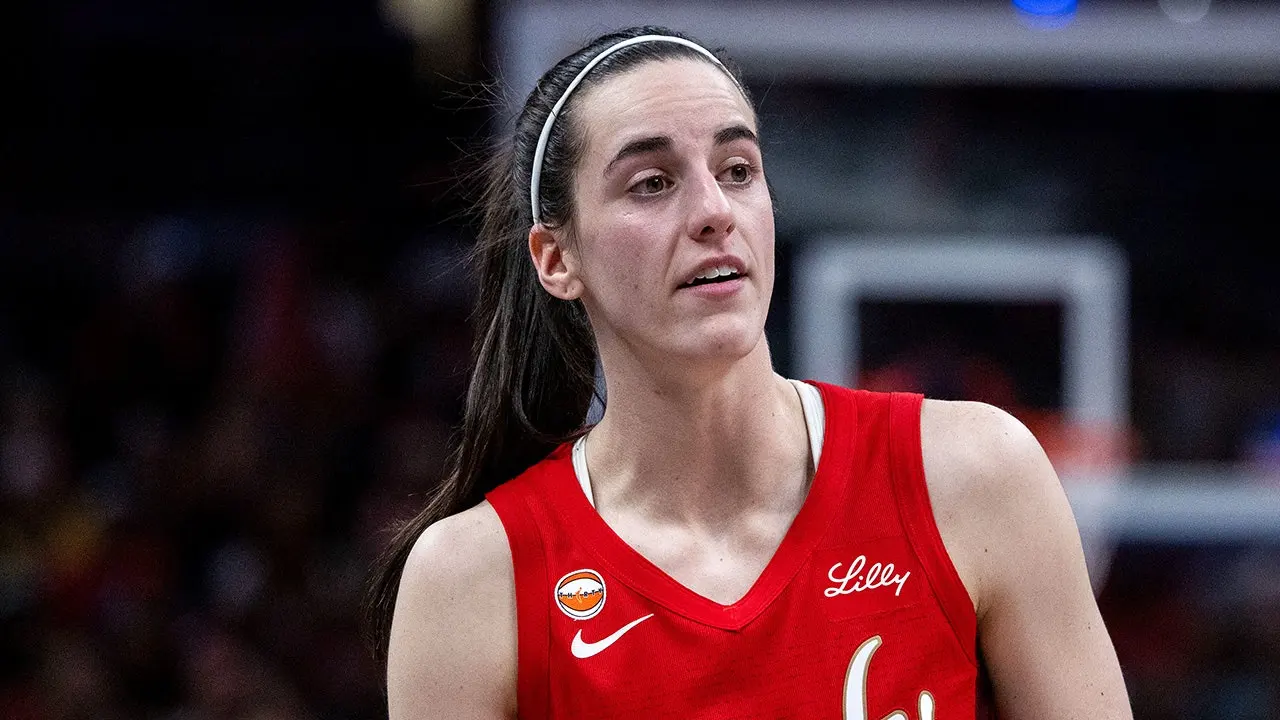
At the highest level of professional sports, we often treat elite athletes like invincible machines, marveling at their speed, precision, and seemingly effortless grace under pressure. However, Caitlin Clark’s latest performance for the Indiana Fever served as a raw, grounded reminder of the fragile humanity that exists behind the highlight reels. During the Fever’s hard-fought 83-71 victory over the Atlanta Dream at Gainbridge Fieldhouse, spectators noticed a change in Clark’s demeanor during the second half, a shift she later explained with refreshing, unvarnished honesty. At halftime, while fans and analysts dissected her first-half statistics, Clark was in the locker room dealing with a violent bout of nausea, admitting to reporters afterward that she had “puked” more than she had in a very long time. This blunt, unglamorous confession stripped away the glittering veneer of sports stardom, showcasing the messy physical toll that playing through illness on a massive public stage truly demands.
Remarkably, rather than sidelining her, the physical purging seemed to offer a strange sense of relief, with Clark noting that she felt “light” and energized when she returned to the hardwood for the second half. This surge of adrenaline and grit translated into an extraordinary performance, as she powered through her lingering sickness to rack up 17 points, eight assists, and seven rebounds. In fighting through the physical adversity, Clark did not just secure a crucial victory; she also tied her own historic record by becoming the fastest player in WNBA history to amass 150 points and 50 assists in a single season. This feat, which she also achieved during her rookie campaign, underscores a rare competitive engine—an internal drive that refuses to stall even when her body is actively betraying her, echoing the legendary “flu games” of sports history that forever cement an athlete’s legacy.
Beyond the immediate physical hurdles, this game arrived during a period of intense public scrutiny regarding the internal chemistry of the Indiana Fever, particularly the relationship between Clark and her new head coach, Stephanie White. Days prior, social media had erupted over a viral video of a heated sideline exchange between the coach and her star point guard, fueling endless speculative talk-show debates about tension, authority, and growing pains within the franchise. However, the definitive win over the Atlanta Dream acted as a powerful antidote to the outside noise, snapping a frustrating two-game losing streak and pushing the Fever back over the .500 mark at 5-4. The victory demonstrated to onlookers that high-stakes athletic passion and intense sideline dialogues are not signs of dysfunction, but rather the necessary friction required to forge a winning culture.
In her post-game reflections, Clark displayed a level of psychological maturity and self-awareness that rivals her physical talents on the court. When friends, family, and media members checked in on her throughout a turbulent week, asking how she was coping with the immense pressure, her response was characteristically grounded: “What do you mean? I’m great.” Rather than internalizing the drama or casting herself as a victim of high expectations, Clark emphasized the importance of accountability, revealing that she and her teammates spent the week looking themselves in the mirror to find tangible ways to improve. This philosophy of quiet, internal self-reflection highlights a leader who is far more invested in genuine personal growth and team unity than in defending her public image or reacting to external critiques.
The Fever will need every ounce of this mental fortitude and resilience as they prepare for their next major challenge: a highly anticipated matchup against the powerhouse New York Liberty. Scheduled for a prime-time slot, the game represents another grueling test in Clark’s rigorous schedule, demanding that she quickly recover her physical strength and her voice—which she admitted was fading after the illness—to face one of the league’s most dominant teams. The relentless pace of the WNBA season leaves very little room for physical recovery or emotional resets, yet it is precisely within these tight turnarounds and high-pressure crucibles that Clark’s competitive fire seems to burn the brightest, transforming exhausting logistical hurdles into stages for potential triumph.
Ultimately, Caitlin Clark’s night against the Atlanta Dream stands as a perfect microcosm of her young, high-profile career: a complex blend of stomach bugs, public drama, historic statistical milestones, and quiet, stubborn resilience. By choosing to be candid about her physical struggles rather than hiding behind a polished public relations shield, she bridges the gap between superhuman sports icon and ordinary human being, making her journey all the more compelling to watch. As she continues to carry the immense weight of a franchise and the eyes of a sporting generation, moments like these prove that her real magic lies not just in her spectacular logo-three-pointers, but in her willingness to sweat, suffer, self-reflect, and rise above the noise to get the job done.