


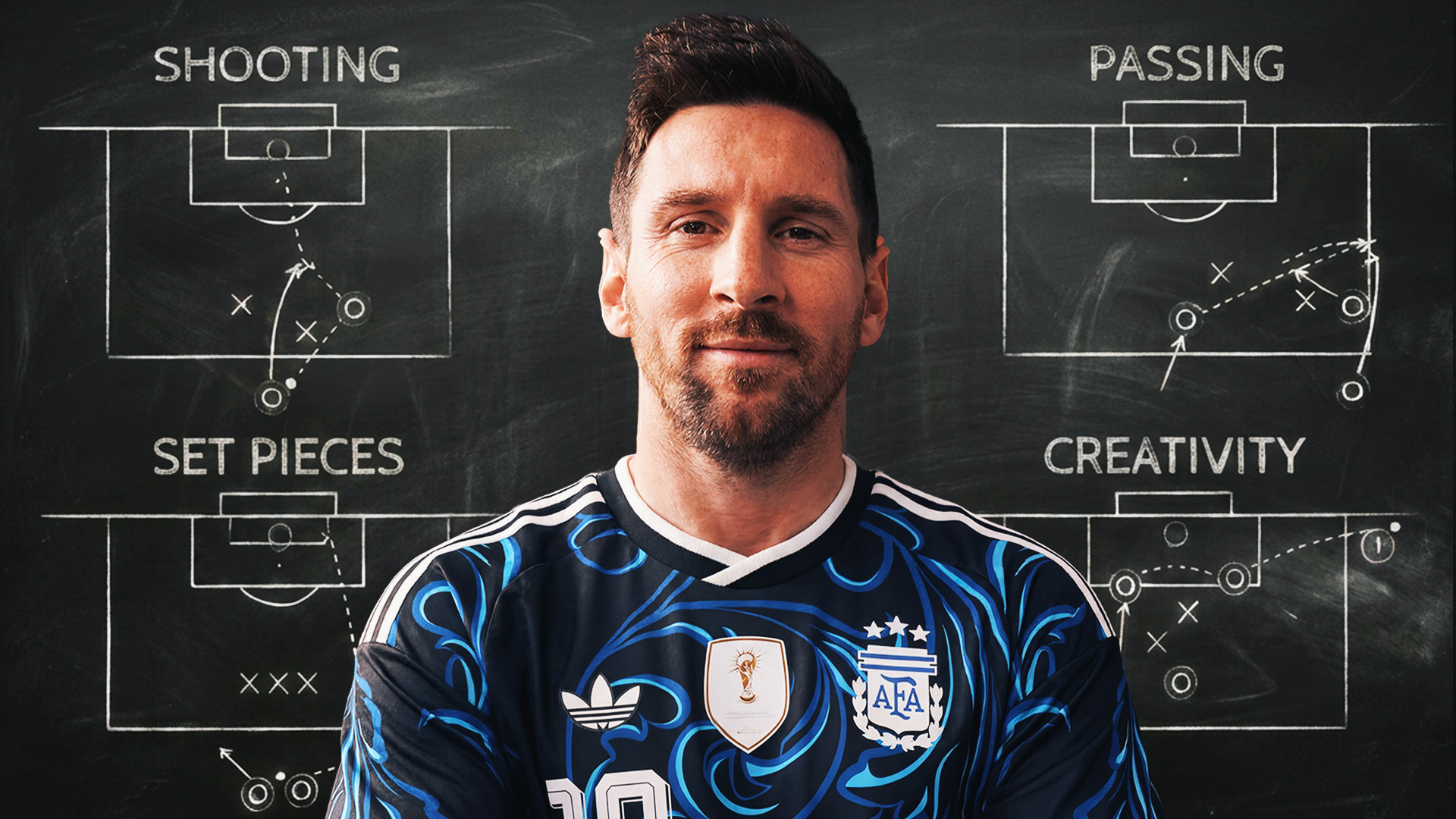
At 39 years old, Lionel Messi is rewriting the soccer history books once again, turning the 2026 World Cup into his personal masterpiece. As Argentina prepares to clash with Spain in a highly anticipated final on July 19, the legendary playmaker has defied the passage of time to deliver one of the most dominant tournament runs in modern sports history. With a staggering eight goals and four assists over seven matches, Messi is not merely participating in the twilight of his career; he is orchestrating the tempo of global football. Odds-makers have taken notice, placing him at a staggering -800 to claim an unprecedented third Golden Ball award, and +100 to capture the Golden Boot. Behind these spectacular numbers lies a narrative of sheer, unadulterated genius that transcends basic box scores and captures the imagination of fans worldwide.
To truly appreciate Messi’s magic in this tournament, one must look beyond the raw goal tallies and explore the deeper, analytical metrics of his play. Tied with Kylian Mbappé for the tournament’s goal-scoring lead, Messi has showcased his lethal precision from all areas of the pitch, notably tying for the most goals scored from outside the penalty box with two. He has relentlessly pressured opposing defenses by unleashing 34 total shots, the most of any player, and testing keepers with 18 shots on target. His expected goals metric (5.31 xG) reflects a player who constantly finds high-quality scoring opportunities, while his 5.75 expected goals on target demonstrates his clinical ability to place those shots exactly where they will cause the most trouble. It is a masterclass in offensive efficiency, proving that even as his physical sprint speed naturally adapts with age, his spatial awareness and execution remain entirely unmatched on the world stage.
What truly elevates Messi’s 2026 campaign into the realm of the extraordinary, however, is his dual identity as both the ultimate finisher and the world’s most elite playmaker. While hunting for his own goals, he has simultaneously served as Argentina’s primary creative engine, racking up four assists and executing a tournament-leading 21 key passes that directly resulted in shots for his teammates. His expected assists (4.12 xA) lead all players, proving that his passes are not just frequent, but devastatingly precise. Whether whipping in a tournament-high 49 crosses, threading 15 defense-splitting through balls, or creating 11 distinct chances from set pieces, Messi operates with a mental map of the pitch that seems to run seconds ahead of everyone else. He doesn’t just pass the ball; he choreographs the movement of his teammates, carving open stubborn defensive blocks with surgical precision.
When the ball is at his feet, the Argentine icon continues to hypnotize defenders just as he did as a teenager in Barcelona. Messi leads the tournament with 25 completed dribbles and has initiated 48 one-on-one take-ons, proving he can still bypass elite defenders with his signature drop of the shoulder and unmatched low center of gravity. His poise is reflected in his possession metrics, where he averages a remarkable 63.6 seconds per possession—the second-longest duration among all forwards. Rather than rushing his decisions, he slows the game down to his own hypnotic tempo, culminating in a tournament-best 76 possessions that ended in a shot. He has created 25 total chances and 8 “big” clear-cut goal-scoring opportunities, demonstrating an unrivaled ability to transform harmless midfield possession into immediate, high-stakes danger.
This unique combination of longevity and active excellence has allowed Messi to shatter several historic milestones during this tournament run. By securing 21 career World Cup goals and 12 assists, he now holds the records for both the most goals and the most assists in tournament history since record-keeping began in 1966. His consistency is almost hard to believe, having scored or assisted in 11 consecutive World Cup matches. In a glittering display of endurance, his performance against Algeria made him the oldest player ever to score a World Cup hat trick at 39 years of age, while another assist against Egypt made him the first player to set up a goal in six different World Cup tournaments. With 33 matches played and 23 victories under his belt, he stands alone as the most experienced and winningest player the competition has ever seen.
As the world stops to watch Argentina battle Spain on July 19, the match represents more than just a quest for another trophy; it is a celebration of a living legend operating at the absolute peak of his cognitive powers. Messi has now scored against 15 different nations across his World Cup career, matching Mbappé with 17 non-penalty goals in tournament history. He has been involved in 13 separate sequences that ended in a goal, and his participation in 121 long-passing sequences of nine or more passes is 35 more than his closest forward rival, the young phenom Lamine Yamal. This final hurdle presents a poetic clash of generations, but with the numbers, the momentum, and the footballing gods seemingly on his side, Lionel Messi’s historic 2026 journey is primed for a fairytale ending that will be talked about for generations to come.