





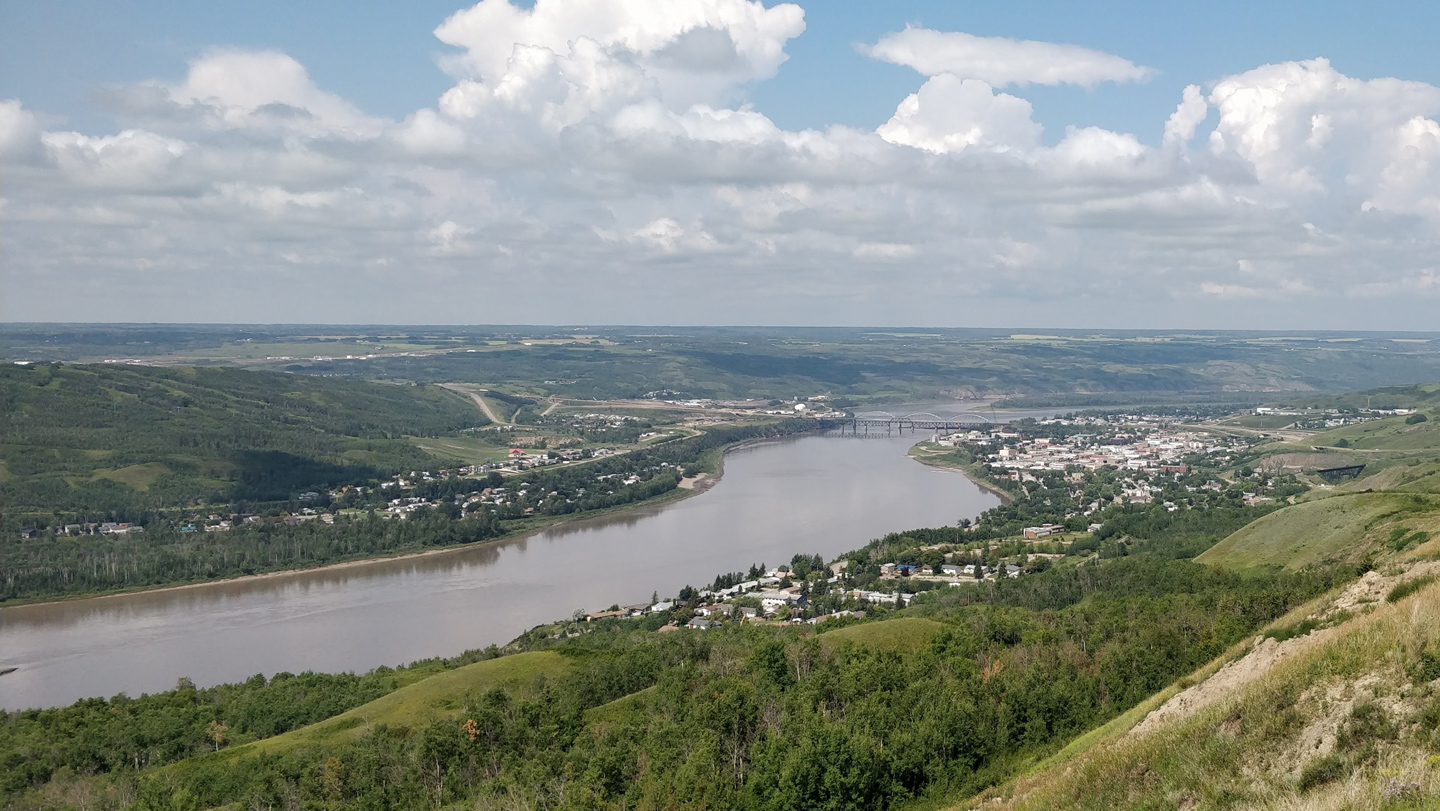
A landmark study in 2015 was the first to conclusively show that fracking triggered dozens of earthquakes in Ohio. Since then, numerous studies have confirmed that human activities involving injecting fluids into the ground—like hydraulic fracturing (fracking), enhanced geothermal energy, or wastewater disposal—can trigger earthquakes. Most of these rumbles are relatively small, but some are powerful enough to shake nearby communities. For example, a magnitude 5.6 quake in 2022 was caused by wastewater injection during oil extraction near the town of Peace River, Canada.
Regulatory agencies worldwide have adopted a “traffic-light protocol” to manage this growing seismic hazard. A green light means injection operations can proceed at full speed. When seismic data suggest a potentially damaging quake might be imminent, the light turns yellow, and operations are halted. Ideally, this warning provides enough time to shut down before the light turns red, preventing a major disaster.
Small foreshock earthquakes are the primary way operators at fracking sites know the light has turned yellow. However, there is little understanding of what causes these foreshocks or how often they truly signal a more dangerous mainshock, according to Bei Wang, a geophysicist at Zhejiang University of Technology in Hangzhou, China, and his colleagues.
Wang and his team analyzed seismic data from western Canada from 2014 to 2024, which included about 70,000 earthquakes. They identified 77 mainshocks of at least magnitude 3 linked to fracking and then searched for smaller foreshocks that occurred within 5 kilometers and five days before each mainshock. The results were striking: foreshocks occurred before 71 of those fracking quakes, or 92 percent of the time. This means that most of the time, there is a yellow warning light giving operators time to halt fluid injection, says Ryan Schultz, a seismologist at ETH Zurich who was not involved in the study. But the bad news is that “8 percent of the time there’s no warning; you would skip right past the yellow light.”
Even within the 92 percent, there was significant inconsistency. Some mainshocks were preceded by a single foreshock, while others had as many as 700 tiny quakes in the days before. Wang and his colleagues propose three general pathways by which injecting fluids underground might lead to foreshocks and then a mainshock: the fluids might progressively weaken the main fracture so it slowly slips; they might increase strain on the region until it suddenly fails; or they might create a domino effect, producing slip on several fractures in succession.
These ideas of earthquake-earthquake interaction have been around since the 1990s, says Schultz, but they remain hypotheses. Different geological systems can have different triggering mechanisms, and improving understanding will require open access to seismic and pumping data collected by companies during their activities. This data availability varies by country and, in the United States, by state. Schultz notes that “a lot of what this study does is raise a problem,” highlighting the flaws in the traffic-light protocol, particularly the possibility of jumping from green straight to red without any warning. “This study is quantifying a bit how often these jumps happen, and what sorts of physical processes are related to creating these jumps.”
Another aspect of improving the protocol is defining what constitutes an unacceptable risk in terms of damages, Schultz says. “Then you set the red light some ways behind that. You want to hit the brakes before you’re at the wall, not as soon as you’re at the wall. There are a lot of complaints about it, but it’s the best solution we have at the moment.”