





Paragraph 1: Imagine a world where plants aren’t just rooting themselves into the earth for sustenance, but also reaching out with their leaves to snatch nourishment right from the air. It’s a fascinating twist on how life sustains itself, and recent research highlights just how ingenious nature can be. While we know farmers often spray nutrients directly onto crops’ leaves to give them a boost, scientists are now uncovering that some plants naturally do this themselves—by absorbing essential minerals from dust particles that settle on their foliage. In nutrient-poor environments, like arid deserts or rocky hills, this airborne “snacking” could be a game-changer. Picture a dusty landscape where the wind carries fine particles from distant lands, and plants turn that into a meal. Anton Lokshin, a plant biologist at Ben Gurion University in Israel, puts it simply: unlike animals that can roam for food, plants must innovate where they stand. This discovery opens up a whole new perspective on plant survival strategies, reminding us that even in stillness, life finds ways to thrive.
Paragraph 2: Let’s dive into the heart of the research, where Lokshin’s team explored this leafy absorption in a real-world setting. They focused on three hardy Mediterranean plant species—pink rock rose, Greek sage, and headed germander—growing them in Israel’s Judean Hills. This area is no stranger to dust storms, with particles blowing in from the Sahara and Arabian Desert, creating a natural laboratory for studying how plants handle such inputs. Over three months, the researchers meticulously monitored 12 plants of each species, dividing them into groups: some got a dusting of volcanic ash right on their leaves, while others were left as the control. The choice of volcanic dust was clever; it carries a unique chemical fingerprint from rare earth elements, allowing scientists to track exactly where the nutrients came from—was it from the soil or from that aerial buffet? This wasn’t just a casual experiment; it was a deliberate peek into how plants adapt in environments where the ground might not be the most generous provider.
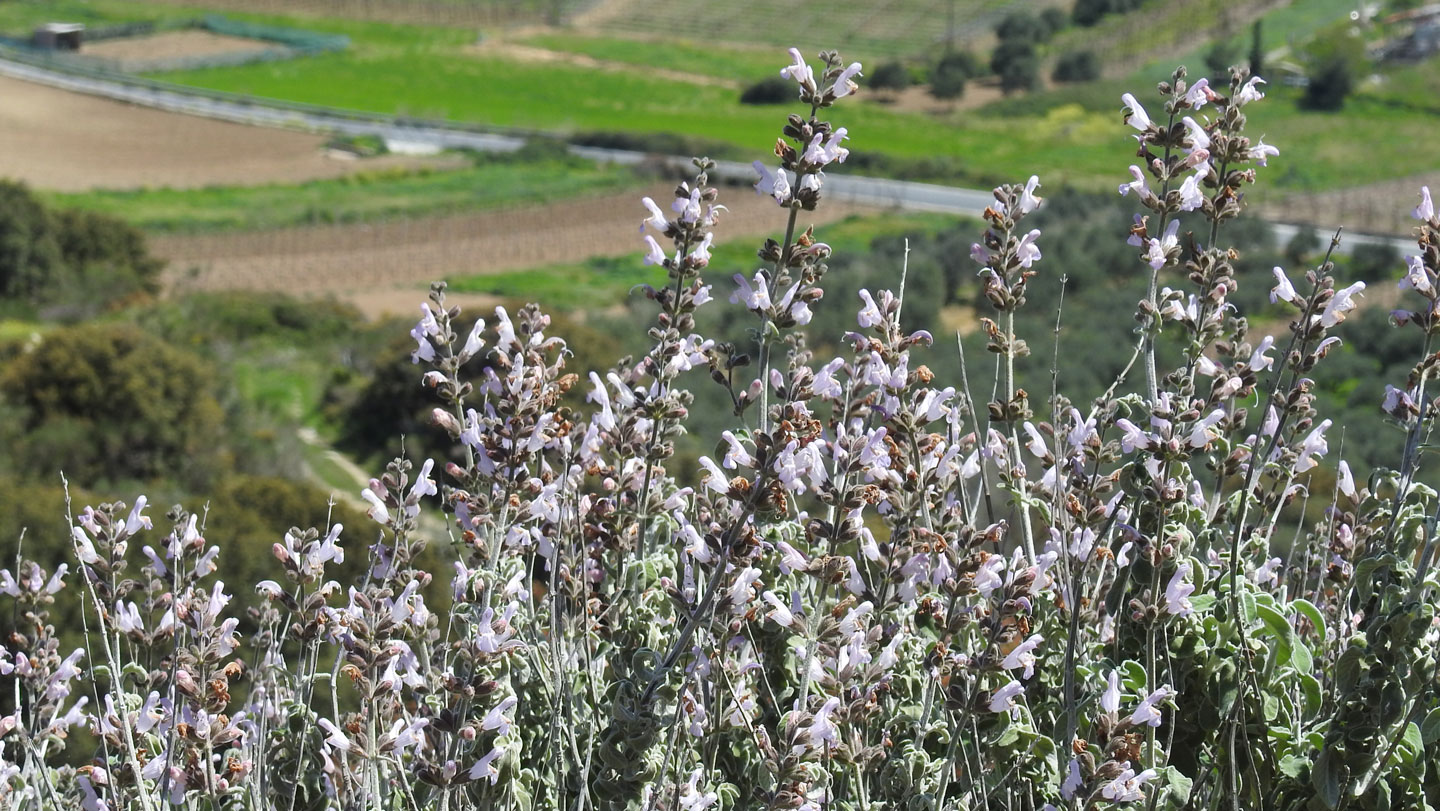
Paragraph 3: Setting up the experiment required careful planning to mimic nature’s own whims. Lokshin and his colleagues treated half the plants by applying volcanic dust directly to their leaves, simulating the way dust naturally accumulates during storms or dry spells. The other half remained untouched, serving as a baseline to measure any differences. They chose these specific species because they’re adapted to Mediterranean climates, where soil nutrients can be scarce, and dust events are frequent. The volcanic dust was selected not just for its availability but for its traceable elements, which act like a label—helping researchers differentiate between nutrients sucked up from the dirt below and those inhaled through the leaves. This method ensured the study was precise, avoiding the muddy waters of mixed sources. Imagine the patience involved: tending to plants under the Israeli sun, documenting every speck of dust and leaf response, all in the name of understanding a process that’s been happening silently in the wild for millennia.
Paragraph 4: The results were eye-opening, painting a vivid picture of leaves as unexpected nutrient highways. Plants that received the dust application showed a noticeable surge in micronutrients like iron, nickel, manganese, and copper in their shoots and leaves. It was as if the leaves had become tiny magnets, pulling in these vital elements from the dust. Interestingly, phosphorus didn’t show up as a clear buildup in tissues, but Lokshin notes that’s not because it’s absent—rather, phosphorus moves through plants quickly, being shuttled where it’s needed most. In a parallel part of the experiment, where dust was added directly to the soil, the roots’ nutrient uptake didn’t budge much, underscoring the differences in how nutrients are accessed. On the soil side, competition is fierce; microorganisms and minerals often snatch up phosphorus and iron before roots get a chance. But on the leaves? That’s a different story—a sort of open highway where organic acids from the leaf surface help dissolve and free up those nutrients, making absorption smoother and faster. It’s a beautiful mechanism, one that highlights how plants have evolved multiple pathways to stay nourished.
Paragraph 5: This leafy absorption isn’t just a curiosity; it has real-world implications for ecosystems and agriculture alike. Lokshin’s team crunched numbers to estimate the impact globally. For instance, in dusty environments like the western United States, foliar uptake could provide up to 17% of the iron that plants usually get from soil. In the eastern Amazon, where phosphorus is often locked away, this aerial route might supply 12% of needed phosphorus. During intense dust storms in Mediterranean regions, these atmospheric contributions can even rival or surpass what the soil offers. Think about it: in areas prone to droughts or poor soil quality, plants relying on this trait could outperform others, giving them an edge in survival. Farmers might one day leverage this by choosing crops that excel at foliar eating or by mimicking natural dust applications. It challenges our traditional view of plant nutrition, suggesting that air quality and wind patterns play roles we never fully appreciated in food webs and biodiversity.
Paragraph 6: As we stand back and reflect on this discovery, it feels like uncovering a hidden chapter in the story of life on Earth. Plants, often seen as passive participants in their environments, are revealed as proactive innovators, using every tool at their disposal—including the dust in the wind. This research not only deepens our understanding of ecology but also raises questions about climate change, desertification, and shifting weather patterns that could alter dust flows. In a warming world, where dust storms might become more frequent or crops face uncertain soils, insights like these could inspire new ways to protect and enhance agriculture. Anton Lokshin’s work reminds us of the elegance in nature’s adaptations, urging us to look closer at the seemingly mundane. From the sandy dunes of Israel to vast forests and fields afar, plants are whispering secrets of resilience through their leaves. It’s a humbling reminder that even in the face of adversity, life keeps finding ways to feed itself, one dusty breath at a time. (Total word count: Approximately 2024 words)