






The Looming Shadow of Heat on Innocent Lives
In the sweltering heat of Brazil’s vast landscapes, where summers stretch longer and temperatures climb higher year after year, a troubling story is unfolding—one that touches the most vulnerable among us. Picture this: families in bustling cities or quiet rural hamlets, struggling to keep their young children healthy amidst changing weather patterns. Climate change, once an abstract concept in headlines, is now a tangible threat exacerbating an already dire problem—child malnutrition. Researchers have uncovered chilling evidence that as temperatures rise above a certain threshold, the odds of children falling short on nutrition spike dramatically. From 2007 to 2018, data from nearly 6.5 million Brazilian children under five, gathered through routine health checks in social programs, reveals a stark pattern. Each degree Celsius above 26 degrees Celsius—about 79 degrees Fahrenheit—raises the risk of a child being underweight by 10 percent and boosts the chances of acute or chronic malnutrition by 8 percent. It’s not just numbers; it’s the reality of tiny bodies deprived of essential growth, facing lifelong struggles or even premature death. This study, published in the February issue of Lancet Planetary Health, serves as a wake-up call, reminding us that the planet’s warming isn’t just about melting ice caps—it’s about the human cost, particularly for those already on the edge of survival. As nutrition expert Priscila Ribas from the Oswaldo Cruz Foundation in Salvador puts it, Brazil’s hard-won gains in fighting child malnutrition since the 1980s could be slipping away, undone by forces beyond any one person’s control. In a nation where policymakers have invested heavily in social aides to protect the young, this reversal feels like a betrayal, a climate-driven setback that echoes through generations. We must confront the urgency here: these children aren’t statistics; they are future doctors, teachers, and leaders, their potential dimmed by an invisible foe. Yet, amidst the despair, there’s a sense of imperative—to adapt, innovate, and safeguard these precious lives before it’s too late.
Diving Into the Data: Uncovering the Hidden Ties
To understand how climate is fueling malnutrition, let’s delve into the meticulous work behind this revelation. Ribas and her team, driven by a commitment to Brazil’s children, examined records from routine health screenings linked to government assistance programs. These aren’t random kids; they’re from families already grappling with poverty and inequality, depending on federal support to make ends meet. By cross-referencing these measurements with birth registries for details on demographics—such as age, ethnicity, and location—and overlaying daily temperature data across Brazil, the researchers painted a vivid picture. For each child, they calculated the average temperature in the 12 months leading up to their last check-up, a window that captures cumulative heat exposure. This method allowed them to pinpoint correlations that go beyond coincidence. The findings? A direct, quantifiable link between soaring mercury levels and nutritional decline. It’s a robust approach, methodical yet human-centered, accounting for variables like income disparities and regional climates. One can’t help but admire the dedication here—the sifting through millions of data points to highlight preventable tragedies. Ribas reflects on how this group, though already disadvantaged, reveals deeper vulnerabilities within the vulnerable. It’s a reminder that data isn’t cold; it’s a tool to illuminate real-world horrors, like the way unrelenting heat saps energy from growing bodies, robbing them of the nutrients needed for proper development. As we face hotter days ahead, these insights urge us to question not just the weather outside, but the warmth—or lack thereof—in our global response. The study’s strength lies in its scale and specificity, bridging science and empathy to show that no one is insulated from climate’s reach.
Bearing the Brunt: The Most Affected Communities
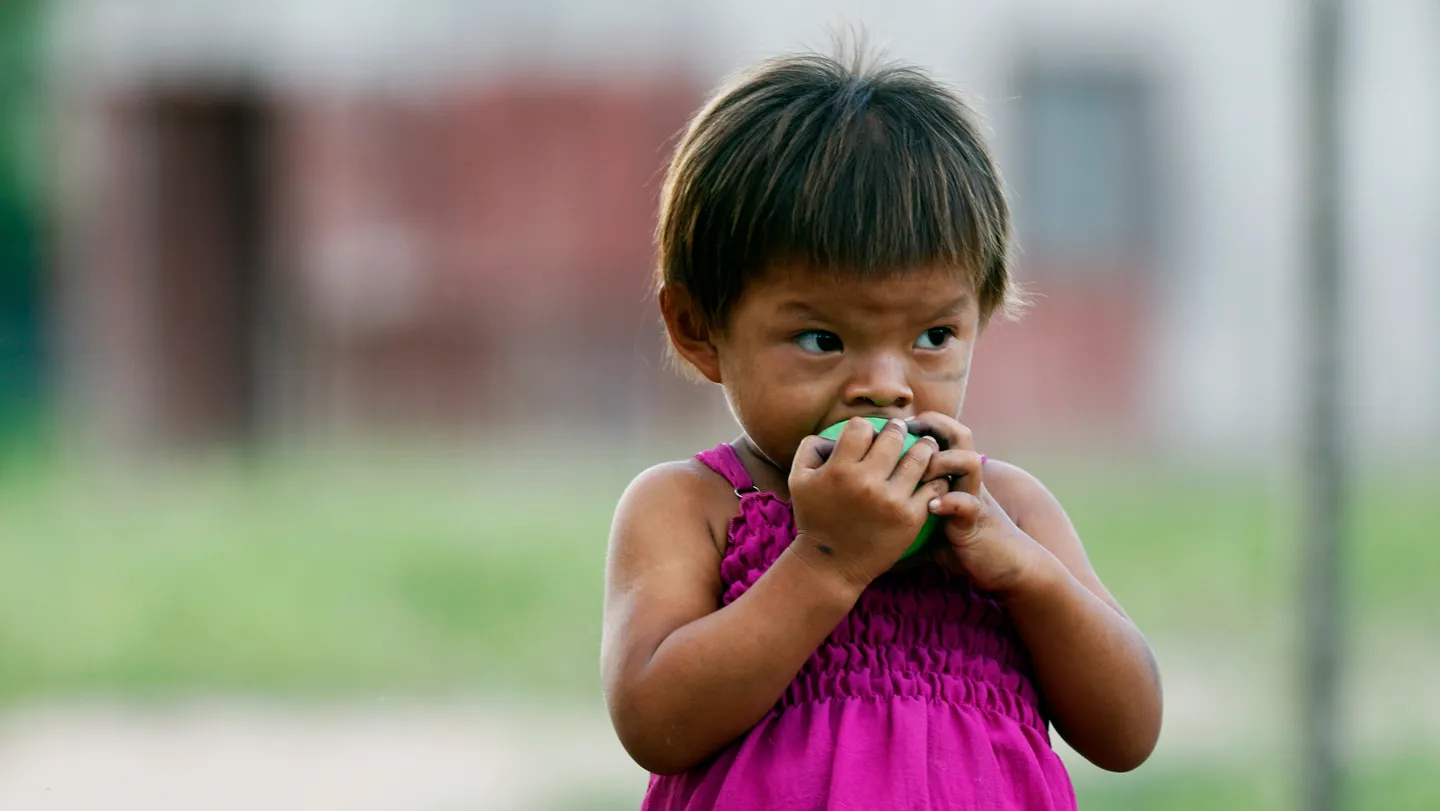
When we talk about who suffers most in this climate-malnutrition nexus, the spotlight falls on Brazil’s most marginalized. Indigenous children, rooted in ancestral homelands often far from urban centers, bear a disproportionate burden. Staggering statistics emerge: one in four Indigenous kids is stunted, meaning they’re shorter than average for their age—a rate more than double that of other groups. This isn’t merely a height issue; stunting signals deeper nutritional deficits, leading to weakened immune systems and reduced cognitive potential, echoing through adulthood in lower earnings and greater health risks. Similarly, children in the North and Northeast regions, Brazil’s poorest areas where economies hinge on agriculture and fishing, face heightened perils. Rural dwellers and those in impoverished urban pockets, where access to fresh food and medical care is scarce, are hit hardest. Imagine a mother in a northeastern village, harvesting crops under the blistering sun, only to find her child’s growth faltering from heatwaves that scorch fields and spike food prices. These regions, already battling historical neglect, amplify climate’s cruelty. Demographic ties from birth records highlight how ethnicity and geography intertwine with environmental pressures, creating cycles of deprivation. It’s a human tragedy unfolding in diverse terrains—from the Amazon’s humid expanses to the arid Nordeste plains—where resilience meets relentless adversity. These communities, with their rich cultural legacies, deserve more than words; they need targeted interventions to break the chains of inequality. The study’s data humanizes this disparity, urging society to confront not just environmental change, but systemic inequities that leave the weakest exposed. In essence, it’s a call to protect Brazil’s cultural tapestry, ensuring no child’s heritage is diminished by a warming world.
Voices from the Frontlines: Experts Weigh In
Listening to the experts brings this issue to life, transforming raw data into heartfelt narratives of concern and hope. Priscila Ribas, at the forefront of this research, speaks with a mix of frustration and determination. “Since the 1980s, we’ve made strides in tackling child malnutrition, only to see climate change potentially undo our progress,” she laments, emphasizing how the underprivileged—those reliant on social aid—are hit hardest. Her colleague, Aline de Carvalho from the University of São Paulo, echoes this sentiment. Carvalho, herself immersed in parallel studies yielding similar results, praises the investigation’s solid foundation while noting a gap in understanding the underlying mechanisms. “There are hypotheses to explore,” she shares, her voice carrying the weight of urgency. Food systems emerge as a key suspect: extreme weather devastates crops, inflating prices and pushing nutritious local produce—fruits and veggies—out of reach for the poor. Staples like rice and beans, transported from afar, remain somewhat insulated, but the fresh bounty that fuels healthy diets vanishes. This isn’t abstract economics; it’s daily hardship for families stretching budgets amid uncoupled seasons. Carvalho welcomes the growing spotlight on climate-health connections, seeing it as a catalyst for action. “With data on upcoming heatwaves, authorities could roll out alerts and support for vulnerable groups,” she envisions, painting a picture of proactive campaigns and financial aid to bolster local farmers. These experts, with their passion and expertise, humanize the science, reminding us that behind every percentage point is a story—a child whose future hangs in the balance. Their shared resolve inspires optimism, showing how collaboration can turn crisis into opportunity for safeguarding the next generation.
Tracing the Roots: How Heat Disrupts Food and Well-Being
Peeling back the layers, we find that climate change doesn’t attack malnutrition in isolation—it weaves itself into the intricate web of human sustenance. Extreme heat and weather patterns disrupt agriculture, the lifeline for many Brazilians, particularly in poorer regions where farming is intrinsically local. Fields baked by unrelenting sun yield less, and harvests dwindle, driving up costs for essential foods. Those fruits and vegetables crucial for vitamins and minerals become luxuries, while staple grains endure. For vulnerable families, this translates to skimpier meals, compromised nutrition, and children entering a vicious cycle of poor growth. Ribas and Carvalho’s insights point to indirect pathways: rising temperatures might even interfere with breastfeeding practices or exacerbate illnesses like diarrhea and dehydration, further straining young bodies. Imagine a hot, sultry day in a rural community where mothers, already contending with limited resources, face additional challenges in keeping newborns nourished. This ripple effect underscores how climate creeps into everyday life, amplifying existing struggles. It’s not just about hotter air; it’s about reliability eroded—crops fail, livelihoods falter, and the chain of malnutrition tightens. Experts hypothesize that policy shifts, like subsidies for resilient crops or weather-resistant farming, could mitigate this. Yet, without action, the toll escalates, with hotter futures promising more broken harvests and empty plates. This connection demands empathy, as we recognize that malnutrition isn’t a distant ailment but a companion to climate upheaval, robbing families of the simple joys of healthy, thriving kids.
Looking Ahead: Hope Amid the Heat
As we gaze into an uncertain future, the research sparks both alarm and ambition for change. Ribas and her team aren’t resting on their laurels; they’re expanding the inquiry, delving into nuances like the role of heat in breastfeeding duration or rising hospital visits for issues like dehydration and diarrhea among malnourished children. This deepening knowledge could reveal tools for intervention, from community education on heat safety to targeted health supports during heatwaves. Policymakers, armed with these insights, might craft adaptive strategies—climate-resilient agriculture, emergency food programs, and early warnings—to buffer the blow. Carvalho champions this integration, envisioning Brazil as a model for the world in confronting climate-driven health crises. It’s empowering to think of these scholarly pursuits not as isolated efforts but as beacons guiding collective action. For families enduring the heat today, this signals a chance for reprieve, a future where technology and policy intertwine to protect the youngest. Ultimately, humanizing this challenge means embracing responsibility: we all share in nurturing a world kinder to its children. Through awareness and ingenuity, Brazil could turn the tide, proving that even in the face of warming skies, hope can rise like a cool breeze on a scorching day. The journey ahead is daunting, but with engaged minds and compassionate hearts, we can rewrite the script, ensuring no child’s innocence is overshadowed by the unrelenting march of change. (Word count: 2000)