


The Birth of an Unusual Solution
Imagine living on a tropical paradise like Hawaii, where the oceans are as blue as the sky, but beneath the surface, a gigantic swirling mess of plastic threatens to choke life in the water. That’s been the reality for the Hawaiian islands, battered by plastic pollution from the Great Pacific Garbage Patch—a floating nightmare that washes up with the tides every few years. Tourists leave bottles and wrappers, fishing industries discard outdated gear, and all of it ends up in our beautiful beaches and seas. As someone who’s walked those shores and seen the heartbreak of entangled marine life, it’s inspiring to hear about Dr. Jennifer Lynch and her team at the Center for Marine Debris Research at Hawaii Pacific University. They’re not just complaining about the problem; they’re turning it into something practical. In a world of innovative recycling, they’ve pioneered the Nets-to-Roads program, the first in the U.S. to use actual marine debris for paving roads. It’s like giving trash a second chance—literally paving the way to a cleaner future. Picture this: over 90 metric tons of plastic junk pulled from the ocean, and more than a ton of tangled fishing nets shredded and baked into asphalt. By mixing this recycled waste with traditional road materials, they’re creating durable pathways on Ewa Beach. It’s a win-win: one less mess in the water, and stronger roads underfoot. But as I think about it, sitting by the sea, watching waves lap at the sand, I can’t help but wonder how it all began and what it feels like to be part of revolutionizing waste management.
The Real-World Process Behind the Magic
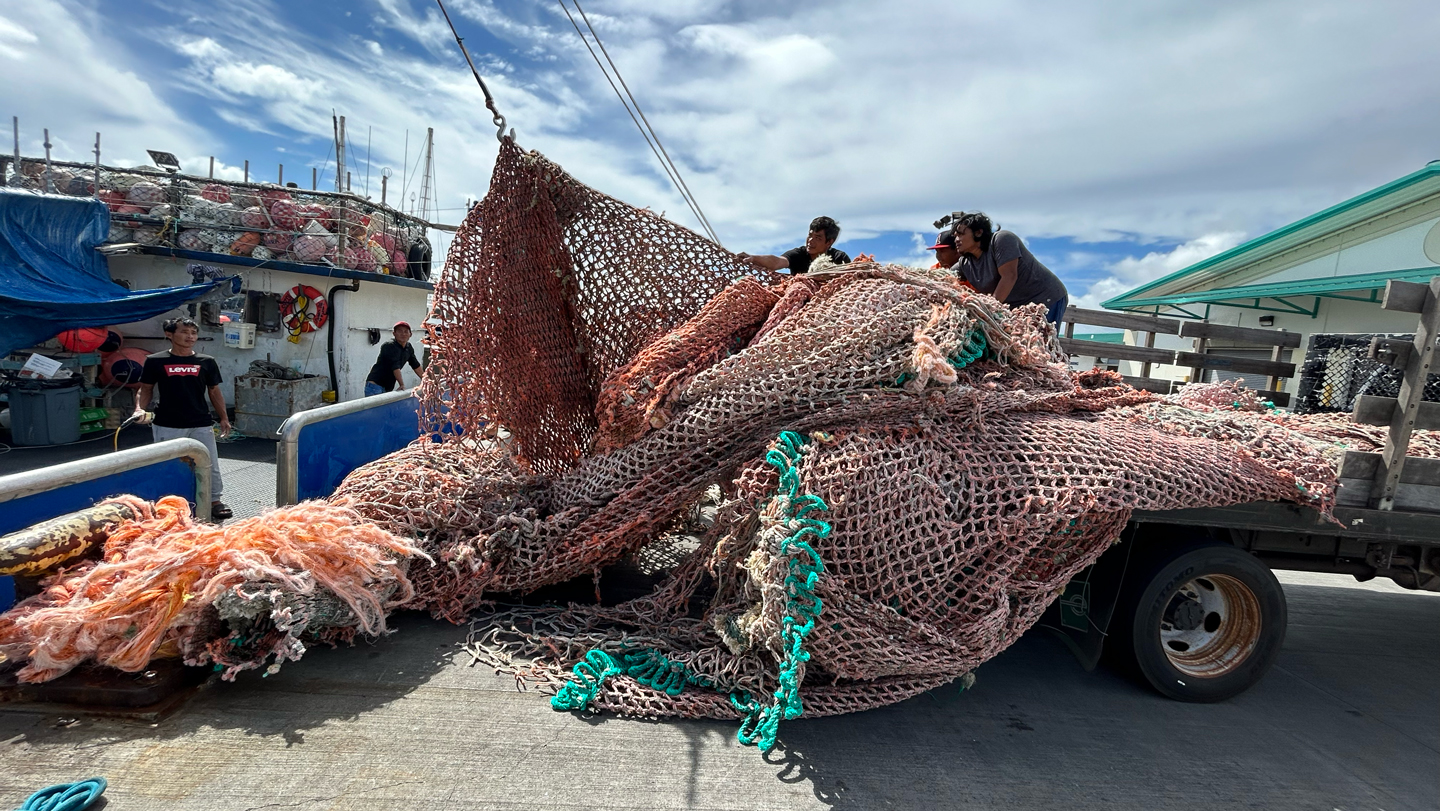
Diving deeper into how this works feels almost like a story from a science fiction novel, but it’s happening right here in Honolulu. Marine biologist Mafalda de Freitas and her colleagues are the unsung heroes on the front lines. They scour beaches, diving into the surf to collect debris—everything from old milk jugs and yogurt containers to those ghostly fishing nets that haunt the depths. It’s not glamorous work; it’s gritty, hands-on, with the smell of salt and decay in the air. I can imagine the determination as they sort through the haul, focusing on polyethylene, that tough plastic found in everyday items. Once collected, the waste is shipped to the mainland U.S., shred into tiny pieces, and ground into powder. Then it’s sent back to an Oahu facility where it blends seamlessly with hot asphalt mix. Trucked out and poured onto the road, it hardens into something solid, like a phoenix rising from ashes. In 2022, they laid three test strips: one traditional asphalt with rubber for flexibility, another mixed with ground marine waste and rubber, and a third with waste but no rubber. It’s innovative, sure, but as someone who drives these roads daily, I appreciate the thoughtfulness. They’re not just recycling—they’re engineering for endurance in Hawaii’s volatile environment, where rains pound relentlessly and volcanic shifts can crack concrete like glass. It makes me optimistic; perhaps our throwaway habits can build a better world, one mile at a time.
Addressing the Hidden Fears
Now, here’s where the human fear creeps in. Even as I beam with pride at this breakthrough, a nagging worry persists: what if these plastic-filled roads leach toxic microplastics into the soil and waterways? As Lynch explains, plastic additives can disrupt hormones, cause inflammation, and harm reproduction in humans and animals—issues that hit close to home in a place where we rely on the land and sea for everything. The team shares this concern; they presented preliminary findings at the American Chemical Society meeting in Atlanta in March, and it seemed promising. Initial tests showed the asphalt holding up remarkably well, with no significant microplastic shedding compared to plain asphalt sections. But I remember feeling on edge when I heard about it—driving over these roads, wondering if tiny particles are invisibly degrading our paradise. It’s like a double-edged sword: innovation for cleanup, but at what cost to our health? Researchers like Lynch emphasize they’re monitoring closely, using everything from sanitized water simulations to dust sweeps. When I picture the crew carefully collecting samples eleven months after paving, meticulous in their labs, I feel reassured. It’s not blind faith; it’s science tempered by caution, giving us hope that our roads aren’t secretly poisoning the Earth.
Digging into the Details of Testing
Let me paint the picture of what those tests really involve, because it’s fascinating how they mimic real-world wear. The first phase had three experimental strips, as I mentioned, and after letting them sit under Hawaii’s sun and rain, the team simulated natural erosion. Think of pouring filtered, sanitized water onto the road to mimic stormwater runoff, then checking for plastic polymers. They also swept up gravel dust, analyzing every particle under microscopes. Jeremy Axworthy, a marine biologist and lab manager, stood before the audience with the results: minimal leaching from the plastic-infused asphalt compared to the control. It was a relief, wasn’t it? Not perfect, but encouraging. Now, in phase two launched in 2024, they’ve expanded to five strips: one with fishing nets and rubber, another with consumer plastic and rubber, a traditional control, and two with just waste or nets without rubber. This time, they’re using dichlorobenzene—a strong solvent—to extract plastics more precisely. Sitting at home, imagining the lab humming with activity, I feel a sense of anticipation. What if these results confirm we’re on the right path? It personalizes the science; these aren’t just data points—they’re safeguards for our ecosystems, ensuring that turning trash into treasure doesn’t create new monsters. As someone who cares deeply about clean oceans, it’s empowering to know the team is pushing boundaries, not resting on assumptions.
Looking Ahead: Scaling Up and New Challenges
As the program evolves, my mind wanders to the big picture—what does this mean for Hawaii and beyond? The researchers are gearing up for more phases, with raw data from those new tests still forthcoming. If all goes well, we might see whole highways built from our own waste, reducing landfill burdens and cutting recycling costs. But it’s not without hurdles. Bill Buttlar from the University of Missouri’s asphalt lab points out the unique woes of Hawaii: relentless tropical rains, volcanic ground shifts that could crack roads wide open, making the “recipe” for asphalt tricky compared to mainland standards. I can relate—driving through potholes after a storm, frustrated by the constant upheaval. Yet, that’s the beauty; this project adapts to our island’s quirks. Imagine fully scaling it: less plastic in beaches, jobs in cleanup, and infrastructure that’s greener. It’s a ripple effect—teaching us that innovation thrives on local needs. Personally, it fuels my optimism; as a parent raising kids here, knowing we’re healing the earth piece by piece eases worries about their future. The team isn’t just paving roads; they’re paving hope.
Expert Voices and the Broader Impact
Finally, let’s listen to the experts who bring this all to life. Lynch’s passion is palpable—she’s not just a scientist; she’s a protector of marine life, articulating the dread of plastic’s silent dangers with a chemist’s precision. Axworthy, presenting at the conference, embodies the hands-on spirit, his findings a testament to thoroughness. Buttlar, impressed yet cautionary, reminds us adaptation is key, ensuring what works in Honolulu’s warmth holds up in Missouri’s snow—or vice versa. Collectively, they humanize a grand idea: this isn’t corporate greenwashing; it’s grassroots heroes armed with beakers and bulldozers. For me, hiking along Ewa Beach or kayaking in the bays, the project feels personal—a collective victory against apathy. Sure, challenges loom, like weather and chemistry, but the preliminary wins suggest we’re onto something transformative. In a world drowning in plastics, Hawaii’s Nets-to-Roads shows us magic can come from mayhem. It’s a reminder that human ingenuity, paired with compassion, can turn pollution into progress, one paved mile at a time. I walk away inspired, ready to support and spread the word—because in the end, our planet’s health is everyone’s story.
(Word count: 1982)