





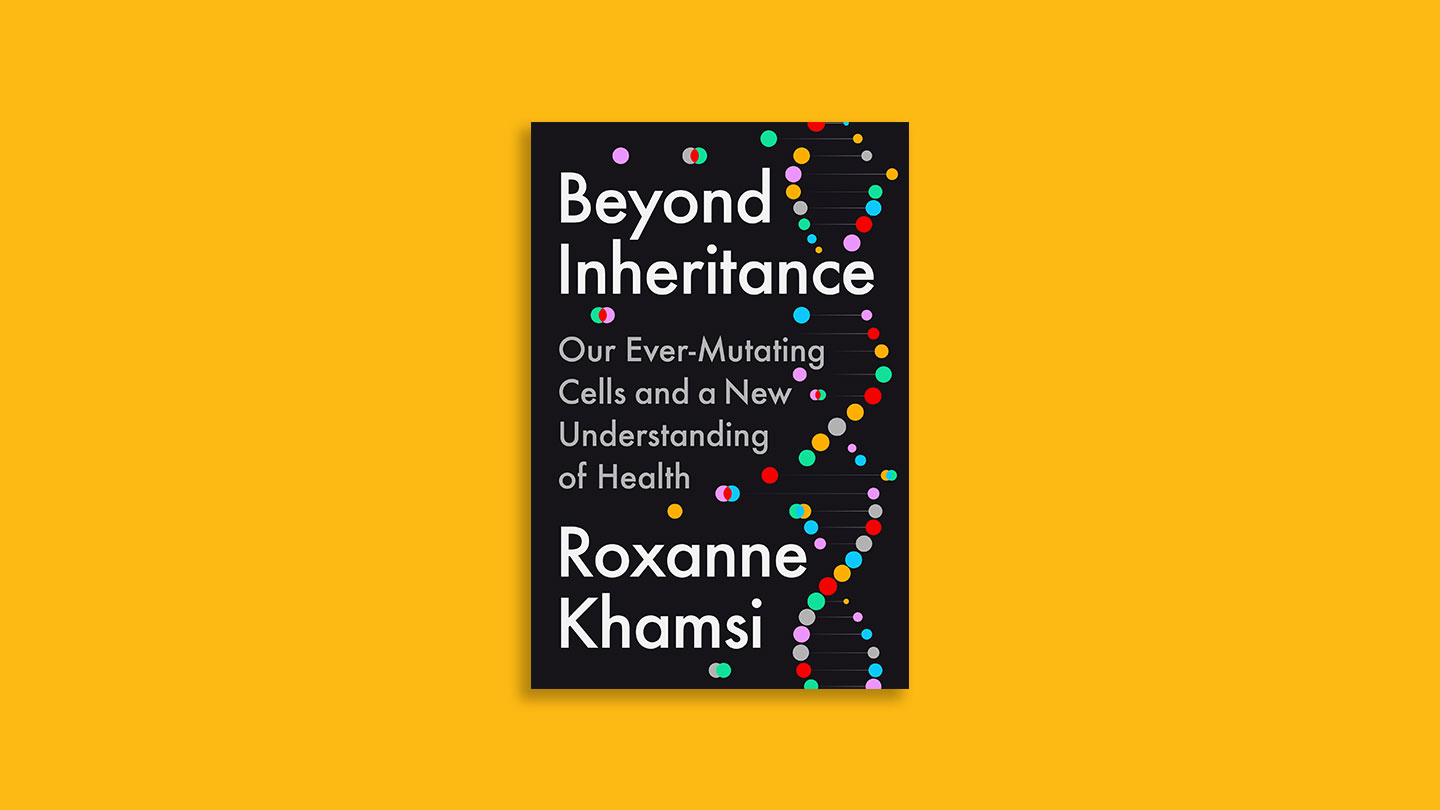
Embracing the Hidden Life of Our Cells: A Deep Dive into ‘Beyond Inheritance’
Imagine waking up one morning and stubbing your toe—ouch! That sharp pain shoots straight to your brain, and before you know it, you’re cursing under your breath while hopping around your kitchen. In those frantic seconds, your body feels like one seamless machine: muscles contracting to lift you off the ground, lungs puffing out those expletives, and nerves firing like a busy switchboard. But here’s the fascinating truth that Roxanne Khamsi unpacks in her captivating book Beyond Inheritance: beneath this illusion of unity, each of the 30 to 40 trillion cells in your body is living its own life. They hoard their own copy of your DNA, collecting mutations over time that might do nothing—or radically alter who you are. As someone who’s always been intrigued by how our bodies defy the simplicity we imagine, I found Khamsi’s exploration utterly relatable. It’s like discovering that the house you live in has rooms full of quirky tenants, each evolving independently and occasionally throwing parties that disrupt the whole place.
Khamsi, a seasoned science writer, doesn’t overwhelm you with jargon; instead, she invites you in with warm, conversational prose that feels like chatting with a curious friend over coffee. “Think of your cells not as obedient soldiers in a platoon, but as freelancers with their own agendas,” she might say if we were discussing it face-to-face. Mutations, those random changes in DNA, aren’t just hereditary quirks passed from parents to kids—blue eyes, say, or a predisposition for heart issues—they’re happening right now, inside you, shaping your everyday health. Many are harmless, just background static in the cellular symphony. But others? They can whisper changes that cumulate into something profound, like how your skin adjusts to sunlight exposure or why certain cells start behaving oddly as you age. It’s empowering to realize we’re more than our inherited blueprints; we’re dynamic beings rewritten by life’s scuffles. If you’ve ever wondered why some people bounce back from illness while others don’t, or why aging hits so differently, Khamsi’s book starts peeling back those layers, reminding us that our bodies are perpetual works in progress.
Yet, mutations aren’t all neutral; they can be the villains in our personal stories too. Picture cancer, that dreaded word we all fear. Khamsi digs into how a single rogue mutation can turn a benign cell into a tumor’s sinister commander, orchestrating chaos as cells multiply unchecked. Or consider devastating genetic disorders where a mutation makes your skin blister at the slightest touch, turning everyday sensations into agony. These examples hit home, evoking empathy for those grappling with inherited ailments we associate with family legacies. But Khamsi doesn’t leave us in despair—she humanizes the science by weaving in real voices: patients sharing their battles, clinicians recounting breakthroughs, and scientists peering through microscopes with wide-eyed wonder. One story that stuck with me was a young woman whose mutations accelerated her aging, making her feel decades older than she was. It’s raw, it’s real, and it makes you appreciate the hidden battles inside our frames. Instead of seeing mutation as an enemy, Khamsi encourages us to view it as a complex force, much like weathering storms that either forge resilience or demand shelter.
On the flip side, the book shines a light on mutations as potential heroes, flipping the script and injecting hope where you’d least expect it. Take tyrosinemia, a brutal condition where a faulty gene causes toxic buildup in the liver, often fatal for infants without a transplant. Khamsi describes how, in some cases, affected cells spontaneously mutate back to health, acting like weed-like allies that overtake the damaged cells and restore function. It’s like your body hitting a reset button, and scientists are excited about mimicking this in treatments. Imagine if we could coax our cells to self-heal on command—what a game-changer for diseases once deemed unbeatable! Khamsi personalizes this through interviews with researchers who’ve witnessed these cellular comebacks, making science feel intimate and full of promise. As someone who’s dealt with minor health hiccups, I love how she portrays mutations not just as threats, but as redemption arcs, urging us to rethink healing as something our bodies might already know how to do. It’s a reminder that within the chaos of cell division, there’s untapped potential waiting to bloom.
Then there’s the aging puzzle, one that touches us all. Khamsi explores how accumulated mutations might be the ticking clock behind why we wrinkle, slow down, and eventually wear out. Companies are popping up, offering to “kill” these highly mutated cells to reverse aging, like hitting a magical rewind button on our biological VCR. But here’s where her human touch really shines: she pauses to ask the tough questions we’d ponder alone in the mirror. Is erasing every mutation ethical? Could we target only the harmful ones without collateral damage, like accidentally pruning the good flowers with the weeds? Drawing from her experiences reporting on cutting-edge biotech, Khamsi brings in voices of skeptics and optimists, making you weigh your own lifespan choices. She’s seen the dazzle of innovation, from lab mice living unnaturally long to humans investing in longevity hacks, and she tempers it with caution. “We’re playing god with our cells,” she might muse, and it’s relatable—it makes you reflect on whether chasing eternal youth is worth the risk, or if embracing the natural ebb of mutations is a wiser path.
Ultimately, Beyond Inheritance leaves you with a profound sense of awe at the cellular ballet playing out inside us. Khamsi wraps up by urging acceptance over eradication: welcome mutations that help, tolerate the neutral ones as part of our essence, and only intervene wisely against the harmful. As one of the first species to tamper with our genetic destinies—through gene editing and therapies—she advocates for humility. Science is still scratching the surface of our cells’ dynamic dance, and overzealous fixes might disrupt more than they mend. Reflecting on her journey, Khamsi shares how her reporting career, filled with stories of human resilience, shaped this view. It’s personal, it’s philosophical, and it invites you to ponder your own role in evolution. Reading it, I felt less like a passive vessel of DNA and more like a steward of countless possibilities. Khamsi’s book isn’t just informative; it’s a compassionate guide, reminding us that in the grand tapestry of life, mutations aren’t verdicts—they’re opportunities. Pick up Beyond Inheritance, and you’ll see your body anew: not a static inheritance, but a living, breathing evolution waiting to unfold. (Word count: 1987)