





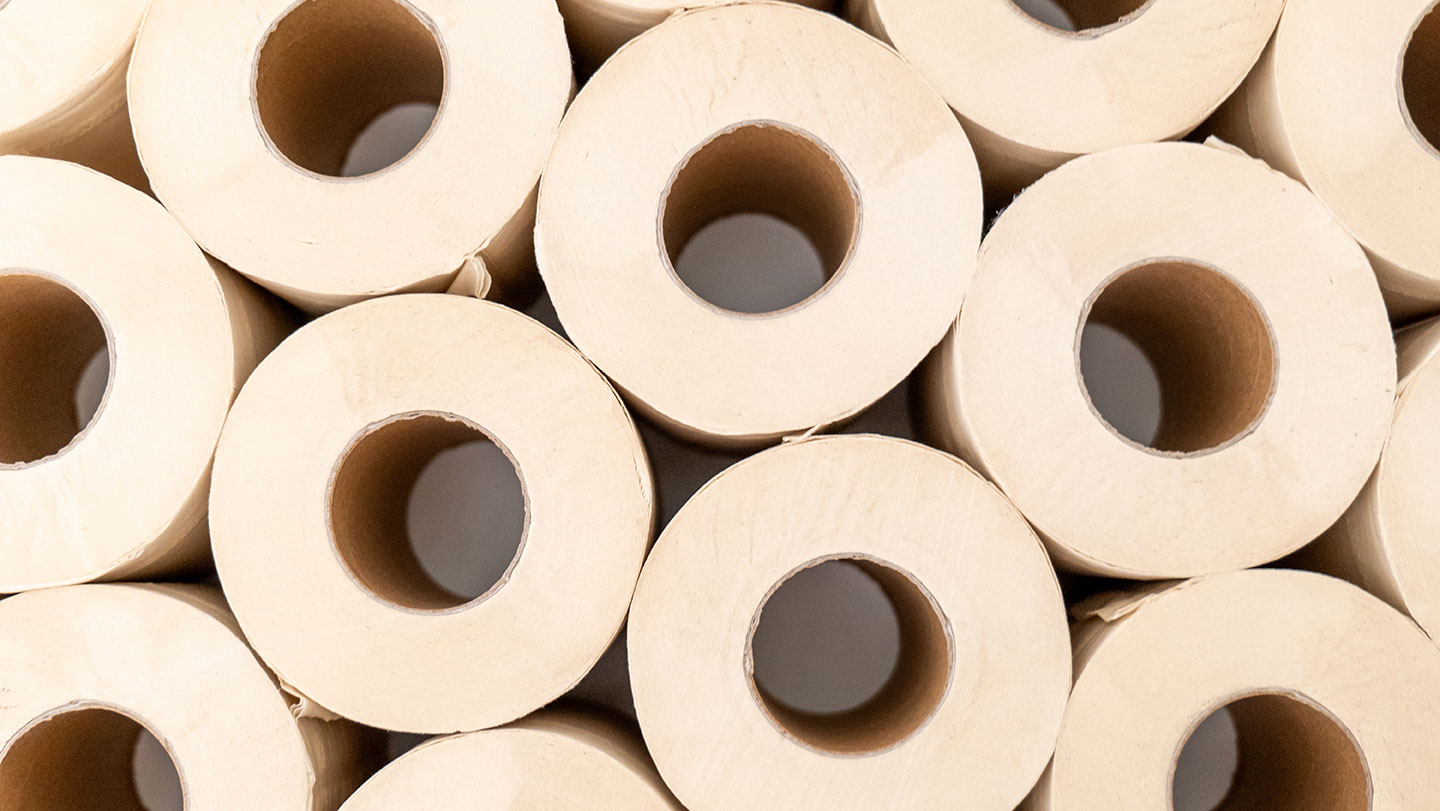
Standing in the grocery aisle, surrounded by towering walls of toilet paper, what should be a simple household chore has transformed into a high-stakes ecological dilemma. Like many consumers trying to tread lighter on the planet, I have been inundated with slick social media ads championing bamboo toilet paper as the ultimate savior for our forests. It is an incredibly seductive pitch: swap your traditional wood-pulp roll for a fast-growing, “tree-free” alternative, and instantly shrink your carbon footprint. However, my initial excitement quickly turned to skepticism when I discovered a glaring catch—every single roll of bamboo toilet paper currently sold in the United States is sourced and manufactured in Asia. The sheer environmental cost of shipping heavy paper products across the globe made me wonder if there was a better way. Could we simply grow commercial bamboo right here at home, offering a lifeline to American farmers—like those in the Southeast whose citrus groves have been decimated by invasive pests—while creating a truly local, sustainable bathroom tissue?
To find out, I reached out to ecologists, and their response was a swift and resounding warning: domesticating bamboo at a commercial scale in the United States is an incredibly dangerous proposition. David Coyle, an invasive species specialist at Clemson University, did not mince words, calling the idea of planting massive plots of bamboo across the American Southeast an absolute disaster waiting to happen. The core of the issue lies in the biology of the plant itself. While there are over 1,400 species of bamboo, the varieties most suited for paper pulp are “running” bamboos. True to their name, these plants spread aggressively via underground networks of runners, establishing themselves so deeply that they are nearly impossible to eradicate once they take hold. Ecologists fear that if a commercial bamboo venture fails, or if a company goes bankrupt, hundreds of acres of this relentless grass will be left abandoned, escaping into local forests and choking out native ecosystems in a way that no amount of mowing or chemical spraying can easily undo.
On the other side of this green divide are optimistic farmers and entrepreneurs who believe that bamboo can be safely tamed with the right agricultural practices. Jamie LeLiever, the founder of National Bamboo, is leading the charge to build a domestic supply chain by partnering with growers across the Southeast. To address the threat of invasion, his company utilizes a specific Chinese running bamboo variety called ‘Henon,’ which produces sterile seeds and has shown a manageable growth rate in their test plots. LeLiever argues that by maintaining wide buffer zones around the fields and mowing them annually, growers can easily halt the advance of new shoots. This vision of a controlled, highly productive domestic crop is incredibly appealing, especially for struggling agricultural communities looking for a resilient lifeline. Yet, invasive species experts like Luke Flory remain deeply skeptical, noting that non-native plants often take decades to reveal their true invasive potential, meaning that today’s manageable crop could easily become tomorrow’s uncontrollable ecological plague.
Beyond the threat of invasion, the actual carbon benefits of bamboo toilet paper are far more complicated than the glowing advertisements suggest. Many eco-brands proudly plaster words like “climate-positive” on their packaging, but scientists warn that these claims are built on very shaky ground. Deah Lieurance, an invasion ecologist at Penn State, points out that there is currently very little scientific research comparing the long-term carbon storage of bamboo plantations to traditional managed pine forests. In fact, recent lifecycle assessment studies have revealed that the overall carbon footprints of bamboo and traditional wood-based bath tissues are remarkably similar when factoring in the entire process of growing, harvesting, and manufacturing. While growing bamboo domestically would certainly eliminate the carbon emissions associated with trans-oceanic shipping, we simply do not have the robust scientific data to prove that cultivating this exotic grass is inherently better for the atmosphere than responsible, local forestry.
When we strip away the clever marketing, environmental advocacy groups point to a much simpler, safer champion already sitting on our grocery shelves: recycled paper. Organizations like the Natural Resources Defense Council closely evaluate toilet paper brands based on their deforestation risks, chemical processing, and overall sustainability. In their rigorous assessments, 100 percent recycled toilet paper consistently earns a pristine “A” grade, while bamboo products walk away with a respectable but secondary “B,” and traditional virgin wood-pulp tissues languish at the bottom with a dismal “D.” This ranking serves as a powerful reminder that reusing the post-consumer waste we have already generated is almost always more environmentally sound than converting land to grow a new crop. Recycled toilet paper requires no agricultural expansion, carries zero risk of ecological invasion, and represents a mature, domestic manufacturing loop that is already up and running.
Ultimately, my quest for a truly green wipe has led me away from the exotic allure of bamboo and back to the basics of conservation. While passionate pioneers like LeLiever dream of a future where millions of acres of Southern soil are dedicated to domestic bamboo paper production, the potential ecological cost of an escaped invasion is a gamble we simply do not need to take. For now, the most responsible choice we can make in the bathroom aisle is to bypass the imported bamboo trend entirely and look for the highest-quality, 100 percent recycled paper options. It may not feel as trendy or novel as wiping with tropical grass, but relying on recycled materials is a quiet, proven victory for the planet. By making this simple switch, we can protect our native forests and keep our local ecosystems safe, proving that sometimes the best way to move forward is to make the most of what we have already saved.