






The Plight of a Tiny Survivor
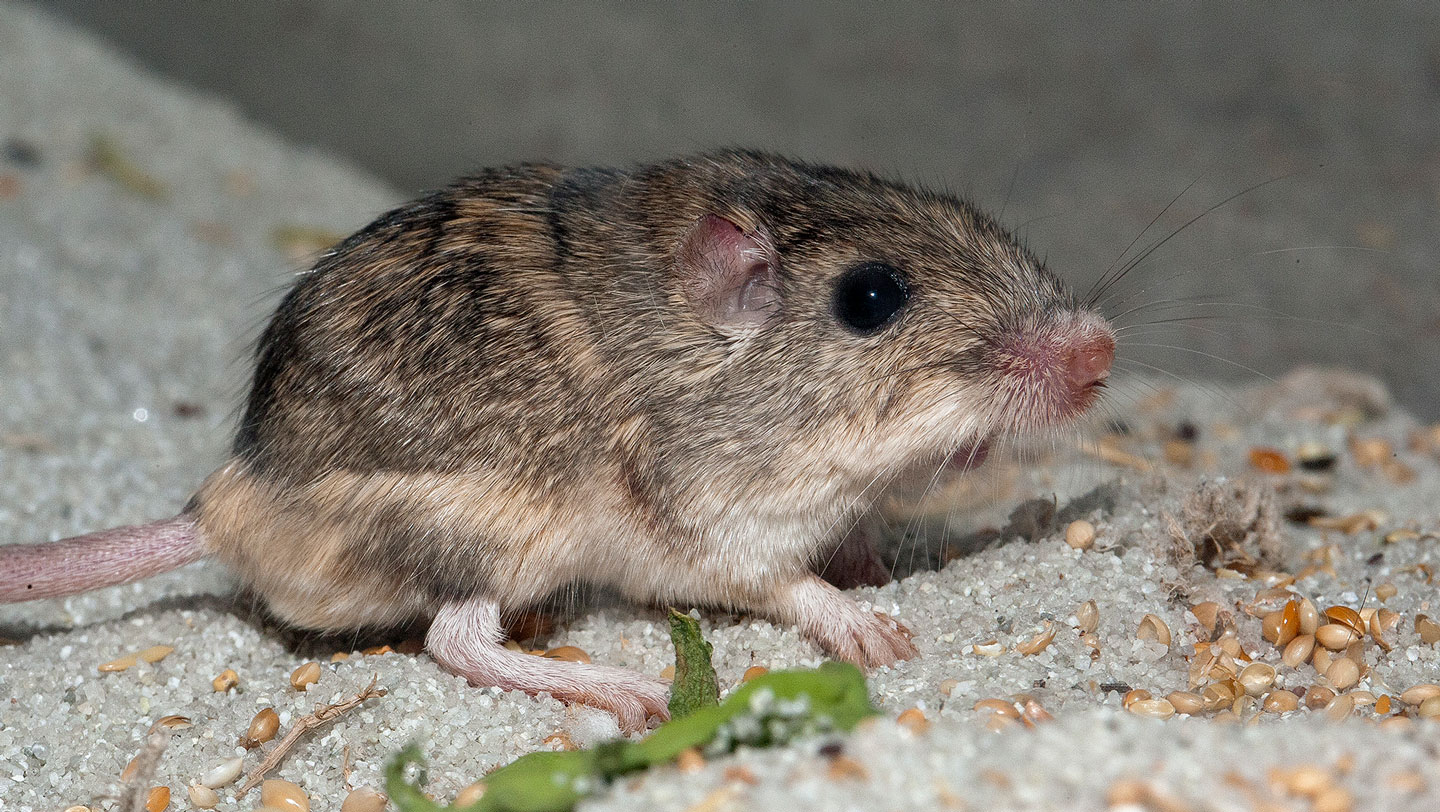
Imagine a little creature, no bigger than a spool of thread, darting through the sandy dunes of coastal California. This isn’t a scene from a fairy tale but the real-life struggle of the Pacific pocket mouse (Perognathus longimembris pacificus), a shy, nocturnal rodent teetering on the edge of extinction. Once thriving along the southern California coast from Los Angeles all the way to Mexico, this endangered species has been largely erased from the map by human encroachment and environmental upheaval. Rediscovered in the early 1990s after more than two decades of being presumed lost—a dramatic twist like finding a long-lost family member—the mouse now clings to life in just three small, isolated pockets south of Los Angeles. Protecting animals that seem insignificant can feel counterintuitive in a world of grand wildlife spectacles, but this tiny mouse embodies a bigger narrative about resilience, adaptation, and the human-induced threats that push even the unassuming toward oblivion. Researchers, like conservation geneticist Erik Funk from the San Diego Zoo Wildlife Alliance, are racing against time to uncover whether this species can pivot in a warming world, where rising temperatures threaten to cook the very lands they inhabit. It’s a story of hope amidst peril, reminding us that biodiversity isn’t just about charismatic giants but also the quiet foundation of ecosystems, sustaining the natural balance that supports us all.
As we trace the mouse’s journey, it’s impossible not to feel a pang of sadness for what’s been lost. Historically, these pocket mice roamed freely, their burrows dotting the coastal scrublands where they foraged for seeds and insects under the stars. But urbanization has bulldozed much of their territory, turning vibrant habitats into cookie-cutter subdivisions and busy highways. This isolation isn’t just a geographic inconvenience; it fragments populations, making it harder for groups to bounce back from setbacks. The U.S. Endangered Species Act stepped in to shield them in the ’90s, providing legal protections that have kept them alive, albeit barely. Think of it like a safety net for a family member in crisis—it buys time but doesn’t fix the underlying issues. Concrete barriers have turned once-connected clans into isolated islands, where genetic mixing fades and vulnerabilities amplify. Funk and his team have sifted through decades of data, analyzing mouse genetics collected over nearly a century, to reveal a complex portrait. While modern mice show signs of inbreeding from dwindling numbers—akin to a family tree with too many repeats—their DNA still holds untapped potential. This exploration isn’t cold science; it’s a heartfelt quest to give this species a fighting chance, mirroring our own efforts to preserve cultural heritage before it’s too late.
What keeps scientists optimistic is the biological spark beneath the surface. Genetic analyses, published in the journal Science Advances on April 17, point to a remarkable resilience: the species possesses the diversity needed to evolve in the face of climate change. In plain terms, these mice might actually be able to adjust to hotter, drier conditions that many animals would find unbearable. It’s like discovering that your pint-sized cousin has a hidden talent for marathon running instead of just scurrying. Among the findings are 14 key genes linked to acclimation, some tied to heart function, which could help the mice regulate body temperature in scorching dunes. Imagine their tiny hearts pumping faster to dissipate heat, a physiological feat that evolution has primed them for. This adaptability isn’t magical; it’s the result of millennia of natural selection in a variable coastal environment. Yet, it’s a double-edged sword—while wild populations retain some diversity, urbanization has curtailed gene flow, creating pockets of vulnerability. Without intervention, these lone survivors might not muster the collective strength to truly thrive in a hotter world.
Enter the conservation heroes: a dedicated team at the San Diego Zoo Wildlife Alliance, who’ve been playing matchmaker for these mice since 2012. Their breeding program is a testament to human ingenuity and compassion, bridging the gaps that habitat loss has created. By carefully cross-breeding individuals from the three remaining wild groups, they’re creating offspring that carry a mosaic of genetic traits, then releasing them into the restorative embrace of Laguna Coast Wilderness Park in Laguna Beach. It’s not unlike organizing a family reunion where distant relatives reconnect and share stories, strengthening the lineage. These mixed-gene mice are showing promising signs of adjustment to the park’s climate, their diverse DNA giving them an edge over inbred counterparts. Funk observes that the real magic happens when genetics converge—variations unique to one group complement those from another, forging a more robust whole. This hands-on approach humanizes conservation; it’s not abstract policy but tangible action, where researchers become stewards of life, nurturing hope one litter at a time.
But adaptation isn’t a guarantee, and the road ahead is fraught with uncertainty. How many Pacific pocket mice linger in the wild? Census data is sparse, leaving estimates murky, and disasters like flooding or drought loom like dark clouds, capable of wiping out fragile populations in an instant. Each loss chips away at remaining genetic diversity, creating a vicious cycle where fewer animals mean less variation, and without it, evolution stalls. Funk warns that once gone, this heritage can’t be resurrected—it’s a one-way door to oblivion. Climate change exacerbates this, turning sandy shores into oven-like traps where survival demands more than the mice can muster alone. Factors like pollution and invasive predators add layers of challenge, forcing conservationists to ask hard questions: Is breeding enough, or do we need broader habitat restoration? It’s a sobering reminder that human actions ripple outward, endangering creatures whose lives intersect invisibly with ours through pest control, soil health, and even inspiration for stories of survival.
Ultimately, the Pacific pocket mouse’s saga urges us to rethink our place in the natural world. As we grapple with a heating planet, their potential to adapt offers lessons in perseverance and cooperation. By intervening—through breeding programs, DNA analyses, and protected parks—we’re not just saving a species; we’re investing in the evolutionary toolkit of our shared future. Without genetic diversity, species become brittle, unable to flex under strain, much like communities isolated by conflict or division. The mice teach us empathy: even the smallest beings deserve a shot at survival. As Funk and his colleagues continue their work, they embody hope, proving that with targeted effort, we can help vulnerable species not just endure but emerge stronger. In protecting the Pacific pocket mouse, we’re safeguarding the intricate web of life that sustains us, one tiny step at a time.