





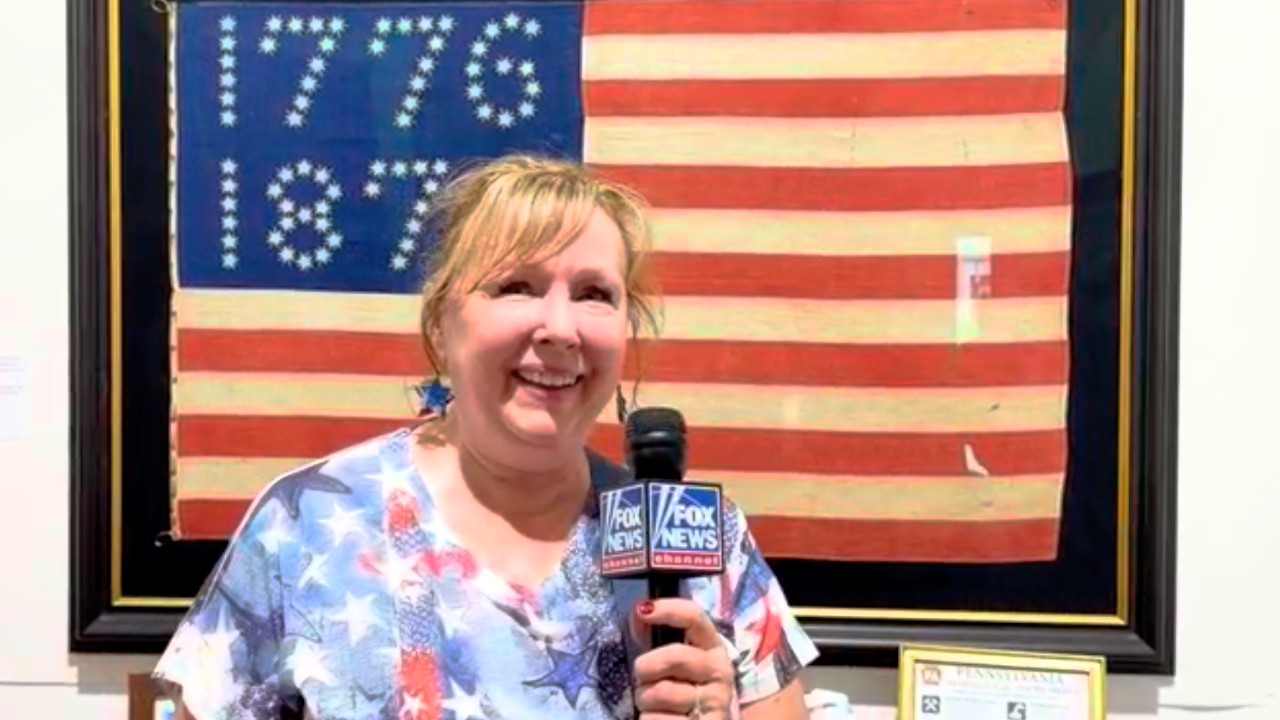
As the nation’s capital buzzed with festive energy ahead of the Fourth of July, launching the historic countdown to America’s 250th anniversary, the National Mall became a vibrant crossroads of diverse voices. Against this patriotic backdrop, Fox News Digital caught up with everyday citizens enjoying the Great American Fair to explore a question weighing heavily on the national consciousness: How much will the state of the economy actually dictate their choices at the ballot box in the upcoming November elections? While financial pundits often treat the economy as the ultimate swing factor in American politics, the real-world conversations on the ground revealed a much more nuanced picture of how voters prioritize their civic duties.
For the most part, the festive crowd gave the current economic climate a decent passing grade, with a “B” emerging as the most common evaluation. Yet, beneath this collective shrug of general approval lay a deeper truth about the modern American voter: wallet issues alone are rarely the final word. Instead of focusing solely on the fluctuating prices of goods or job market statistics, many fairgoers candidly shared that their eventual votes would be guided by deeply held personal values, perceptions of leadership, and steadfast party loyalty. This sentiment offers a fascinating, humanized glimpse into the electorate’s psyche, suggesting that while the economy is always a talking point, it is often overshadowed by the cultural and ideological currents shaping our communities.
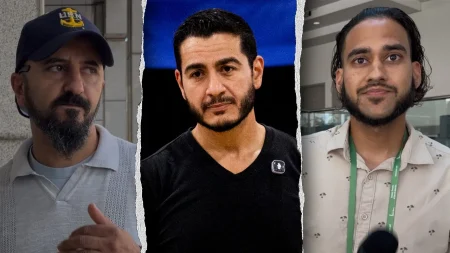
Among those feeling optimistic was Jay Miller, who traveled to the capital from Lafayette, Louisiana. Reflecting on the nation’s financial trajectory, Miller confidently handed down a solid “B” grade, expressing a sense of excitement about the future. “I think we are on the verge of an economic boom like we’ve never seen in our nation,” he shared, noting how thrilling it is to witness this pivotal moment in history firsthand. For Miller, economic progress is deeply tied to political alignment; he expressed a strong belief that lawmakers need to collaborate more effectively with Donald Trump to unleash the country’s full financial potential. However, his political stance remains anchored in a bedrock of faith, family, and conservative principles that transcend mere financial metrics.
This sense of hope was echoed by Donna Festinger, a retired schoolteacher from Greenfield, Massachusetts, who graded the economy a warm “B-plus.” Looking at the world through a lens of community uplift, Festinger pointed to the steady rise in job creation as a major win for everyday Americans. She voiced her support for the current administration’s efforts to boost wages and help families build up their savings, believing these kitchen-table victories would naturally propel the broader economy forward. For voters like Festinger, a healthy economy is a welcome sign of progress, but her support is fundamentally rooted in a philosophy of public service and collective well-being rather than a transactional calculation of her own bank account.
Of course, not every visitor to the National Mall shared this sunny outlook. Bonnie, traveling all the way from Hollister, California, offered a more critical “C” grade, grounded in the realities of high gas prices back in her home state. While she remains hopeful for a turnaround, her struggles show that macroeconomic success doesn’t always translate to relief at the local pump. Similarly, Dan Cuda, a 72-year-old Air Force veteran from Maryland, rated the economy a “B” but noted that inflation has made even discounted military commissaries noticeably more expensive. Cuda’s perspective highlights a common paradox: even those who recognize the economy’s upside potential are still feeling the daily pinch of high grocery and energy costs.
Ultimately, when the conversation turned to the ballot box, these financial grievances seemed to take a back seat to deeper allegiances. Cuda frankly admitted that economic fluctuations would not sway his political choices, stating simply, “I’m voting R no matter what.” For Bonnie, too, personal candidate preference remained untouchable, regardless of market volatility. Miller summed up this widespread sentiment beautifully, explaining that when he looks at a candidate, he is searching for character over a balance sheet: “Give me somebody with a little faith, a little family, a little value. And that’s got my vote.” As Americans celebrate their shared history, it is clear that the ties that bind their political choices are woven from the fabric of identity and belief, proving that the heart of the American vote remains decidedly human.