


The Shadowy World of Naval Strikes in the Pacific
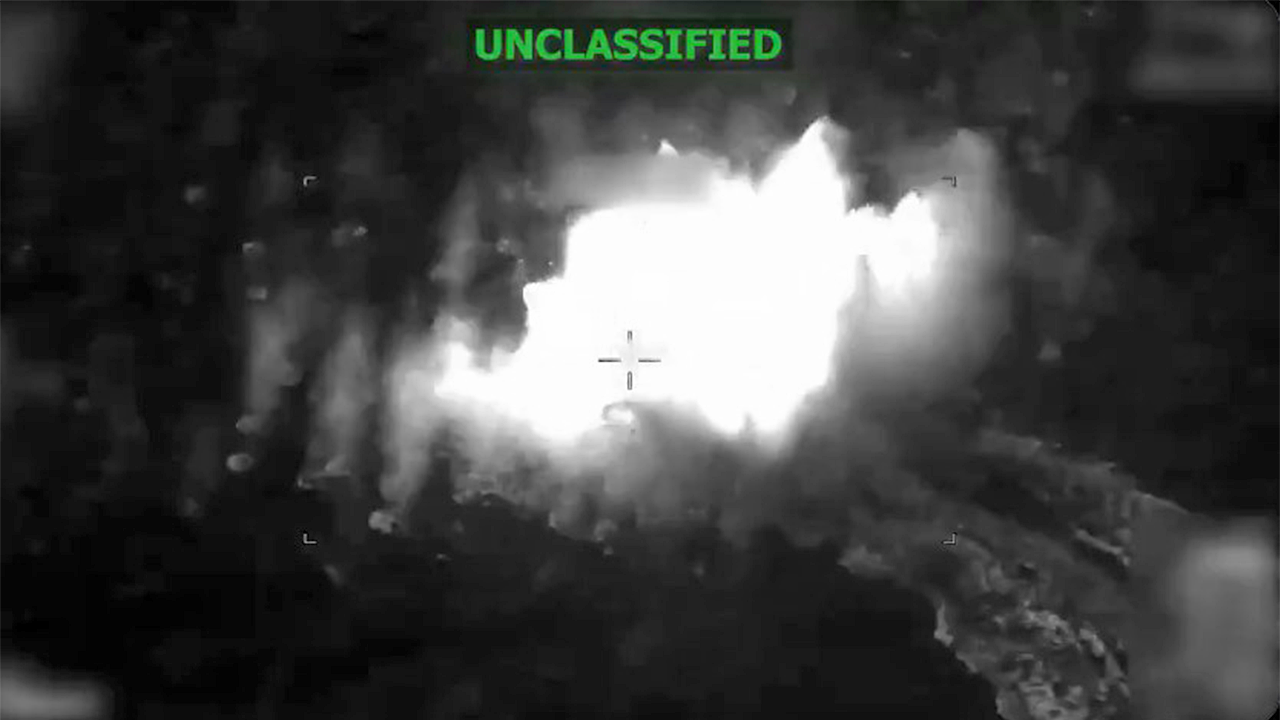
In the vast expanse of the Eastern Pacific, where the ocean’s blue horizon meets the relentless grind of human struggle, the U.S. Pentagon’s announcement last Sunday cut through the air like a sharp-edged wave. It detailed a lethal strike on yet another vessel, one supposedly loaded with suspected narco-traffickers from groups labeled as “Designated Terrorist Organizations.” Three lives were extinguished in the process, a stark reminder that intelligence-driven decisions in the name of security can shatter the fragile threads of existence. Imagine the families on distant shores—perhaps in Colombia or Venezuela—gripping their phones or radios, waiting for signs of loved ones who ventured out for what they believed was a path to survival. For the U.S. Southern Command, led by the decisive Marine Corps General Francis L. Donovan, this was just another operation in a broader ballet of deterrence. The vessel, they claimed, was slithering along notorious narco-trafficking routes, deeply entrenched in the dark web of drug smuggling that floods American veins with poisons like fentanyl and cocaine. No U.S. forces bore harm in this kinetic affair, a sterile victory in the eyes of the command. Yet, beneath the press release’s unflinching prose lies a tapestry of human stories untold—men who might have been coerced by cartel machinations, fleeing poverty’s grip, only to meet their end in a burst of fire and fury from above. This strike wasn’t isolated; it echoed the patterns of a nation flexing its military muscle against an enemy that blurs the lines between crime and conflict, where boats become battlegrounds and oceans the silent accomplices of tragedy.
The broader context unfurls like a yet-unfolded map of escalation. Since early September, the U.S. has unleashed 55 such strikes against boats darting through the Caribbean and Eastern Pacific, targeting what it sees as the hydra-headed threat of narco-terrorism. These aren’t mere skirmishes; they’re part of “Operation Southern Spear,” a proactive thrust championed by Pentagon head Pete Hegseth as a restorative force. “We’ve restored deterrence,” Hegseth proclaimed recently, painting a picture of cartels cowering under the shadow of American resolve. But numbers tell a bloodier tale: at least 186 souls have perished in these Trump-era assaults, their bodies claimed by the sea or national secrecy. Without identities released or evidence of contraband openly shared, each strike remains shrouded in operational opacity, leaving the public to grapple with images of faceless figures reduced to statistics. Consider the human cost—the familial voids left in their wake. A father in a Venezuelan slum, say, who sent his son out to sea for better prospects, now stares at an empty bed. Or the Colombian youth lured by promises of quick riches, only to confront the reality of deadly pursuits. These operations, framed as noble defenses against poisoning America’s youth, hide the visceral, lived experiences of those on the receiving end. The Pentaton’s silence on specifics fuels speculation, forcing us to humanize the unknown: were these men hardened criminals, or desperate navigators entangled in a web spun by forces far larger than their rickety vessels?
Diving deeper into the currents of these maritime offensives, one can’t ignore the strategic calculus that propels them forward. Narco-trafficking is a multi-billion-dollar industry, entwining economic despair with geopolitical intrigue. Vessels like the one struck last Sunday aren’t just boats; they’re floating fortresses for smuggling networks that exploit vulnerabilities in weak states, transforming oceans into illicit highways. The U.S. intelligence apparatus, with its satellites and signals intelligence, paints these targets as mobile threats, justifying preemptive action. But humanize this: picture the crew, perhaps a mix of seasoned smugglers and unwitting trainees, bound by fear or loyalty to cartels that brandish wealth and violence as twin currencies. One might fantasize about a life turned upside down—a onetime fisherman turned trafficker, driven by debt or dreams deferred. In the strike’s aftermath, as sharks circle the wreckage, families mourn in silence, unaware of the foreign hand that claimed their kin. This is the duality of modern warfare: efficient, remote, yet profoundly intimate in its devastation. The Pentagon’s refusal to disclose names or evidence—citing operational security—raises ethical shutters, reminding us that war’s shadows often conceal more than they reveal, leaving communities to piece together narratives from whispers and rumors.
On the political shores back home, the strikes have ignited a firestorm of debate, exposing fractures in American discourse. Advocates like Hegseth hail them as indispensable bulwarks against a scourge that has claimed over 100,000 opioid lives in recent years, arguing that offense is the only language cartels understand. “These operations put the fear back into traffickers,” some officials might nod, envisioning safer streets and drier veins for American families. Yet, this proactionalist stance clashes with constitutional undertones, where due process thrives as a sacred pillar. SCRUBBED Democrats and even some Republicans, including the outspoken Sen. Rand Paul of Kentucky, have voiced grave concerns, questioning the morality of killing without trial or the peril of collateral innocents. Paul’s words ring like a cultural bell: “I look at my colleagues who say they’re pro-life, and they value God’s inspiration in life, but they don’t give a s‑‑- about these people in the boats. Are they terrible people in the boats? I don’t know. They’re probably poor people in Venezuela and Colombia.” His sentiment humanizes the abstracted “suspects,” transforming them from foes into flesh-and-blood refugees of hardship, victims of systemic failures. Imagine Paul’s perspective: as a pro-life advocate, perhaps he envisions these ocean travelers not as demons, but as souls worthy of redemption, trapped in poverty’s labyrinth. Critics argue that such strikes erode civil liberties, potentially condemning the innocent, and strain international alliances built on shared humanitarian values.
Escalating the scrutiny, Coast Guard data cited by Paul adds empirical weight to the doubts. Across interdictions, a sizable chunk of suspected drug boats turn out to be vessels of the innocuous—fishermen, migrants, even empty hulls mistaken for threats. This statistical reality forces a reckoning: what if the three fatalities were part of that innocent fraction, their demise a tragic error amplified by fog of war? Humanizing this data means picturing the wrongfully targeted—a family fleeing violence, their boat a lifeline rather than a conveyer, now sundered by misplaced retaliation. The ethical quandary deepens when considering the Families of the Deceased, hypothetical support groups that might emerge, advocating for transparency and reform. Yet, proponents counter with stories of intercepted hauls—tons of drugs denied to streets—framing each strike as a salvaged future. This tug-of-war reflects America’s soul-searching: balancing security’s imperatives with humanity’s imperative, where the ocean’s waves lap at divides between justice and vengeance.
In the end, these Pacific strikes encapsulate a nation’s vanguard against a invisible foe, but they also beckon introspection. As the death toll climbs and controversies swell, ordinary Americans are left to ponder the value of life across borders. Listen closely to the echoes of Fox News bulletins—now audible—or read between the lines of press releases, and you’ll hear the human chorus: cries of victory from the strong, laments from the lost. The administration’s bold maneuvers in Operation Southern Spear have indeed shaken narco-traffickers’ confidence, yet they beg questions of sustainability. Will this unilateralism foster lasting peace, or spiral into further cycles of retribution? Humanizing the narrative means acknowledging shared vulnerabilities—addiction’s grip on U.S. communities mirroring the desperation fueling Latin American departures. Perhaps, in bridging these divides with empathy, a path emerges beyond lethal solutions, toward cooperative dismantlement of the root causes: poverty, corruption, and inequality. Until then, each strike etches indelible marks on the global conscience, reminding us that in the quest for security, we must safeguard the essence of what makes us human. And as voices for clarity grow louder, from senators to satyrs of the sea, the Pacific’s silent depths hold secrets we may never fully unravel.