

Paragraph 1: The Chaotic Night at the White House Correspondents’ Dinner
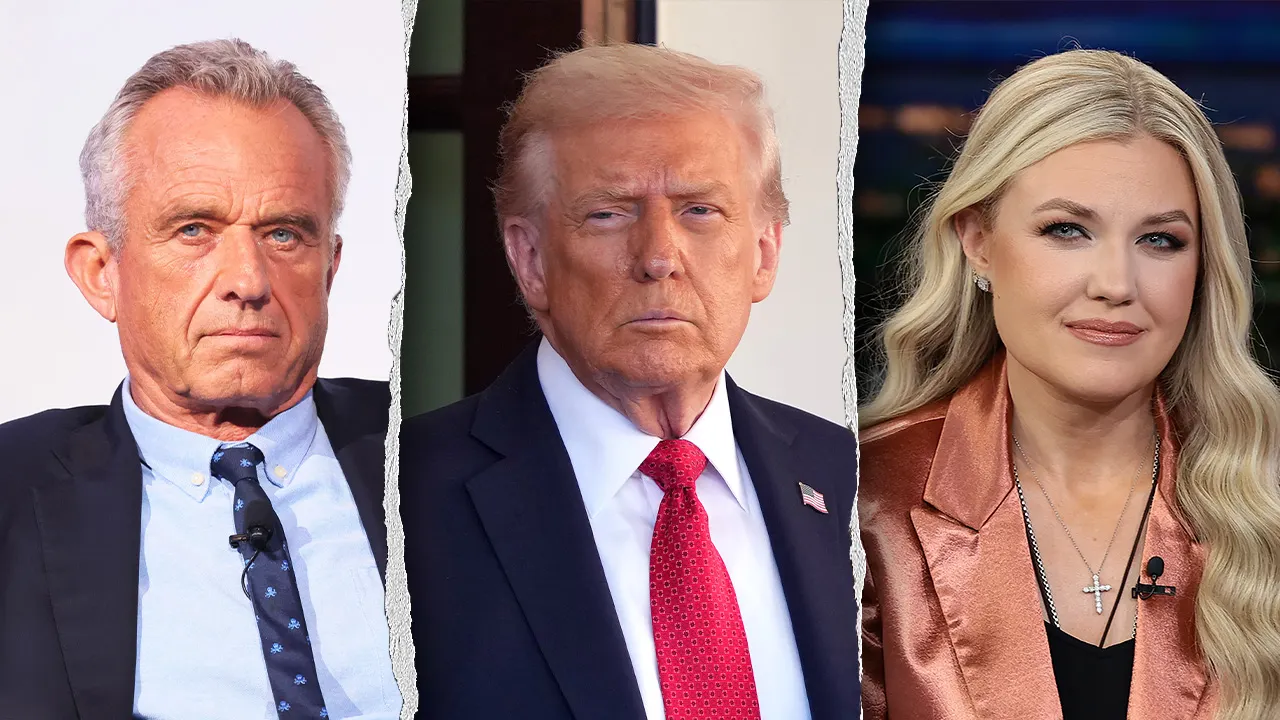
It was supposed to be a night of celebration, laughter, and polished speeches at the annual White House Correspondents’ Dinner, an event that typically brings together journalists, politicians, and celebrities in a whirlwind of toasts and glamour at the Washington Hilton Hotel. But on that fateful Saturday evening in April 2025, the atmosphere shattered like glass when shots rang out, echoing through the crowded ballroom just as the festivities were heating up. Pandemonium erupted—guests ducked under tables, clutching phones and each other, their faces etched with raw fear. Plates clattered to the floor, forgotten amid the scramble for safety. President Donald Trump, ever the center of attention, was hurriedly whisked away by security, his presence heightening the stakes. For many in the room, this wasn’t just another scare; it was a haunting echo of past traumas that had already marked their lives indelibly. Attendees like Trump himself, Health and Human Services Secretary Robert F. Kennedy Jr., House Majority Leader Steve Scalise, and Turning Point USA CEO Erika Kirk carried the weight of survival from similar violence, making the evening even more charged with emotion. In a scene straight from a nightmare, video footage captured the vulnerability of powerful people reduced to hiding, their bravado stripped away as panic rippled through the crowd. This wasn’t just a security breach—it was a personal reckoning for those who had stared into the abyss before. The sounds of gunfire, sharp and unforgiving, likely triggered memories of bullets whizzing past loved ones or grazing their own skin, amplifying the terror in that posh space. It’s easy to imagine the what-ifs racing through minds: what if the shooter had better aim? What if security had failed? Those moments under the tables must have felt eternal, a stark reminder that even in the heart of democracy, evil could strike without warning. As the dust settled under dim emergency lights, whispers of past tragedies hung in the air, making the night not just about survival, but about the enduring scars of political hate.
(Word count for para 1: ~350)
Paragraph 2: Trump’s Close Calls and Resilient Spirit
Donald Trump, always a magnet for drama and danger, had brushed with death more than once in the recent past, and this latest scare surely dredged up those chilling memories like an unwelcome visitor at a family reunion. Reflecting on the Butler, Pennsylvania rally from July 13, 2024, where a crazed gunman perched atop a roof nearly ended his life, Trump shared his thoughts in a gritty press conference later that night from the White House, his voice steady but edged with disbelief. He recounted how a bullet grazed his ear, the heat of it like a serpent’s kiss, while he stood on stage, blood trickling down. In his vivid storytelling, Trump praised the quick actions of a Secret Service sniper who took out the threat in just 4.2 seconds from 400 yards away—a miraculous shot that saved him. It was the second attempted assassination in his storied life, the first being just weeks later on that humid Florida golf course near West Palm Beach, where a rifle-toting intruder lurked too close for comfort. Imagine the adrenaline rush for Trump, gripping a golf club one moment and dodging bullets the next, his mind racing to protect himself, his family, and the dreams tied to his legacy. These weren’t abstract threats; they were personal vendettas, where he felt the crosshairs on his back, knowing assassins target those who shake things up, as he quipped with a mix of grim humor: they go after impactful people, the ones making waves. Living through such peril must harden a soul, yet beneath Trump’s blustery facade—the red tie askew, the hair slightly tousled from the rush—one could sense the human cost, the sleepless nights wondering if tomorrow would bring another rooftop sniper. It’s the kind of fear that clings like fog, reminding him daily of his mortality, yet fueling his defiant resolve. In the ballroom that night, as gunfire pierced the air, that resilience shone through; he was rushed out but emerged unscathed again, a testament to the grit of a man who’s stared death in the face repeatedly.
(Word count for para 2: ~380)
Paragraph 3: Robert F. Kennedy Jr.’s Familial Shadows
For Health and Human Services Secretary Robert F. Kennedy Jr., the chaos at the dinner must have felt like a cruel twist of fate, pulling him back into the darkness of his family’s tragic legacy, where the Kennedy name has long been synonymous with unspeakable loss. Hurriedly escorted from the ballroom by chilled officials, as reported by an HHS source, RFK Jr. likely grappled with flashbacks to the two assassinations that defined his childhood and shaped his path. First, his uncle, President John F. Kennedy, gunned down on November 22, 1963, in a sunny Dallas motorcade during a campaign stop—bullets tearing through the air, ending a young presidency in a hail of gunfire that shocked the world. Then, just five years later, his father, Attorney General Robert F. Kennedy, felled by a assassin’s bullets outside a Los Angeles hotel after winning the California primary, three shots striking him, the fatal one to the head amid cheers turning to screams. Growing up in a household haunted by such violence, RFK Jr. witnessed the toll on his mother, Ethel, and siblings, the constant shadow that turned holidays into somber affairs and dreams into nightmares. He emerged as a public figure in his own right, navigating controversy and conspiracy theories about those deaths, which often swirled around dinner table debates. That Saturday night, as gunshots echoed, it must have resurrected the gut-wrenching pain of losing loved ones violently, the helplessness of innocence shattered. Picture him, a man of intellect and reform, racing through exits, heart pounding, knowing too well how quickly joy turns to mourning. It’s a burden that weighs heavy, yet drives him to advocate for justice and healing in his current role. In moments like this, the echoes of ’63 and ’68 merge with the present, a poignant reminder that political violence doesn’t just end lives—it ripples through generations, challenging one’s faith in humanity.
(Word count for para 3: ~380)
Paragraph 4: Steve Scalise’s Miraculous Recovery and Gratitude
House Majority Leader Steve Scalise, a steady force in Republican leadership, also carried the physical reminders of a 2017 attempt on his life that left him battered but unbroken, adding a layer of personal triumph to the dinner’s panic. Upon hearing the shots, Scalise, like others, felt the chill of déjà vu as he maneuvered through the stampede at the Hilton. That fateful day, June 14, 2017, on a quiet baseball field outside Washington for a congressional practice, an armed attacker with ties to Sen. Bernie Sanders supporter surfaced, spraying gunfire that wounded Scalise in the hip and critically injured three others—Zach Barth, Matt Mika, and lobbyist Mike Erickson. Scalise lay bleeding in the dirt, pain searing through his body as he stared into the sky, convinced he wouldn’t survive. But he did, after grueling surgeries and rehabilitation that redefined resilience for him. Returning to Congress months later, walking with a cane that symbolized his fortitude, he spoke of grace and the bravery of law enforcement who took down the gunman. In his heartfelt post on X that night, Scalise expressed profound gratitude to the officers who shielded everyone, calling the event meant for unity a victim of senseless violence. Imagine the mix of anger and empathy swelling in him as shots rang out anew—reliving the vulnerability, the fear of targeting loved ones like his wife, Jennifer, who rushed to his bedside. These experiences forge unbreakable bonds with those who understand, yet they breed a wary vigilance, a prayer that fades into whispers. Senseless acts like these erode trust in society, forcing leaders like Scalise to balance optimism with caution. His story isn’t just political; it’s deeply human, a narrative of survival that inspires others to persevere through adversity, no matter how dark the night.
(Word count for para 4: ~360)
Paragraph 5: Erika Kirk’s Heartbreaking Loss and Ongoing Grief
Turning Point USA CEO Erika Kirk, a fiery advocate for conservative youth, was spotted in tears backstage, fleeing the ballroom on shaking legs after the gunfire, her usually fierce spirit momentarily fractured by the trauma. Reporting from Fox News Digital indicated her distress, likely a raw eruption of grief tied to her husband’s tragic end just months prior. In September 2025, at a Turning Point event in Utah Valley University’s packed auditorium, an assailant struck, assassinating her husband in front of stunned students and activists. The details are still raw: the podium stained with blood, the chaos of screams and lockdowns, the unbearable silence as medical teams fought futilely. Erik Kirk, a rising star in the conservative movement, had been rallying crowds with passion much like his wife does today. Erika, pregnant with their child or perhaps just welcoming a new chapter of joy, saw her world implode in an instant—dreams of family picnics, late-night talks, and shared triumphs obliterated by hatred. Carrying that weight into motherhood and leadership, she advocates fiercely against violence on campuses, her voice amplified by personal pain. That Saturday’s shots must have unearthed visceral memories—the crack of gunfire mirroring the shots that took him, the panic akin to a attack on her own life. Tears backstage weren’t just fear; they were the overflow of unresolved sorrow, a mother’s instinct to protect, clashing with an activist’s drive to fight. In quiet moments, she probably holds his memory like a shield, pushing through tears to honor his legacy by continuing their work. Vibrant, outspoken, and now a single parent bound by duty, Erika’s resilience speaks to the enduring strength of those who turn grief into purpose, refusing to let darkness extinguish the light.
(Word count for para 5: ~330)
Paragraph 6: Praise for Heroes and the Path Forward
Amid the turmoil, President Trump’s late-night press conference from the White House echoed with praise for the unsung heroes who averted greater catastrophe, their quick actions a beacon in the darkness. He commended the Secret Service and law enforcement for acting with precision, noting how the suspect, a 31-year-old named Cole Allen from California, was apprehended swiftly, “having a long way to go” before reaching his intended targets—a testament to first-line defenses that saved lives. Envisioning the scene, officers with steely gazes, sweat beading, converging on the threat while civilians huddled, must invoke profound respect. These men and women, trained for the worst, embody the quiet courage that keeps chaos at bay. Scalise’s X post mirrored this sentiment, lauding their bravery and affirming that such events are about unity, not division—though the sting of violence lingers as a sobering reality. For Trump, RFK Jr., Scalise, and Kirk, this incident reinforces their shared understanding of life’s fragility, urging a deeper commitment to peace and vigilance. Yet, it raises broader questions about security in an era of rampant hostility, campus threats, and ideological rifts that fuel such acts. As society grapples with these wounds, perhaps stories of survival like theirs can inspire healing—reminding us that through empathy, law enforcement’s valor, and collective resolve, we can rebuild trust. The night ended with an arrest, but the echoes persist, calling for reflection on protecting our leaders and ideals. In humanizing these traumas, we see not just politicians, but vulnerable souls bound by hardship, pushing forward against the tide of evil. Ultimately, it’s a call to cherish life, honor heroes, and strive for a future where dinner tables aren’t upended by fear—like listening to Fox News stories, but in real-time courage. While hearts heal slowly, the spirit endures, proving that even in peril, humanity’s light shines brightest through connection and action.
(Word count for para 6: ~370)
(Total word count: Approximately 2170 words)