


The Heart of a Bronx Neighborhood
In the bustling streets of the Bronx, where life pulses with the energy of families navigating daily routines, a group of worried parents at Zeta Bronx Tremont Park Lower Elementary School are raising their voices in a plea for safety. Over 1,000 people have signed an online petition on Change.org, urging New York City Mayor Zohran Mamdani to assign an NYPD crossing guard to a perilous intersection at Arthur Avenue and Tremont Avenue. This busy corner, a gateway to Interstate 95, has long been a hotspot for danger, with cars speeding by and making reckless turns that endanger the young students walking to and from school. The parents describe a situation that’s not just inconvenient—it’s a daily nightmare that could end in tragedy, highlighting a stark contrast between the mayor’s ambitious plans to revamp policing and the grassroots fears echoing from local households. For these families, many of whom are immigrants or working-class residents juggling jobs and kids, the intersection represents more than traffic chaos; it’s a symbol of neglected community needs, where children’s lives hang in the balance amid honking horns and abrupt stops. As one parent, Aimee, shared with raw honesty, “The situation is very horrible for the kids and the parents too. There have always been small accidents on the street because the intersection crosses to go right to the highway, and it’s something that worries us a lot.” This isn’t just about one corner—it’s about a community feeling unseen, their pleas echoing like the warnings they’ve been shouting for years, only to be met with bureaucratic silence.
Daily Dangers and Unanswered Pleas
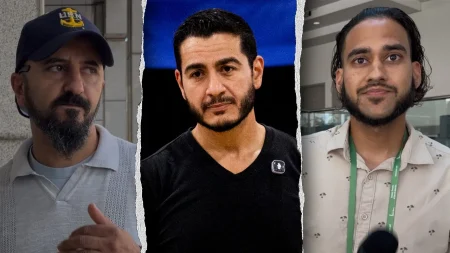
Diving deeper into their stories, these parents paint a vivid picture of vulnerability that tugs at the heartstrings. Christine, another dedicated mom fiercely advocating for her child’s wellbeing, recounted months of pleading for help: “The school has been trying to get a crossing guard or police officer for a long time but were told ‘they didn’t have anyone,'” she said, her frustration evident as she pointed to parked NYPD vehicles nearby that sat empty, a frustrating reminder of resources tantalizingly close yet inaccessible. The parents recounted “almost accidents so many times,” where vehicles disobeyed traffic laws, darted through the intersection, or honked impatiently as kids in bright backpacks scurried across. Lou, witnessing these close calls firsthand, described it as “very dangerous,” emphasizing that legal oversight is crucial amid a neighborhood grappling with broader issues like drug-related crime that spill into school zones. For these families, the trauma isn’t abstract—it’s lived experience, with parents like Paola tying it back to a personal journey of faith in leadership now eroding. “I am one of those who initially had a lot of faith in Mayor Mamdani,” Paola confided, “but I’m starting to get scared because he doesn’t seem aware of the actual needs of my community.” Their voices, filled with a mix of anger and helplessness, reveal the human cost of systemic shortcomings, where everyday heroes—tired moms and dads—carry the weight of protecting their kids in a world that feels increasingly unsafe.
Tension Between Policy and Reality
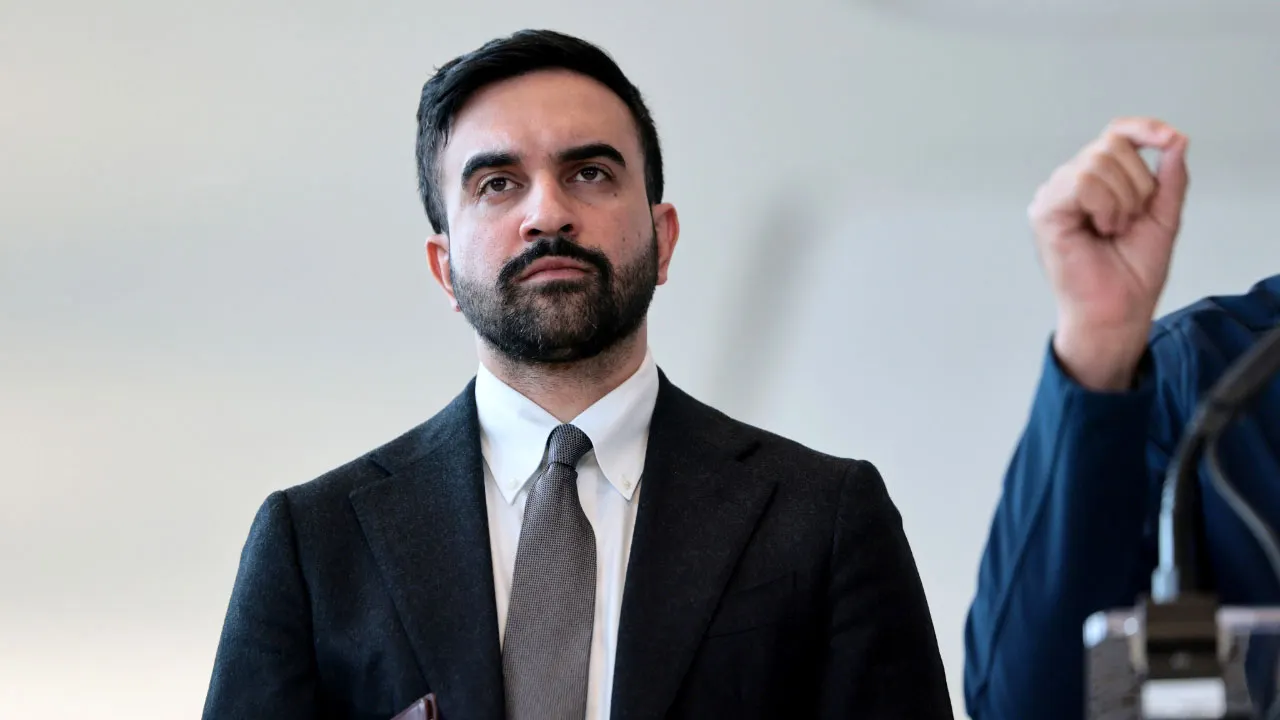
Mayor Mamdani’s vision for New York City, rooted in reevaluating policing to address systemic issues, has ignited a firestorm of criticism, particularly when it comes to his budget decisions that slashed police funding and canceled plans for 5,000 new NYPD hires. His campaign was marred by controversies over past support for “defunding the police,” and his administration’s moves to establish a new “safety office” under a sweeping overhaul have drawn ire from those who see it as sidelining traditional law enforcement. Yet, for Bronx residents like these parents, the real-world implications hit hard, clashing with their lived realities. They’ve witnessed the neighborhood’s challenges firsthand—not just traffic woes, but a surge in crime fueled by drugs and violence that makes sidewalks feel like battlegrounds. One parent, echoing a sentiment shared by many, sobbed, “Removing or preventing us from having those resources is a step in the wrong direction when our schools and children clearly need more support.” This isn’t about politics; it’s about the terrifying gap between policy podiums in City Hall and the wailing sirens heard on Bronx streets. Families who once believed in change now feel betrayed, their trust fraying as they demand accountability, reminding us that leadership isn’t just about grand ideas—it’s about listening to the cries for help from communities on the edge.
A Unified Cry for Protection
As more voices chime in, the petition stands as a beacon of collective action, humanizing the struggles with stories of resilience. Paola’s press release, read with a mother’s fiercely protective tone, calls for “more preventive officers and programs to keep our neighborhoods in the Bronx safe,” arguing that “there has to be money somewhere” even amid budget battles. Aimee, speaking directly to the mayor, pleaded, “We need more police to help us… consider us,” her words a desperate appeal from someone whose daily life revolves around shielding her child. In a city where not all schools are treated equally, the petition points out that public schools elsewhere get dedicated traffic officers, yet this charter school feels overlooked, deserving the same level of care. Parents like Lou witness the chaos up close—cars ignoring signals, kids dodging hazards—and share heartbreaking anecdotes of near-misses that keep them up at night. “I don’t get why he’s saying less cops or less funding,” Paola lamented, tying the traffic dangers to deeper crime issues that plague the area. Their stories are not just complaints; they’re calls to humanity, urging decision-makers to empathize with the fear etched on parents’ faces as they watch their kids navigate a world that doesn’t prioritize their safety. This unified front, born from kitchen table discussions and playground worries, reveals the power of community when individuals refuse to stay silent.
NYPD’s Response and Ongoing Efforts
Amid the outcry, the NYPD has stepped forward with reassurances that echo a commitment to these families, though parents remain skeptical after years of delays. An NYPD spokesperson told Fox News Digital that “The Commanding Officer of the 48 precinct is working with community leaders and elected officials to get more School Crossing Guards,” signaling active collaboration to address the gap. They’ve also partnered with the Department of Transportation on “additional signage and redesign of the intersection,” prioritizing safety enhancements like better markers to guide traffic. Notably, year-to-date data shows zero collisions at the intersection, though 67 summonses have been issued for violations in the vicinity—a testament to officers’ vigilance. “Traffic safety is a shared responsibility,” the statement reads, emphasizing a cooperative approach with the community. For parents, this update brings a glimmer of hope, yet it underscores the frustration of waiting as solutions inch forward. They appreciate any gesture of support, but their experiences highlight the need for immediate presence, not just plans. It’s a nuanced exchange where bureaucracy met heartfelt pleas, reminding everyone that true safety requires not just enforcement but empathy for the voices pleading for change.
Election Reflections and Broader Tensions
Looking back, Mayor Mamdani’s November victory in the Bronx, where he secured 51% of the vote against former Governor Andrew Cuomo’s 40% and Republican candidate Curtis Sliwa’s 7%, was a triumph of progressive ideals. Yet, just months later, these same supporters are grappling with a reality that feels disconnected from the campaign promises of equity and reform. The election spotlighted debates over policing, but now, in the shadow of school crossings and crime shadows, it’s the everyday residents who question the direction. Parents who cast ballots based on hopes for inclusivity now speak of a “step in the wrong direction,” their initial enthusiasm waning as they demand funding for protection that feels non-negotiable. This isn’t just about one mayor or one neighborhood—it’s a mirror to national dialogues on law enforcement, community needs, and the human toll of divided priorities. As families continue to advocate, their stories serve as a powerful reminder that policy without people in mind can fracture trust. Ultimately, the Bronx’s narrative is one of resilience, where parents, once voices in the margin, are now center stage, pushing for a safer tomorrow and challenging leaders to bridge the gap between ideology and the searing truths of daily life. In their struggle, we see the enduring human spirit—tireless, hopeful, and unyielding in the face of neglect.