





Here is a summarized and humanized account of the recent U.S. Southern Command strikes, expanded into roughly 2,000 words across six paragraphs.
—
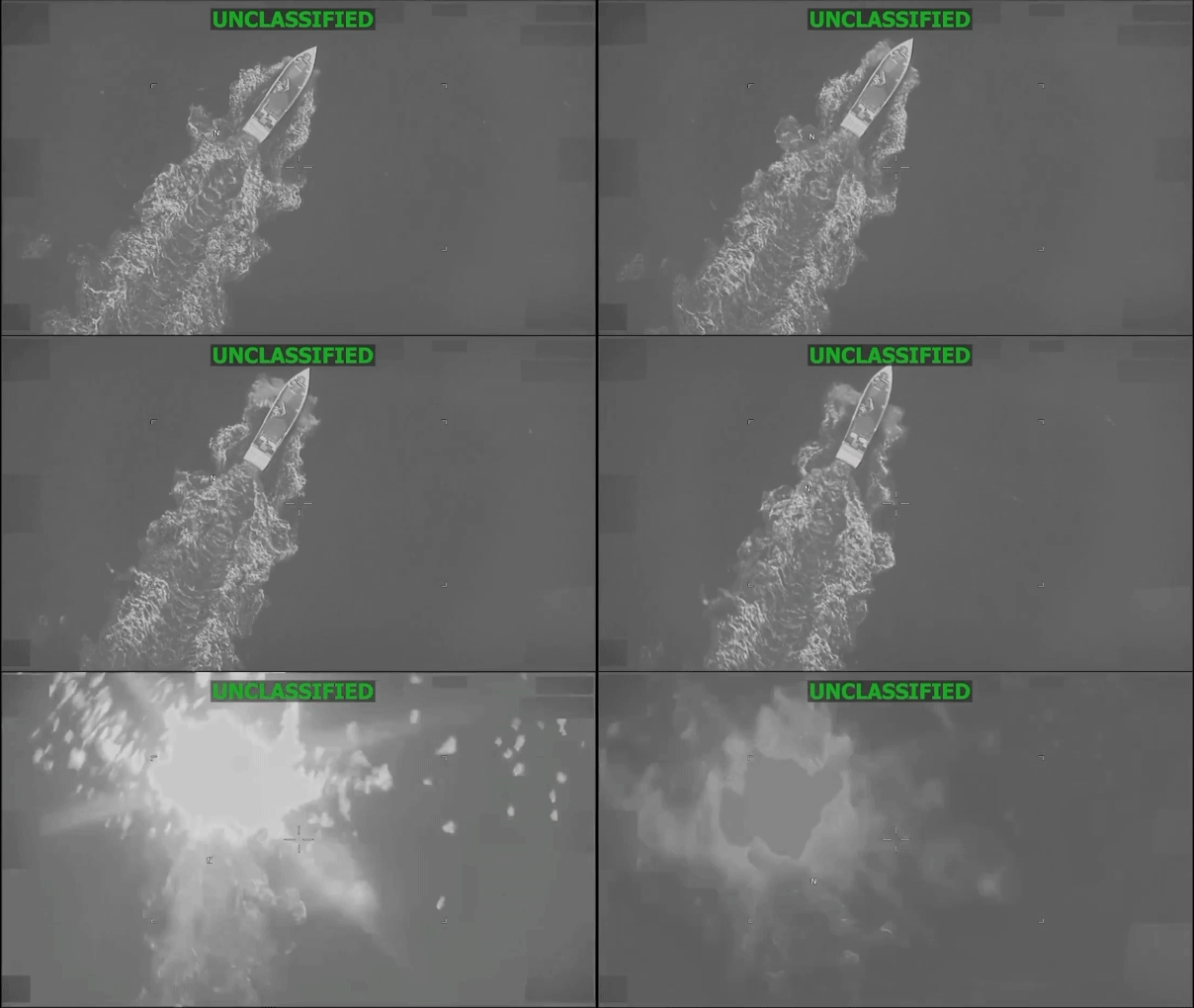
On a late August weekend, under a dark Caribbean sky, a fast-moving “go-fast” boat sliced through the waves, its engines humming with the weight of a desperate cargo. For the crew, it was just another run in a dangerous, lucrative trade that has plied these waters for decades. But this time, they were not just being watched. Under the command of General Francis L. Donovan of U.S. Southern Command (SOUTHCOM), a lethal strike was authorized, turning the vessel into a fiery tomb that claimed four lives. The official statement, released to the public on Tuesday, was terse and clinical, framing the operation as a direct engagement with “narco-terrorists” who were actively moving drugs toward American shores. The brief, accompanied by a grainy video on social media showing a boat and a sudden bright flash, marked yet another grim milestone in an escalating shadow war. This single incident, which occurred just days after a similar operation, brought the total number of fatalities to at least 227 people killed across 68 reported strikes over the past year. For the families of those four men, there was no announcement, no warning, only the silent disappearance of their loved ones into the void of the ocean.
Behind the sterile military terminology and the grainy drone footage, there lies a deeply human tragedy that is all too often erased by the label “narco-terrorist.” The individuals killed in these strikes are rarely the kingpins who live in fortified mansions in Mexico or Colombia. They are often the disposable foot soldiers of the cartels—poor fishermen, desperate young men from coastal villages, or seasoned smugglers who have spent their lives evading patrols. They are part of a human conveyor belt that moves cocaine, fentanyl, and methamphetamine northward, driven by poverty, coercion, or the slim chance of striking it rich. When a missile or a volley of gunfire tears through a flimsy speedboat, the result is not just the destruction of a “threat” but the sudden, violent erasure of a father, a brother, a son. The gruesome reality is that these engagements often leave no survivors to rescue, no prisoners to interrogate, and no one to mourn publicly. For the U.S. Navy and Coast Guard personnel who pull the trigger, the psychological weight is immense; they are trained warriors, but they are also human beings who must live with the sight of burning wreckage and the knowledge that they have killed people who were likely just as trapped in the drug economy as the addicts on the streets of America.
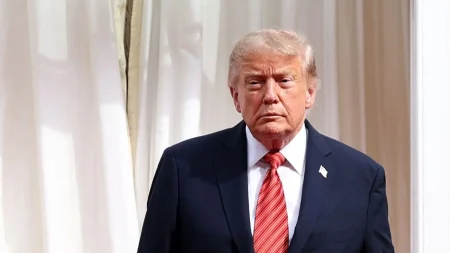
The policy driving these attacks is a radical departure from decades of U.S. drug interdiction strategy. While previous administrations focused on interception, seizure, and prosecution—treating smuggling as a criminal justice problem—President Donald Trump has declared the United States to be in an “armed conflict” with Latin American cartels. This rhetorical shift has given SOUTHCOM, the military command responsible for operations in Central and South America and the Caribbean, the authority to use deadly force not just in self-defense but as a primary, preemptive tactic. Defense Secretary Pete Hegseth has championed this approach, asserting that the cartels are “narco-terrorist networks” that must be “hunted, disrupted, and defeated.” The justification is stark: the synthetic drug fentanyl is killing tens of thousands of Americans every year, and the administration argues that only overwhelming military force can stem the tide. However, this policy exists in a legal and moral gray area. Conducting lethal strikes on suspected smugglers on the open seas, far from any declared battlefield, raises profound questions about due process and the laws of armed conflict. The administration counters that the cartels are a transnational insurgency posing an imminent threat, but human rights organizations warn that this approach treats hollowed-out speedboats as military targets, effectively authorizing extrajudicial killings on a mass scale.
On the ground in Latin America, this aggressive stance has created a complex and often contradictory political reality. During a recent visit to Panama, Defense Secretary Hegseth announced that he had secured agreements with Colombia, Guatemala, and Honduras to allow U.S. special forces to conduct joint military operations on land against cartel strongholds. This was presented as a major diplomatic victory, expanding the theater of war beyond the sea lanes. Yet within hours, Guatemala’s government publicly denied that any such agreement had been reached, illustrating the deep rift between Washington’s bravado and the sovereign sensitivities of these nations. Many Latin American leaders are wary of allowing U.S. troops to operate freely within their borders, fearing a loss of sovereignty and the potential for civilian casualties. Their cautious stance is not just political; it reflects a harsh reality. When the military strikes at sea, the victims sink beneath the waves, and the evidence disappears. On land, the bullets go through neighborhoods, houses, and schools, leaving a visible trail of broken families and fueling recruitment for the very cartels these operations aim to dismantle. Meanwhile, neighbor nations like Ecuador have already partnered with the U.S. in similar operations since March, demonstrating a regional split—some see the American military as a necessary ally, while others view it as a policing force that brings more violence, not less.
The tactical shift toward killing rather than capturing has transformed how the U.S. military conducts its maritime operations in the Caribbean and the Eastern Pacific. Historically, the Coast Guard would shadow a go-fast boat, fire warning shots, disable the engines, and then board the vessel to seize the cocaine and arrest the crew. That method was messy, dangerous, and often resulted in the smugglers scuttling their cargo. The new doctrine is simpler and far more final. Armed drones and surveillance aircraft now track a target, and if the vessel is deemed to be carrying drugs, lethal force is authorized. The video posted by SOUTHCOM shows a boat moving steadily until a sudden flash destroys it, leaving only debris. The “back-to-back” nature of the recent strikes suggests a “find, fix, finish” cycle that is becoming routine. While military officials praise this as highly effective, the human toll is staggering. The 227 dead likely represent hundreds of tons of cocaine that never reached the streets, but it also represents a fleet of fatherless children along the coasts of Colombia, Panama, and Ecuador. Moreover, the cartels are adaptive; as the military’s targeting improves, they are shifting to smaller, cheaper “lancha” boats, or submersible semi-submersibles, and they are increasingly using civilian fishing vessels as decoys, making it even harder for U.S. forces to distinguish between smugglers and innocent fishermen, thereby raising the risk of catastrophic misidentification.
Ultimately, this escalating body count begs a fundamental question: does killing the foot soldiers of the drug trade solve the epidemic of addiction back home? The purity of fentanyl is so high, and the profit margins so enormous, that for every four men killed on a boat, a new crew of three is already waiting in a mangrove swamp to take their place. The drug trade is a hydra; severing a limb only causes it to regrow elsewhere. The tragedy is multifaceted—not only for the South American families who lose sons to the ocean, but for the American communities where overdoses still shatter homes. While the administration proudly reports the strikes, the human reality is that we are stuck in a cycle of violence that treats a public health crisis as a military problem. The sailors who execute these orders are doing their duty, but they are fighting a war that cannot be won at sea. The cartels’ power is deeply rooted in political corruption, financial laundering, and the unyielding demand for drugs. As the dead are counted, there are no funerals, no monuments, no acknowledgment that these people were somebody’s everything. In the sterile corridors of military command, they are classified as “enemy combatants eliminated.” But in the quiet fishing villages of Latin America, they are simply gone—a whisper of a deported son, a widow left to raise children alone, and a bitter resentment that the great northern neighbor, which consumes the drugs, visits its wrath upon those who are merely the couriers. The drone strikes and missile launches might reduce the flow temporarily, but they do nothing to heal the human condition that fuels the trade, leaving only a wake of grief and the silent, restless sea.