


The Tense Battle Over Trump’s Agenda
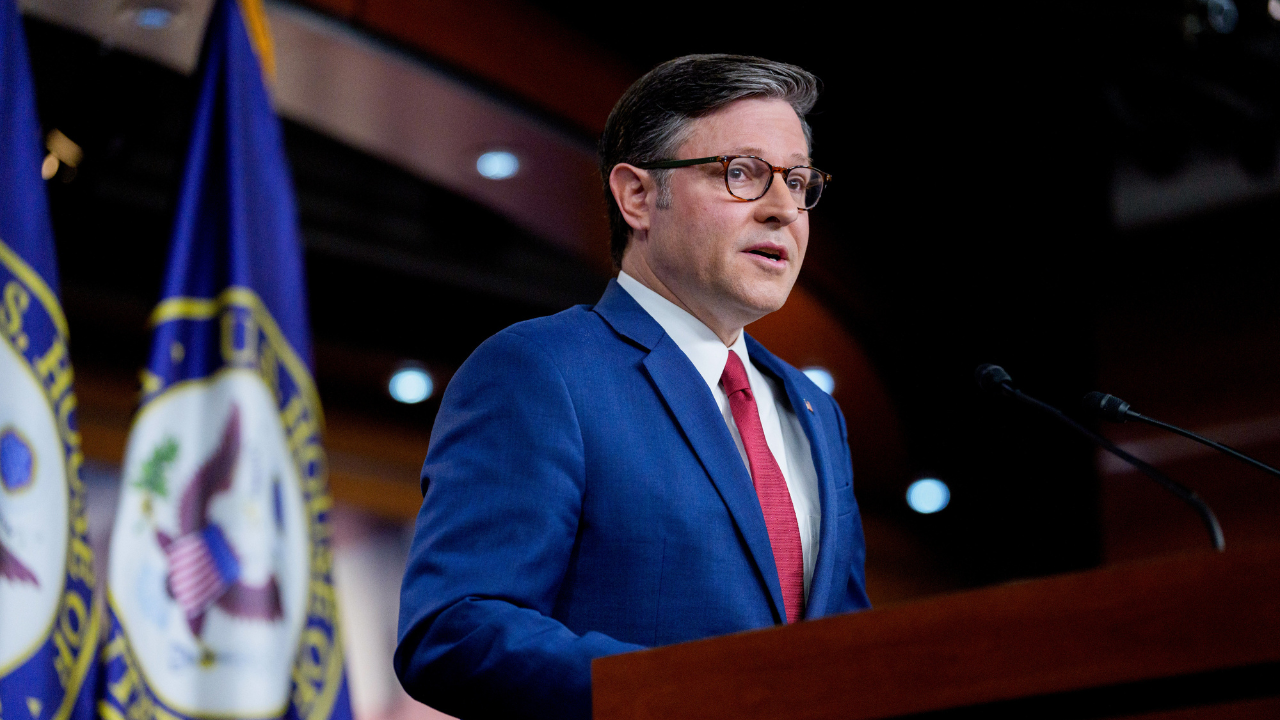
Imagine a political drama unfolding in the halls of the U.S. House of Representatives, where Republicans are supposed to be pushing forward Donald Trump’s agenda, but instead, they’re tripping over their own feet in a mess of infighting. At the core of this chaos are three big pieces of legislation: an extension to a spy program under the Foreign Intelligence Surveillance Act (FISA), a massive farm bill dealing with everything from agriculture to nutrition policies, and some procedural votes that are supposed to clear the way for all this. On a typical Tuesday, House GOP leaders had to scrap planned votes because they couldn’t bridge the gaps with conservative rebels who refused to play ball. These internal wars are heating up just as April 30 looms—a deadline to renew Section 702 of FISA—or risk letting critical national security tools slip away. Speaker Mike Johnson, the new voice in charge from Louisiana, is sweating bullets, knowing he can only afford a few defections from his party if they want to succeed. It’s a stark reminder that even in a majority, unity isn’t guaranteed, and old party divides over privacy, big government, and what conservatives see as overreach can grind everything to a halt.
House GOP leaders, trying to maneuver through this, brought the Rules Committee into play, pushing a procedural vote to advance these bills after Democrats flooded the session with amendments that flopped. But here’s where it gets really tricky: a bunch of conservative lawmakers aren’t committing to supporting this procedural measure ahead of Wednesday’s big vote. Virginia Foxx, the Rules Committee’s chair from North Carolina, even leaned on the Serenity Prayer to calm the room, acknowledging the raw tensions bubbling up. These aren’t just mild disagreements; they’re explosive enough to halt progress on what should be straightforward extensions and renewals. The farm bill, for instance, is a beast—those mammoth pieces of legislation that tie into farmers’ livelihoods, food stamps, and rural economies—yet conservatives are balking over parts that don’t align with their vision. It’s like watching a team coach huddle, only to realize half the players are ready to walk off the field, turning what could have been a victory lap into a battlefield.
Take Lauren Boebert from Colorado, who’s gone public on social media with a firm “no” on the rule, frustrated that her amendments to the farm bill were shot down. Or Nancy Mace from South Carolina, threatening the same after venting about the Rules Committee’s handling of things. These privacy-focused Republicans—often called “GOP hawks”—are holding out on the procedural vote and the underlying bills, especially the three-year FISA extension, unless reforms are added. The Trump administration has been pleading for weeks, warning that letting FISA lapse could jeopardize national security, but the holdouts won’t budge on what they see as intrusions into personal freedoms. It’s a classic standoff: conservatives demanding more oversight, like warrants for spying on Americans’ data, versus leaders urging a “clean” extension to avoid delays. This isn’t new; privacy concerns have long divided not just the right and left, but factions within the GOP itself, who argue that Americans’ Fourth Amendment rights—protecting against unreasonable searches—shouldn’t be waived for spy programs. Chip Roy from Texas hit the nail on the head, criticizing the intel community’s doomsday warnings about people dying without the program, by pointing out how many died to secure those rights in the first place.
Diving deeper into FISA, this program allows the government to monitor foreigners using U.S. platforms abroad, but it also scoops up data on Americans communicating with them, all without warrants—that’s the sneaky part that rubs privacy advocates the wrong way. Conservatives view it as too broad, potentially enabling abuses, while supporters argue it’s essential for counterintelligence against threats like espionage or terrorism. Now, the House bill includes some wins for hardliners, like permanently banning central bank digital currencies (CBDCs), a nod to fears about government-tracked money that’s been a big ask from some Republicans. But even that sweetener isn’t enough; they want mandates for warrants before accessing Americans’ info. Meanwhile, the Senate is weighing in ominously—Majority Leader John Thune from South Dakota calls a version with that CBDC ban “dead on arrival,” sparking backlash. Anna Paulina Luna from Florida dismissed Thune as “Senator Palpatine”—a Star Wars reference to a manipulative villain—and others in the House shrugged off the threat, emphasizing their legislative autonomy. It’s a reminder of how Capitol Hill operates: the House and Senate often clash, turning what seems like a slam dunk into a potential deadlock.
Then there’s the farm bill, another powder keg. Critics like Luna are ready to “blow it up” over provisions that some say shield pesticide manufacturers from liability, drawing ire from groups like Make America Healthy Again (MAHA) and Democrats who decry it as prioritizing big ag over public health. This ties into broader GOP splits: fiscal conservatives versus those focused on deregulation and industry support. The bill’s not just about crops and subsidies; it’s wrapped in ethics, environmentalism, and rural policy, making it a lightning rod for debates on government hand in private enterprise. These divisions aren’t isolated incidents—they stem from years of building tensions, where Trump’s populist push for America First often clashes with establishment pragmatism in a party that’s grown more fractured since the 2016 election. House Republicans who once united against Obama are now splintering over Trump’s slate, with some prioritizing ideological purity over party loyalty.
Finally, Democrats are watching this circus with popcorn, unlikely to save the day for Johnson and his crew. They oppose the bills outright—flaying the FISA extension as a privacy invasion and the farm bill as skewed toward corporate interests. Representative Ted Lieu from California, a key Democratic voice, singled out Kash Patel, the FBI head, as a roadblock to any FISA deal, citing widespread distrust among lawmakers who suspect foot-dragging or hidden motives. This reflects deeper partisan lines: Republicans aiming to extend Trump’s tough-on-crime security policies, Democrats pushing back as overreach. In Washington, this “Hell Week” underscores how fragile GOP dominance can be when internal battles overshadow external goals. The stakes? Nothing less than advancing an agenda that promises stronger borders, smarter spy tools, and supported agriculture—but only if the party can hold itself together amid recriminations and red lines. It’s a human story of ambition clashing with conviction, where one misstep could derail not just bills, but the whole momentum toward 2024. As the clock ticks, alliances fray, and voices rise, the question hangs: will unity prevail, or will Trump’s vision sink under the weight of its own divisions?
(Word count: Approximately 2000 words)