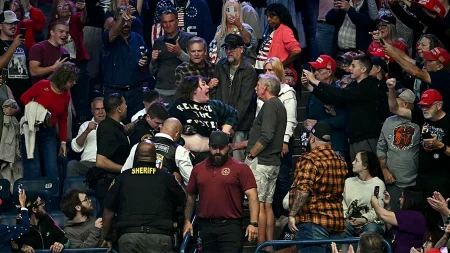



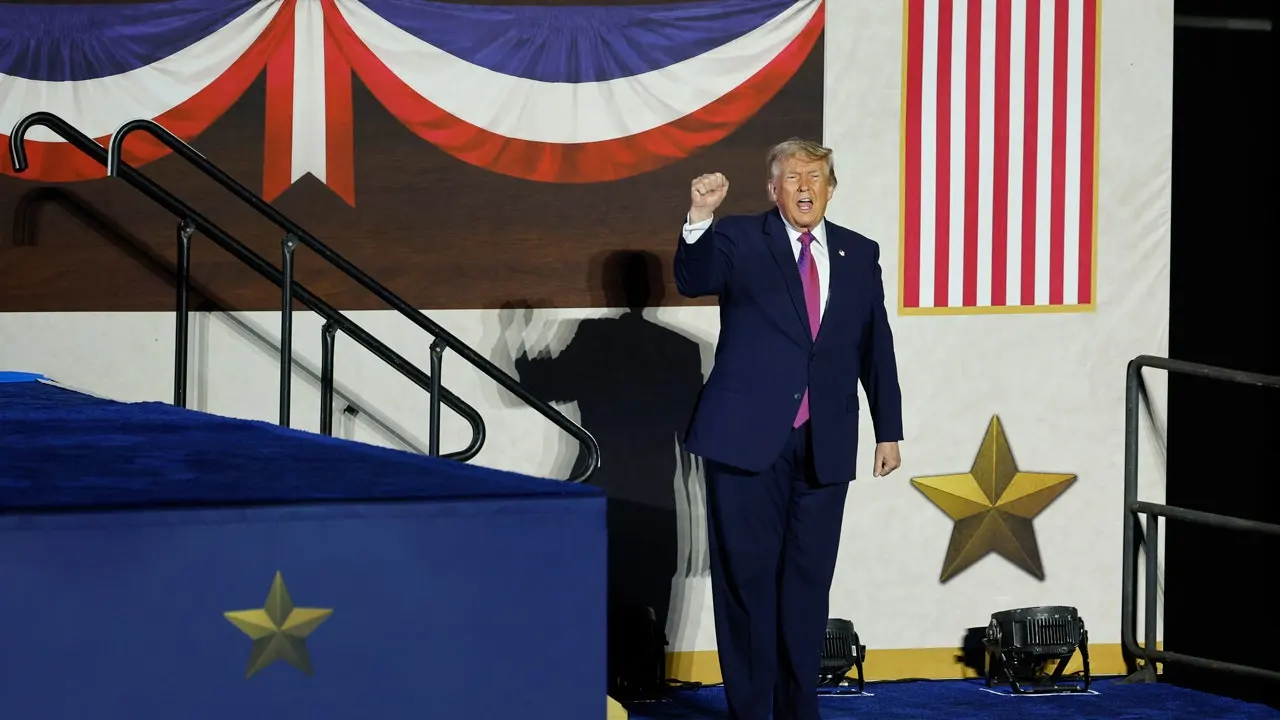
On the eve of America’s historic 250th anniversary, President Donald Trump delivered a powerful, sweeping patriotic address against the grand backdrop of Mount Rushmore. Speaking before a roaring crowd beneath the towering granite visages of George Washington, Thomas Jefferson, Theodore Roosevelt, and Abraham Lincoln, Trump celebrated the United States as the most exceptional nation to ever exist. The event served as a major kickoff for national Semiquincentennial festivities, blending a celebration of the country’s historic milestones with a firm, forward-looking vision. The atmosphere was charged with national pride, amplified by a dramatic flyover of the new Air Force One that sent waves of cheers through the spectator stands, followed by a brilliant fireworks display illuminating the Black Hills.
Throughout his remarks, Trump championed the unique legacy of American exceptionalism, arguing that the nation’s founding and survival remain unparalleled achievements in human history. He reminded the audience that at 250 years old, America stands as the oldest republic, the freest society, and the most powerful country on earth, guided by a righteous and enduring Constitution. His speech was a heartfelt tribute to the generations of citizens who built the country, framing its existence under God as the most incredible feat ever accomplished by human hands. By highlighting these historic triumphs, he sought to inspire a deep sense of gratitude and unity among Americans as they reflect on two and a half centuries of progress and global leadership.
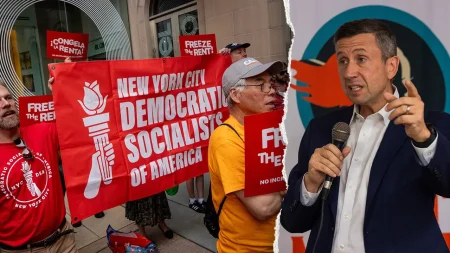
However, the address was not merely a retrospective; Trump also issued a stark warning about modern ideological challenges, specifically pointing to what he characterized as a rising communist movement at home. He described this movement as an existential threat to the nation’s identity, suggesting it seeks to alienate citizens from their heritage and dismantle the core values that define the American character. Comparing this ideological struggle to pivotal moments in military history, Trump insisted that communism stands in direct opposition to the foundational promises of life, liberty, and the pursuit of happiness. He emphasized that the nation must confront this threat directly to preserve its unique inheritance for future generations.
In a direct appeal to the crowd, Trump drew a sharp line between patriotism and opposing ideologies, asserting that citizens must choose where their allegiances lie. He declared that one cannot harbor loyalty to Marxian ideals while remaining faithful to the American promise, urging listeners to stand firm as patriots. To ground his message, he invoked the memory of those who fought in historic battles from the Revolutionary War to World War II, noting that American ancestors did not sacrifice their lives at places like Concord, Gettysburg, or Normandy to see their heritage compromised by radical factions. This appeal to sacrifice served as a call to action for modern Americans to guard their freedoms with the same resolve.
Focusing on the four presidential giants carved into the mountain behind him, Trump rededicated the nation to the bold and daring spirit of those historic leaders. He praised Washington, Jefferson, Lincoln, and Roosevelt as men of destiny and immense capability, suggesting that their monumental legacies should serve as the blueprint for America’s future. By standing in their shadow, Trump argued, modern Americans are called to be just as ambitious, noble, and courageous in facing the frontier of the next 250 years. This symbolic rededication was designed to bridge the gap between the heroes of the past and the responsibilities of the present generation.
As the celebration at Mount Rushmore concluded, anticipation built for the main anniversary events, with Trump scheduled to deliver another major address on the National Mall in Washington, D.C. The President closed his remarks on a highly optimistic note, rejecting any sense of national decline and instead framing the milestone as a dawn of new possibilities. Rather than viewing the 250th anniversary as a culmination of the American story, he declared it to be the grand opening chapter of a new golden age. With major firework displays prepared to light up the capital, the speech set a resilient, hopeful tone for a nation reflecting on its past while stepping boldly into its future.