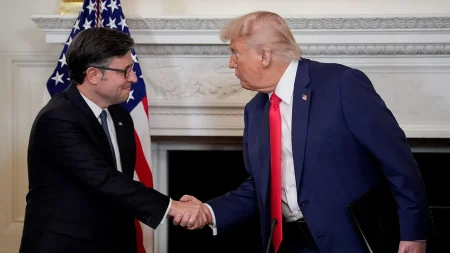





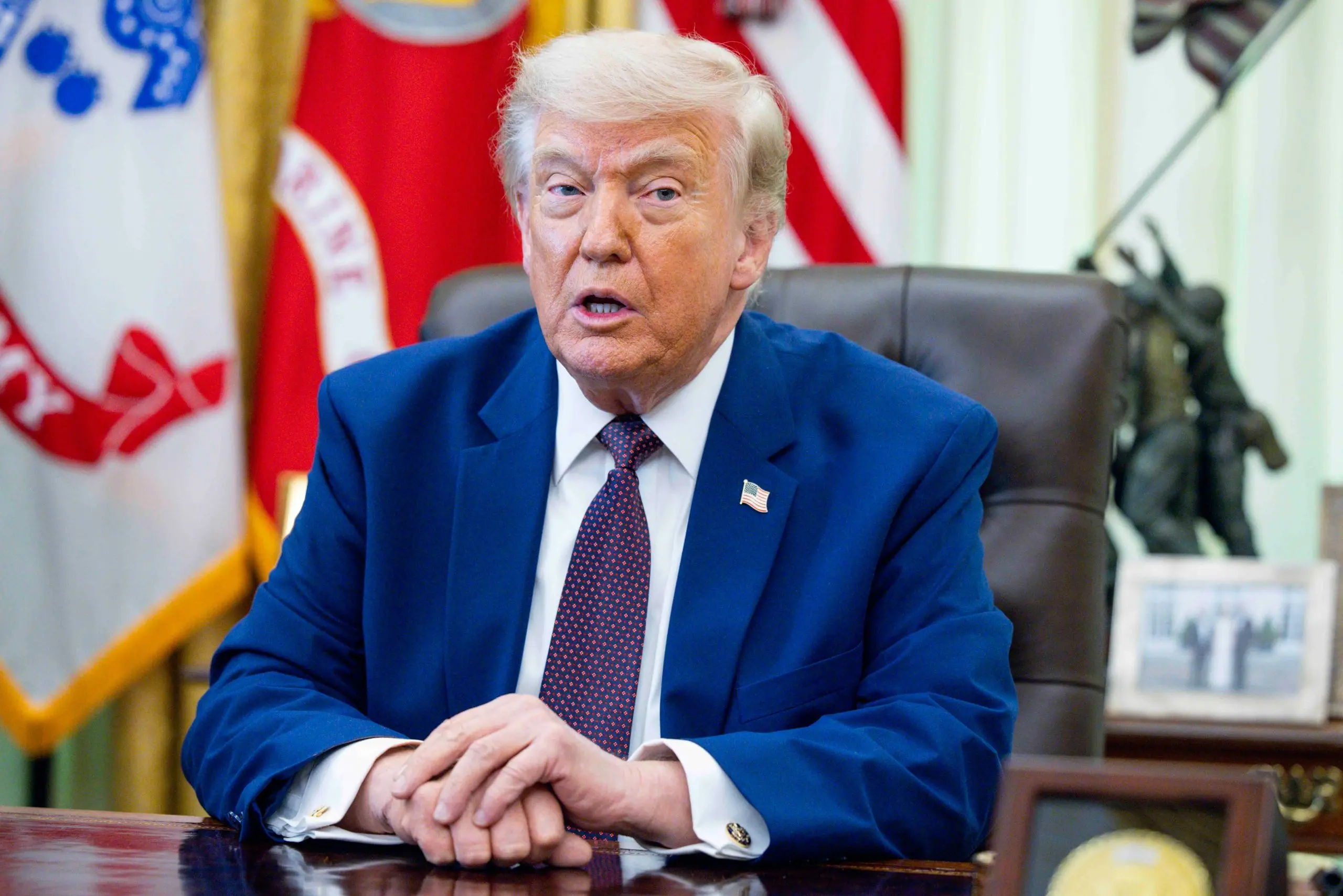
In a move that highlights the ongoing battle over government regulation and consumer independence, President Donald Trump has issued full executive pardons to six individuals who were prosecuted under the Biden administration for altering vehicle emissions systems. Announcing the decision on Truth Social, Trump framed the prosecutions as a prime example of administrative overreach and “stupidity,” passionately declaring, “I AM SETTING THEM ALL FREE, RIGHT NOW!” The president characterized the defendants not as federal offenders, but as ordinary Americans who were unjustly penalized for simply trying to fix their own vehicles. This high-profile act of executive clemency represents a direct challenge to the environmental enforcement policies of his predecessor, signaling a dramatic shift in how the federal government views regulatory compliance and the everyday rights of vehicle owners.
By framing this issue around the common-sense right of citizens to maintain their own property, the pardons serve as a cornerstone of Trump’s broader advocacy for the “right to repair” movement. Earlier in the week, the president signed a landmark memorandum aimed at lowering repair costs and protecting the rights of consumers and independent mechanics to service their own vehicles without relying on manufacturer-approved parts. During a press conference in the Oval Office, Trump explained that his decision was sparked by what he saw as an absurd overreach of federal authority, stating, “It came to my attention because I noticed they were arresting people for fixing their car. We rule by common sense.” For Trump and his supporters, these pardons are a symbolic victory for working-class Americans against a heavy-handed federal bureaucracy.
At the heart of this legal drama is a federal environmental case involving Elite Diesel Service Inc. and its owner, Troy Lake Sr., who received a full and unconditional pardon that effectively erases his conviction. Under the Biden administration, federal prosecutors had targeted Lake and his company for allegedly instructing employees to bypass computerized diagnostic systems on nearly 350 heavy-duty commercial trucks. These diagnostic systems are mandated under the Clean Air Act to monitor emissions and ensure vehicles comply with federal environmental standards. In late 2024, Lake had been sentenced to over a year in prison along with significant financial penalties, while his company was placed on five years of probation and ordered to pay hefty fines, including contributions to state environmental programs.
The federal prosecution asserted that Elite Diesel was the hub of a multi-state conspiracy, collaborating with various diesel garages and truck fleets to hide emissions failures. According to the U.S. Attorney’s Office for the District of Colorado, the Environmental Protection Agency’s expansive investigation swept up business owners across seven states, resulting in severe financial penalties and court-ordered community service projects aimed at offsetting environmental damage. Under the previous administration, EPA officials strongly defended these prosecutions, arguing that bypassing emission controls constituted a major threat to public health. They cited studies claiming the modified trucks released thousands of tons of harmful nitrogen oxides into the air, presenting the defendants’ actions as a deliberate conspiracy to degrade air quality rather than a series of harmless repairs.
This clash of perspectives illustrates a deeper, systemic argument about the boundaries of federal regulations and individual liberty. While environmental regulators and prosecutors viewed the modifications as a serious public health hazard that undermined clean air laws, Trump and his allies viewed the rules as an excessive burden on small businesses and independent mechanics. By utilizing his executive power to wipe out these convictions, Trump is sending a clear message that his administration will prioritize deregulation and the protection of blue-collar workers over stringent environmental mandates. This division highlights a fundamental disagreement on the role of federal agencies, contrasting a strict regulatory approach with a populist philosophy that champions self-reliance and the reduction of government intervention in daily life.
As the political dust settles, the immediate practical impact of these pardons is still unfolding. While the White House has yet to release a detailed statement and the Justice Department’s Office of the Pardon Attorney has not formally updated its records, the political implications are already clear. This decisive action has reignited a passionate national conversation about consumer rights, environmental stewardship, and the ultimate limits of executive authority. For supporters of the right-to-repair movement, the decision represents a major milestone in the fight against restrictive regulations, while environmental advocates view it as a troubling setback for clean air enforcement. Ultimately, these pardons stand as a powerful reminder of how quickly federal priorities can shift, leaving a lasting mark on both the legal landscape and the lives of the individuals involved.