

The Unshakable Resolve of a President Targeted Yet Again
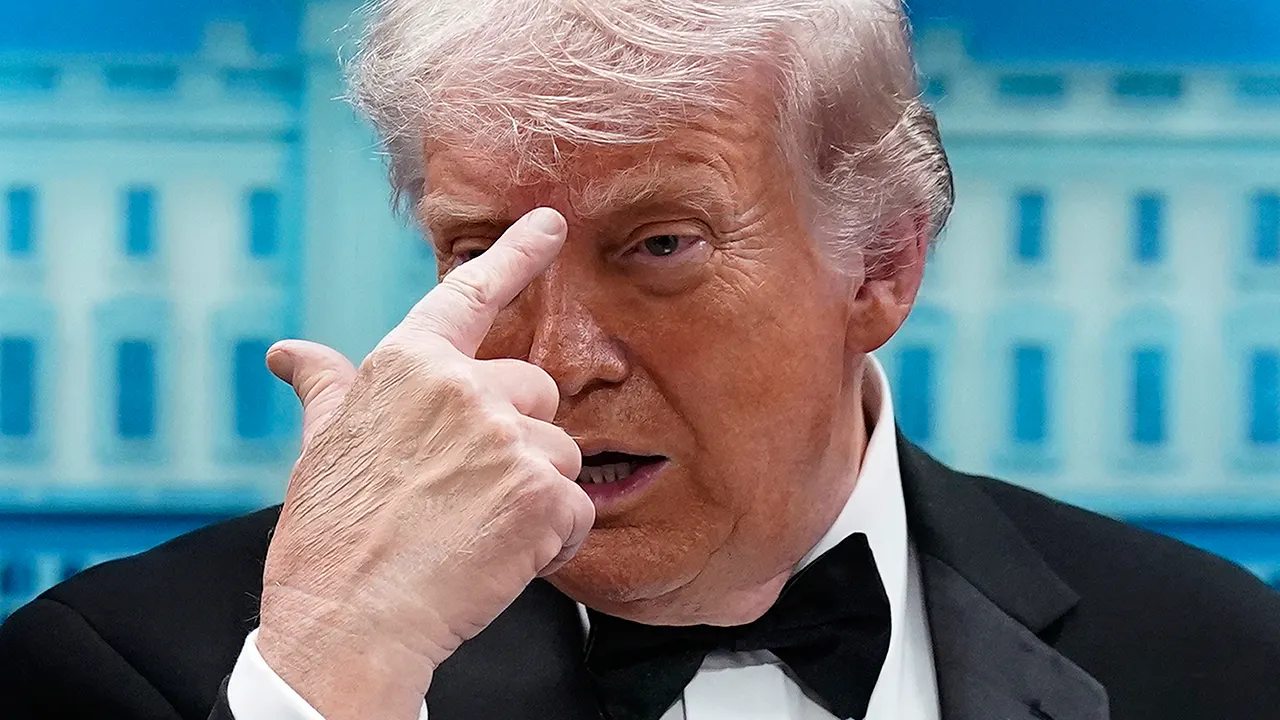
Imagine Donald Trump, standing before a room full of journalists at the White House Correspondents’ Association Dinner on a Saturday night, tuxedos still crisp but the air thick with tension. Just moments earlier, shots had rang out outside the Washington Hilton, nearly mirroring the chaos from Ronald Reagan’s 1981 assassination attempt on the same ground. Trump, having looked death in the face three times now—including a bullet grazing his ear in Pennsylvania—smirks through the ordeal, calling it the world’s most “dangerous profession.” In his press briefing, he draws on history to make his point: “I’ve studied assassinations, and I must tell you, the most impactful people, the people that do the most” are the ones targeted. Think Abraham Lincoln, he says—the giants who shake up the world. “They don’t go after the ones that don’t do much because they like it that way.” It’s a raw, human moment, where Trump hints at an honor in being singled out, not with bravado, but with a cautious admission: “I hate to say I’m honored by that.” This isn’t just politics; it’s the story of a man who’s become a living symbol of perseverance, his resolve hardening like steel in the fire. The crowd that night, a mix of Republicans, Democrats, freelancing thinkers, and media foes, shows a rare unity as they’re evacuated. Trump praises it, urging Americans to “recommit with their hearts and resolving our differences peacefully.” It’s a plea that feels genuine in these fractured times, where divisions run deep but fear can bridge gaps. One officer, shot in the chest right outside, thanks to his bulletproof vest, survives and walks away in good spirits—Trump personally commends him. This latest scare adds to Trump’s legend, a narrative of survival that Republican staffers say has only made him stronger over the past year. It’s not just about evading bullets; it’s about refusing to let threats redefine his path forward.
Shattered Night at the Hilton: The Details Unfold
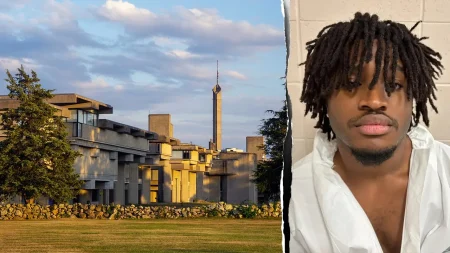
As the WHCA dinner buzzed with anticipation, the night turned nightmarish when gunfire erupted near the ballroom. Authorities paint a picture of chaos: a lone gunman, Cole Tomas Allen from California, armed with multiple weapons, rushing a security perimeter. Shots were fired, one striking a Secret Service agent square in his ballistic vest—miraculously, the officer wasn’t fatally wounded, saved by equipment that did its job from point-blank range. Allen was tackled to the ground, no return fire needed from the agents who subdued him swiftly. Trump and Melania were whisked away for safety, the event canceled midway. In the aftermath, Trump spoke with that trademark directness, reassuring everyone: “I just spoke to the officer and he’s doing great. He’s in great shape. He’s very high spirits.” This human touch—checking on a hero who took a hit—reveals Trump’s side beyond the politician: a leader who values his protectors personally. Allen now faces firearms and assault charges, joining a grim gallery of suspects who’ve tried to strike at the president. It’s a reminder of how ordinary events can spiral into history-making moments, with lives hanging in the balance. The room, filled with “a tremendous amount of love and coming together,” as Trump described, becomes a microcosm of what could be—a fleeting unity amid discord. This isn’t dry news; it’s a pulse-pounding account of human bravery and frailty, where one man’s quick actions preserved the peace.
Echoes of Past Attempts: A Pattern of Peril
Looking back, Trump’s security nightmares form a tapestry of close calls that defy belief. The Butler, Pennsylvania, rally on July 13, 2024, set the tone: 20-year-old Thomas Matthew Crooks climbed a roof and unleashed gunfire, grazing Trump’s ear and tragically killing rallygoer Corey Comperatore—a father whose widow later shared gut-wrenching details of their final moments. Crooks was neutralized by a Secret Service countersniper, but the blood on stage embodied the stakes. Then, in September 2024, Ryan Wesley Routh lurked on a golf course in Palm Beach, Florida, with a rifle aimed at Trump playing at Trump Turnberry. Agents spotted him just in time, opening fire before he could shoot—the suspect was later sentenced to life, receiving a harsh verdict for his Intent. Most recently, a sniper’s nest was uncovered near Air Force One’s landing spot at Palm Beach International, another breach that screamed vulnerability. These aren’t isolated incidents; they’re a chronicle of a presidency under siege, where Trump’s image shifts from merely controversial to historically extraordinary. Imagine the toll on those around him: the family evacuations, the canceled speeches, the constant vigilance. Yet, Trump frames it as proof he’s on the right track, targeting big changemakers. Corey Comperatore’s story, in particular, humanizes the tragedy—a devoted husband and patriot cut down in the crowd, leaving behind a grieving widow and insights into love and loss. It’s not just about Trump; it’s about the everyday people caught in the crossfire, their stories adding depth to this ongoing saga.
A Call for Unity Amid Division
In the haze of the Hilton evacuation, Trump doesn’t retreat; he rallies. At the press briefing, still dressed formally despite the disruption, he reflects on the “record-setting crowd” at the dinner—a gathering of ideological opposites who, for a moment, stood as one. “There was a tremendous amount of love and coming together,” he says, watching Democrats, Republicans, liberals, and conservatives mingle before the chaos. It’s a poignant contrast to America’s polarized landscape, where culture wars and politics fuel endless debates. Trump leverages the moment to urge reconciliation: “We have to resolve our differences.” This plea feels heartfelt, coming from a man who’s survived gunshots and plots, yet champions peaceful discourse. He jokes that words like “conservatives, liberals, and progressives” might be “interchangeable, perhaps, but maybe they’re not,” injecting humor into heaviness. Fans, too, have rallied around him; Trump notes gaining supporters after the Pennsylvania attempt—something clicked when the bullet hit, turning skeptics into allies. This humanizes the figurehead: a polarizing personality who, in crisis, seeks the common ground. Scrutiny mounts over security lapses, as with recent reports on the Charlie Kirk shooting and calls for declassified documents, but Trump stands firm. He’s not cowering; he’s planning to reschedule the dinner. “We’re not going to let anybody take over our society,” he declares. It’s a rallying cry that resonates on a personal level, inviting readers to picture families divided by politics finding paths to forgiveness, much like how Trump envisions the nation moving forward.
Broader Shadows: Threats That Lingered
Beyond the headline-grabbing attempts, Trump’s history brims with menacing undertones dating to his first campaign. In June 2016, a British man, Michael Steven Sandford, tried yanking a gun from an officer at a Las Vegas rally, later confessing killer intent, per court records. March that year saw Thomas Dimassimo leap onstage in Dayton, Ohio, only to be tackled by Secret Service. Even in November 2016, a Reno stage cleared amid a “gun” shout, though the suspect proved unarmed. Later threats spilled over: a 2020 ricin letter laced with poison, an Iran’s alleged 2024 murder-for-hire scheme uncovered by authorities, and a 2017 North Dakota incident where a man steered a forklift toward Trump’s motorcade. In February 2025, a 21-year-old armed with a shotgun and gas canister near Mar-a-Lago met a fatal end from Secret Service gunfire while Trump was elsewhere. These vignettes paint a picture of relentless threat, each one a near-miss that tests the limits of protection. Humanizing these: think of the officers who confront danger daily, shielding a man whose words ignite passions and enmities alike. Critics question the Secret Service’s readiness, with ongoing probes into breaches, yet Trump credits “incredible” response times. It’s a narrative of protection and peril, where every averted crisis reveals the human cost—nerves frayed, lives risked. Trump’s circle, as detailed in books on his inner reactions post-attempts, speaks to enduring bonds, offering solace amid the storm.
Forging Ahead: The Indomitable Spirit
Trump’s tale isn’t one of victimhood but victory. Three assassination attempts haven’t dimmed his spotlights; they’ve amplified them, painting him as a survivor unbound by caution. He hints at a duty to push on: “We’re going to reschedule. We’re not going to cancel things.” This defiance echoes past presidents who’ve faced the abyss, emerging emboldened. The human core? His empathy for the wounded officer, the widow’s grief, the call for unity in a fractured era. As scrutiny grows—with senators like Hawley demanding declassified docs and acting Secret Service directors citing “numerous changes”—Trump remains unflappable. He’s won new admirers, turned critics to fans, and framed threats as badges of impact. This isn’t just news; it’s inspiration for those walking tightropes, reminding us that resilience trumps fear. Imagine a leader who, after brushes with death, still champions the “tremendous amount of love” seen in unlikely crowds. It’s a story of humanity’s grit, where would-be tragedies forge unbreakable resolve, urging all to rise above differences. In Trump’s words, “We must resolve our differences peacefully”—a legacy not of bullets dodged, but bridges built. As America navigates divisions, this saga hopes to unite, one human connection at a time.