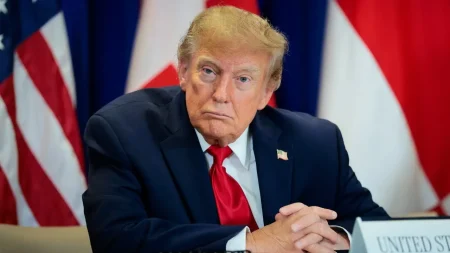






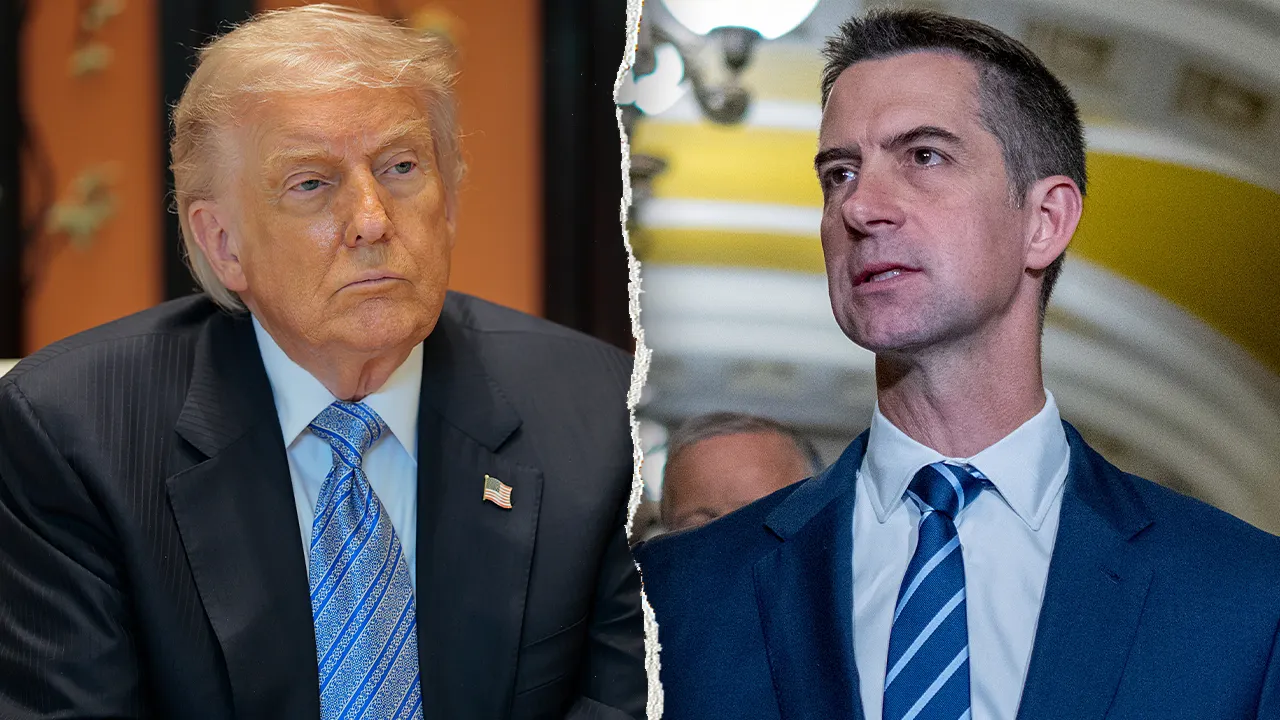
On a late October evening, President Donald Trump did something that blurred the line between political pressure and personal invasion: he took to Truth Social and shared the personal cell phone number of Senator Tom Cotton, Republican of Arkansas. The context was a familiar one: the ongoing fight over making Daylight Saving Time permanent, or ending the twice-a-year clock change, depending on how you frame it. Trump described Cotton as “a friend,” but then asked his followers in Arkansas to call that number and demand Cotton allow the Sunshine Protection Act to move forward. “For some reason, Tom is stopping the Bill and, in the Senate, it’s very easy to do, it only takes one! It should pass overwhelmingly, in a Bipartisan fashion,” Trump wrote. Then came the punchline: “So, everyone in Arkansas, a State I love, and won 3 times, the last by 34 points, tell Tom to, GET IT DONE!” And just like that, a policy dispute became painfully personal, with a real telephone number attached. It was the kind of move that makes politics feel less like a debate over legislation and more like a family feud, complete with an uninvited guest handing out the family member’s private number. Fox News Digital called the number, which appeared to be tied to a Dardanelle, Arkansas, area code, but did not reach Cotton directly. By then, the damage—or the point, depending on your perspective—had already been made.
The bill itself has a long and frustrating history, and much of the frustration now sits on Cotton’s desk, or more accurately, in his Senate office, where he has effectively parked the measure. The House passed its version of the Daylight Saving Time reform in July by a strikingly bipartisan vote of 308–117, a rare moment of agreement in a deeply divided Congress. But in the Senate, the story is different. The bill was referred to a committee and has been sitting there untouched, ignored, and effectively stalled. Senator Cotton is not the chair of that committee, but in the Senate, one person can object to unanimous consent, and that single objection is often enough to kill momentum. Trump has been pushing hard for the change, arguing that keeping the clocks forward year-round would do everything from reducing crime and car accidents to lowering risks of heart problems, stroke, and seasonal depression. To Trump, it’s a quality-of-life issue, and he has been relentless in making that case. But the Senate is out of session until November 3, and with midterm elections looming, the bill will not get a vote before voters head to the polls. That timing makes the current showdown more symbolic than legislative, but no less heated for it. Cotton, for his part, has not wavered. He responded on X, formerly known as Twitter, by doubling down on his opposition and framing it as a matter of common sense and child safety, rather than an act of obstruction.
Cotton’s response was measured, but it carried the weight of someone who has been here before. “No one likes changing the clock, me included, but Congress has enacted permanent Daylight Savings Time multiple times before and repealed it each time once Americans experienced absurdly late sunrises in the winter,” he wrote. Then came the line that truly humanizes the conflict: “Arkansans don’t want their kids going to school in the pitch dark, and I’ll always put Arkansas first.” That simple image—children standing at a bus stop in the dark on a cold January morning—is the quiet, human argument behind Cotton’s position. It’s not about partisan gamesmanship, at least not to him. It’s about a real, tangible consequence that would affect families across his state, and he clearly believes that making Daylight Saving Time permanent would create a new set of problems, even as it solves others. Trump, by contrast, paints a very different picture: longer evenings, safer streets, more daylight for families after work and school. Both men are speaking as if they genuinely want better outcomes, but their visions collide over a simple question: whose inconvenience matters more? For Cotton, it’s the early morning hours; for Trump, it’s the evening hours and everything they make possible. That tension is not new, but Trump’s decision to make it personal with a phone number changed the tone of the entire conversation.
This is not the first time Trump has publicly exposed a lawmaker’s private contact information. In 2015, while campaigning for president, Trump shared the cell phone number of then-Senator Lindsey Graham, Republican of South Carolina, at a rally. That moment came after Graham had called Trump a “jackass” on CBS that same morning. It was a raw, unpolished move, the kind of thing that made political insiders cringe and voters on both sides wonder where the line should be drawn. Sharing a phone number may seem small compared to some political attacks, but it’s invasive in a way that is almost intimate. A cell phone is personal. It’s where people connect with their families, their friends, their staff, and their own private lives. When a president tells thousands of supporters to call that number, it stops being a tool of communication and becomes a tool of harassment, whether that is the intention or not. Trump has never seemed bothered by that line. To his supporters, it’s evidence that he plays hardball and refuses to let Washington insiders hide. To his critics, and to Cotton’s friends in the Senate, it’s an abuse of power and an invitation to pressure a man who is simply exercising his constitutional role. Either way, the strategy is unmistakable: make it impossible for a lawmaker to ignore you by making it impossible for him to ignore your supporters.
But here, the political calculation gets more complicated. Cotton is not a moderate trying to please everyone; he is a conservative Republican from Arkansas, a state Trump won three times, the last by 34 points. Trump knows this. He acknowledged it in his own post, mentioning his love for Arkansas and his record there. By appealing to Arkansas voters to pressure Cotton, Trump is gambling that his own popularity among the state’s Republican base is stronger than Cotton’s local standing. That might be true, but Cotton has built a reputation for being independent-minded, even stubborn, when it comes to representing his home state. He has positioned himself as a serious national security hawk and a reliable conservative, but he has also shown a willingness to break with his party’s loudest voices when he believes they are wrong. His response to Trump was not angry, not defensive, and not apologetic. It was a quiet, firm, and very public statement of principle: he cares more about Arkansas families than about presidential pressure, even from a friend. That kind of response can resonate with voters far beyond Arkansas, particularly those tired of seeing politicians bow to every tweet or truth from a powerful figure. At the same time, Trump’s move may be a warning to other Republican senators, a reminder that crossing him can bring national attention and a flood of calls, texts, and voicemails from people they have never met.
In the end, this moment is about more than Daylight Saving Time, and more than a phone number. It is a snapshot of how American politics has changed, and how the personal and the political have become almost inseparable. There is something deeply human about both sides of this fight. Trump genuinely believes permanent daylight time would make life better for millions of people, and he is not wrong that the twice-yearly clock change is widely disliked. Cotton also has a legitimate point: the policy has been tried before, and the consequences were not always what people expected. Neither man is being unreasonable on the merits. But the way Trump went about making his point, by handing out a personal cell phone number like a flyer at a rally, reveals a broader truth about our political culture. We have become a country where the loudest voice often wins, where pressure is personal, and where the private lives of public figures are treated as public property. The phone call Fox News Digital made to that Arkansas number was a reminder that somewhere on the other end of the line is a real person, a senator with a family, a career, and a conscience. Cotton may have been right to stand firm, or he may be standing in the way of an idea whose time has come, but he should not have to argue his case with the whole world dialing his cell phone. Still, that is the world we live in, and it is unlikely to change anytime soon. Trump has made his point loudly and personally, Cotton has made his quietly and just as firmly, and the people of Arkansas—the parents, the kids, the school bus drivers, and the voters—are left waiting to see whether the sun will rise before class or set after dinner. The issue may remain unresolved after the midterms, and the personal wounds from this fight may linger even longer, but the debate itself is not going away. It will come back, as it always does, with the turning of the clocks, and with it, the question of whose priorities should run the day.