






The Human Story Beneath the Headlines: A City in Turmoil
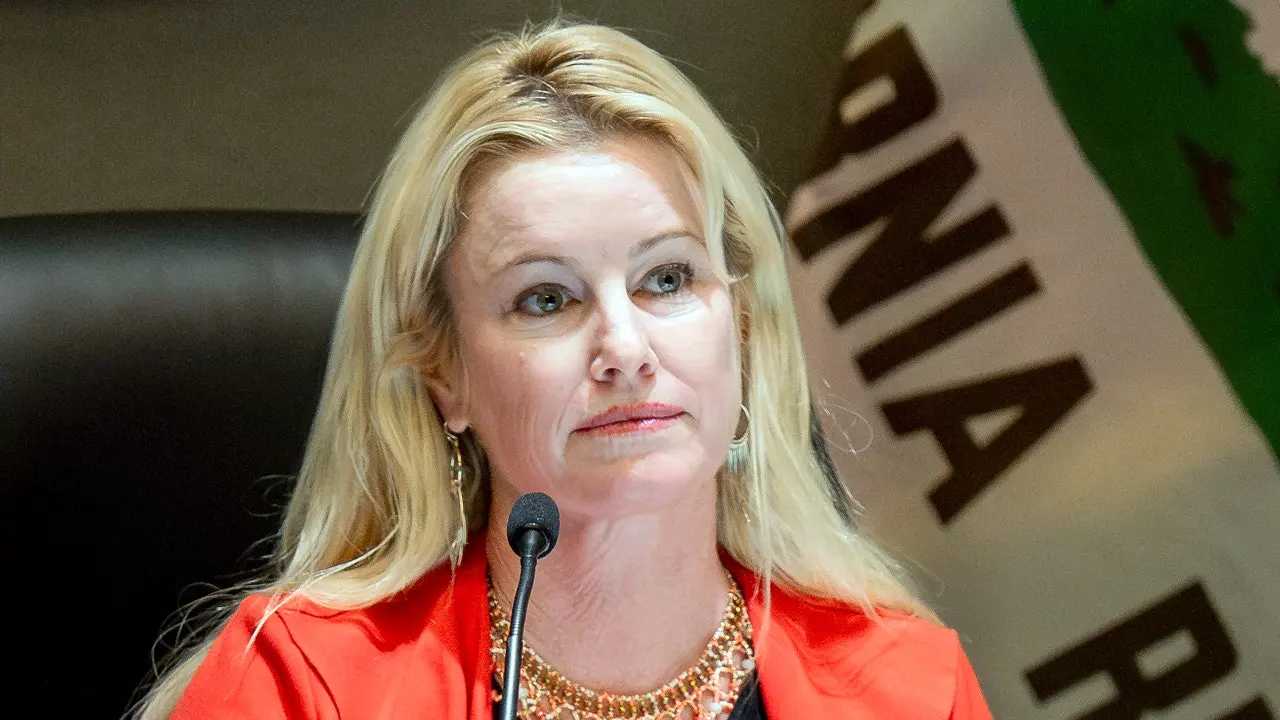
Behind the polished facade of Anaheim’s city hall, a deeply personal and troubling narrative has emerged, one that pits a mayor’s trusted advisor against the very person she once served. The story centers on Berenice Ballinas, a chief of staff who claims she endured a relentless campaign of humiliation, discrimination, and emotional distress at the hands of Mayor Ashleigh Aitken. This isn’t merely a list of procedural grievances; it is a human tale about power, vulnerability, cultural identity, and the silent struggles that unfold in professional relationships when boundaries are crossed and trust is shattered. The recently released 25-page government claim offers a window into a working environment that allegedly shifted from professional duty to a distressing cycle of personal attacks, leaving one woman’s career and well-being hanging in the balance.
The most visceral accusations revolve around the mayor’s alleged behavior when drinking, painting a picture of events that move beyond the typical political scandal into the realm of personal safety and responsibility. Ballinas describes a night in April 2025 when she was tasked with driving a visibly impaired Mayor Aitken home from a City Council meeting. What should have been a quiet ride turned into an invasion of privacy, as the mayor began rifling through the city manager’s personal belongings and taking photos. The distress of that moment must have been palpable; a staff member’s duty to protect her principal collided with the surreal reality of that principal acting unpredictably and inappropriately. The tension in that car, with Ballinas pleading with the mayor to delete the private photographs, encapsulates a complete reversal of the normal power dynamic, forcing her into the uncomfortable role of chaperone and moral compass.
Beyond the alleged intoxication, the claim introduces a more insidious element of cultural and racial insult that cuts to the core of a person’s identity. Ballinas, a woman of Mexican heritage and Catholic faith, alleges she was subjected to derogatory comments about her background, including a vulgar slur. Perhaps the most degrading account occurred after a separate event at Disneyland, where she offered to drive the mayor out of concern for her safety. The alleged refusal—prefaced on the mayor’s unwillingness to be driven by “a Mexican”—must have been a moment of profound hurt and alienation for Ballinas. The claim suggests a pattern of behavior that didn’t just cross professional lines but dehumanized her based on her heritage, turning her place of employment into a source of emotional pain rather than professional pride.
The claim also alleges inappropriate personal questions and boundary violations, including intrusive inquiries into Ballinas’s perceived sexual orientation during a birthday lunch at the exclusive Club 33. The scene described, with the mayor probing into her advisor’s private life while consuming alcohol, is one of remarkable awkwardness and violation of personal space. The human impact of being objectified and questioned in such a way by one’s boss is immense; it creates an environment of fear and discomfort, where an employee feels their job security is intertwined with their willingness to submit to invasive personal conversations. Ballinas felt compelled to distance herself, a natural human reaction when an intimate question feels more like an attack or a test than mentorship. This intrusion, coupled with the alleged harassment of a Disney cast member, suggests a pattern of disregarding personal boundaries that had ripple effects beyond Ballinas herself, leading to a formal complaint from the venue.
A crucial element of this story is the alleged failure of the system meant to protect employees, and the ensuing retaliation that can break a person’s spirit. Ballinas claims that the city did not adequately respond when concerns were raised, leaving her in a vulnerable position. The mental toll of enduring harassment, reporting it, and then facing a hostile work environment is a heavy burden. Forcing a person to take leave not because of their own actions but because of the unbearable atmosphere created by their superior is a cruel institutional failure. The claim that Ballinas was forced out in retaliation after attempting to do the right thing speaks to a power structure that shields the powerful at the expense of the vulnerable, a dynamic that far too many employees in workplaces across America recognize all too well.
Stepping back from the specific allegations, this story forces us to consider the human cost for both the accuser and the accused. For Ballinas, this is a battle for her reputation, her livelihood, and her sense of justice, fought in the public eye. She has risked her career to speak out, driven by a human need for accountability. For Mayor Aitken, who has denied the racial slur, the accusation is a political and personal crisis that threatens her legacy and her future as she seeks re-election. This is a human drama with high stakes: one woman is fighting for her dignity, while another is fighting for her career amidst a storm of public scrutiny. The truth, as it emerges through the official investigation, will have lasting consequences, not just for these two individuals, but for the community that trusts its leaders to represent them with integrity. The people of Anaheim are left to wonder which version of their mayor is real, and the entire saga serves as a stark reminder of what can happen when the private conduct of public officials spills over into the public square, leaving human wreckage in its wake.