


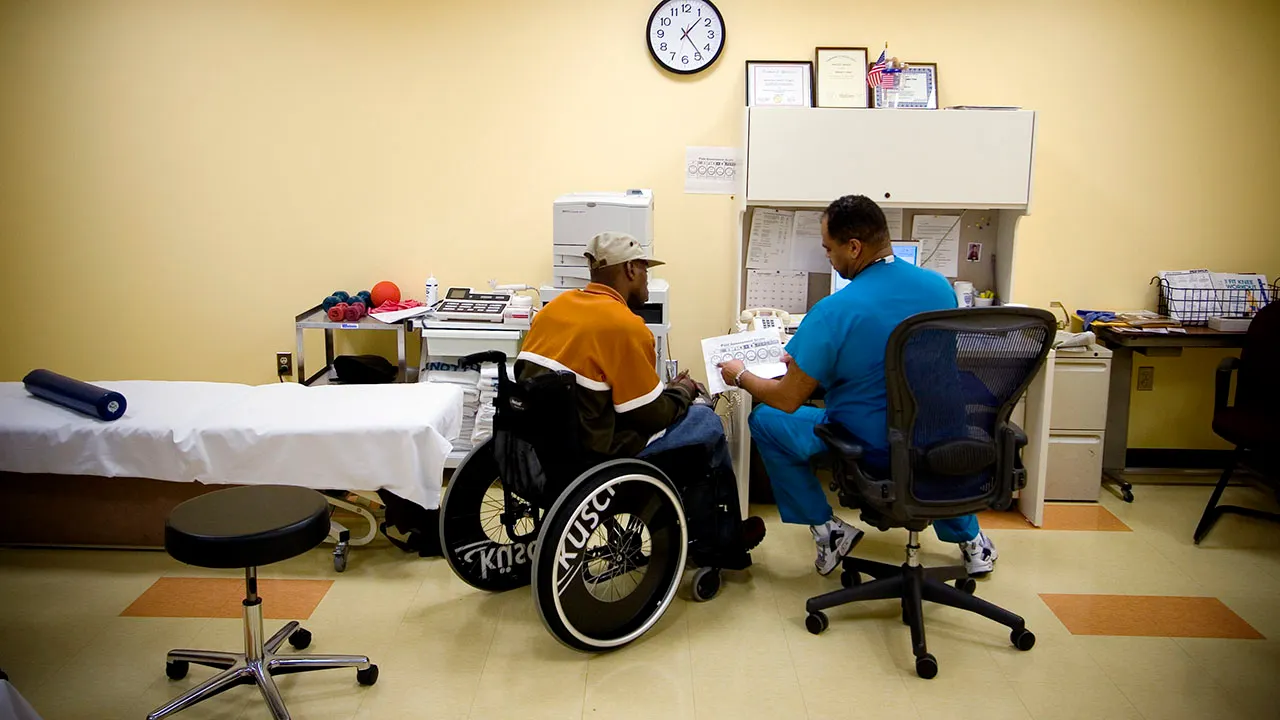
A massive, bipartisan veterans’ care package—hailed by supporters as the most significant expansion of veterans’ health care and benefits in over a decade—is poised for a dramatic return to the House floor. Officially titled the Take Care of America’s Veterans Act, the legislative powerhouse combines roughly 60 smaller bills aimed at fundamentally transforming how the nation supports its heroes. At its core, the sweeping legislation seeks to permanently secure veterans’ access to community care outside of the Department of Veterans Affairs (VA) system, boost essential benefits for combat-wounded service members, caregivers, and Gold Star families, and rapidly expand crucial mental health services. However, despite its noble intent and broad appeal, this life-saving legislation has found itself trapped in the gears of a high-stakes, partisan standoff within the House Republican conference, threatening to turn the well-being of veterans into political collateral damage.
The impasse began just before the July recess when a group of conservative House Republicans, frustrated by leadership’s handling of unrelated party priorities, joined Democrats to defeat a routine procedural rule. This rebellion effectively halted the Take Care of America’s Veterans Act and the National Defense Authorization Act in their tracks. House Veterans’ Affairs Committee Chairman Mike Bost, R-Ill., expressed deep frustration over the gridlock, explaining that a small faction of holdouts is holding all major legislation hostage as political leverage. This internal GOP rebellion is largely tied to a demand for advanced movement on the SAVE America Act—a high-profile, Donald Trump-championed bill requiring proof of U.S. citizenship to register to vote in federal elections. Representatives like Anna Paulina Luna, R-Fla., openly admitted to voting down the procedural rules as a direct protest, prompting Speaker Mike Johnson to send lawmakers home early and leaving veterans’ advocates watching in disbelief as crucial reforms were put on ice.
Chairman Bost, a staunch supporter of both veterans and the SAVE America Act, argued that halting domestic progress out of protest is incredibly counterproductive. While Bost agrees with the principles of the proof-of-citizenship voting bill, he emphasized that the House cannot simply freeze its legislative duties while waiting on a gridlocked Senate to act on unrelated election bills. With a mere 23 legislative days remaining in the current congressional session, advocacy groups are sounding emergency alarms. John Byrnes, Strategic Director for Concerned Veterans for America, warned that time is rapidly running out. Byrnes stressed that procedural delays push vital legislation down an already crowded calendar, warning that delay has human consequences: “This bill will save lives… If we lose veterans because they could have had faster, better access to health care, we’re never going to get those veterans back.”
Beyond the political theater of the SAVE America Act, the bill also faces internal resistance regarding how its extensive reforms are funded. Representative Chip Roy, R-Texas, who joined the conservative blockade, voiced significant policy concerns regarding the financial offsets embedded in the package. Roy raised objections to what he described as taxing certain veterans to pay for the benefits of others, arguing that some of the “pay-for” provisions on the table are fundamentally flawed. This sentiment is shared by the Veterans of Foreign Wars (VFW), which has taken aim at Section 108 of the bill. The organization warns that this specific provision would codify changes to future disability ratings for conditions like sleep apnea and tinnitus to help finance other parts of the bill, a move they argue unfairly penalizes future disabled service members.
In response to these financial concerns, Chairman Bost has vehemently defended the bill’s fiscal structure. He reassured the veteran community that the legislation contains zero benefit cuts for those currently receiving assistance, stating unequivocally, “No veteran is going to have their benefits reduced. If you’re receiving a benefit right now, that’s not going to be reduced at all.” Bost remains optimistic that if his colleagues can unite behind the procedural rules when the House reconvenes, the bill will comfortably pass on its merits. Yet, the path forward remains highly treacherous as members of the House Freedom Caucus continue to hint that major, unrelated priorities like border security and the SAVE Act must see movement before they allow any other significant legislation to proceed.
As Congress prepares to return to Washington, the fate of the Take Care of America’s Veterans Act hangs in a delicate balance. It represents a classic Washington dilemma: a widely supported, life-changing piece of legislation caught in the crosshairs of a broader ideological war over election integrity, border security, and fiscal responsibility. For the millions of veterans, caregivers, and military families waiting on these expanded mental health services and community care options, the upcoming floor votes are much more than a political chess match. They are a test of whether Congress can put aside partisan infighting long enough to deliver on its most sacred promise: taking care of those who put their lives on the line to protect the nation.