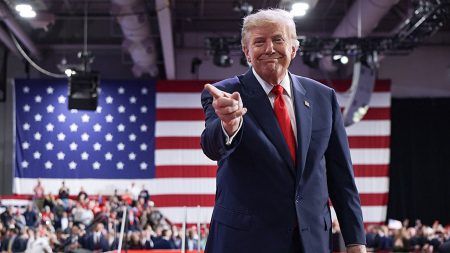



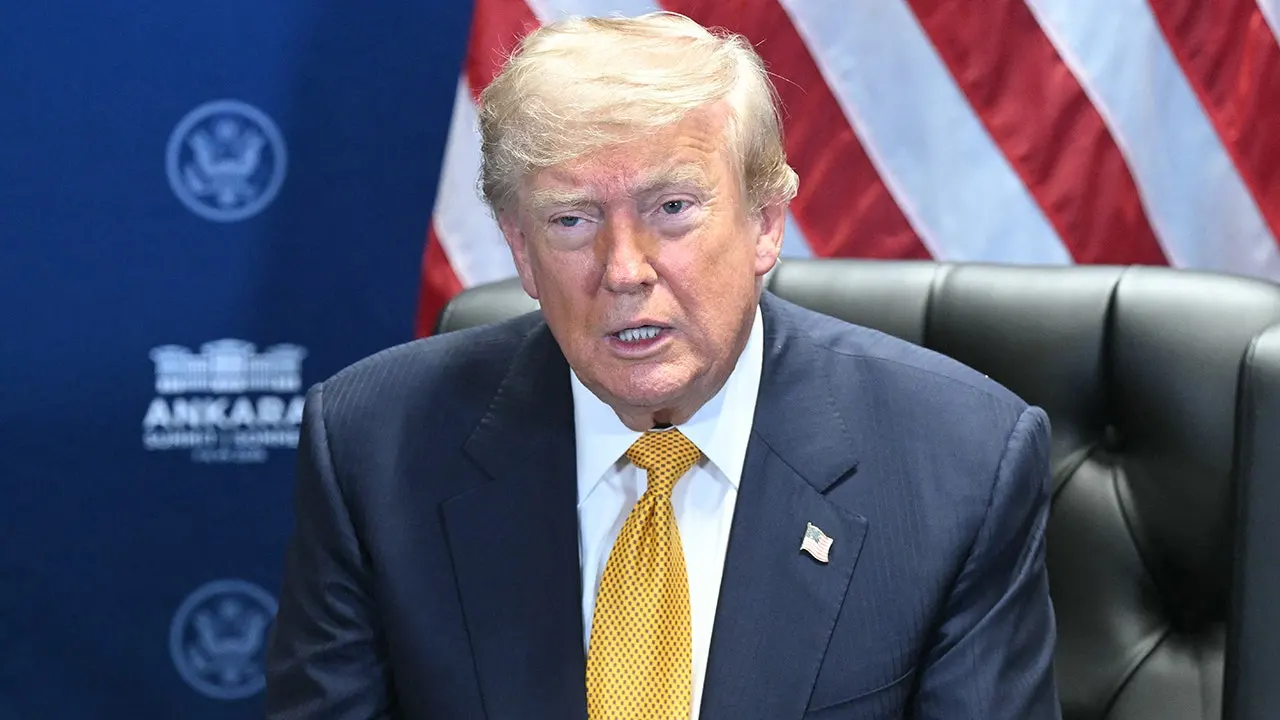
The high-stakes political drama unfolding in Washington has reached a boiling point as President Donald Trump announced his refusal to sign a major bipartisan housing bill. The legislation, officially titled the 21st Century ROAD to Housing Act, was crafted to tackle the nation’s severe affordability crisis by lowering construction costs and spurring the development of new homes. Passed with broad support from both sides of the aisle, the bill was poised for a celebratory signing ceremony. Instead, President Trump is using it as political leverage, declaring on social media that he will not sign the measure to protest Congress’s failure to pass the SAVE America Act—a controversial bill aimed at preventing noncitizens from voting. Unless the president issues an official veto, the housing bill is scheduled to quietly become law on Saturday under constitutional rules, which dictate that a bill becomes law without a signature ten days after reaching the president’s desk.
This calculated bottleneck highlights a bitter divide within Washington as the looming midterm elections intensify party rivalries. The SAVE America Act, which would mandate strict proof of citizenship to vote in federal elections, remains stalled in the Senate because it lacks the necessary support—even among some members of the president’s own party. To President Trump, however, securing the nation’s electoral system is an urgent priority that eclipses any other legislative progress, leading him to warn that any politician who opposes the voter ID measure faces a grave threat to their political future. By dismissing the bipartisan housing bill as “a yawn” and “so unimportant” compared to election security, Trump has signaled to both allies and opponents that he is entirely willing to hold up major economic relief in pursuit of his broader legislative agenda.
The president’s bold gambit immediately ignited a firestorm of criticism from congressional Democrats, who accused him of turning his back on struggling American families for personal political gain. Senate Minority Leader Chuck Schumer lambasted the move on social media, pointing out the painful irony of the president dismissing a severe housing crisis that is currently crushing millions of hardworking citizens. Schumer argued that Trump’s refusal to sign the most significant bipartisan housing package in decades makes his priorities crystal clear: favoring personal power over lowering costs for families. House Minority Leader Hakeem Jeffries echoed this sentiment, suggesting that the current administration would rather erect barriers to voting than make it easier for everyday Americans to afford a place to live, urging the public to take note of these priorities.
This political standoff comes at a particularly painful time for the American consumer, as the cost of living continues to stretch household budgets to their absolute limits. Just one day before the president’s announcement, the National Association of Realtors released a sobering report revealing that the median price for an American home has climbed to an all-time high of $440,600. For millions of young families, essential workers, and first-time buyers, the dream of homeownership is rapidly slipping out of reach as the cost of mortgages and rent continues to climb. While economists note that strong wage growth has offerred a slight buffer compared to last year, they warn that real progress is impossible without a massive influx of new housing supply to cool down the overheated market.
The human cost of this gridlock is felt deeply across the country, where local communities are desperately waiting for federal action to help build more affordable single-family homes and rental properties. The 21st Century ROAD to Housing Act was designed to cut through bureaucratic red tape and provide critical incentives to jumpstart construction, offering a glimmer of hope to communities facing severe inventory shortages. By withholding his signature, Trump has transformed what should have been a rare, unifying victory for a divided Congress into a polarizing symbol of Washington’s deep-seated dysfunction. For everyday citizens caught in the crossfire, the situation serves as a stark reminder of how easily life-changing economic relief can be sidelined by partisan brinkmanship.
As the Saturday deadline fast approaches, all eyes remain fixed on the White House to see if the president will take the additional step of issuing an official veto or simply allow the housing bill to slip into law unsigned. Regardless of the immediate outcome, this clash has set a defiant tone for the upcoming midterm elections, drawing a sharp battle line between election integrity and economic relief. For voters, the debate is no longer just about the technicalities of housing policy or voting security, but about a fundamental question of priorities. As the housing market remains stalled and the political rhetoric heats up, millions of Americans are left wondering when the promises made in Washington will finally translate into real, tangible relief under their own roofs.