


The Quiet Expansion of a Surveillance Network
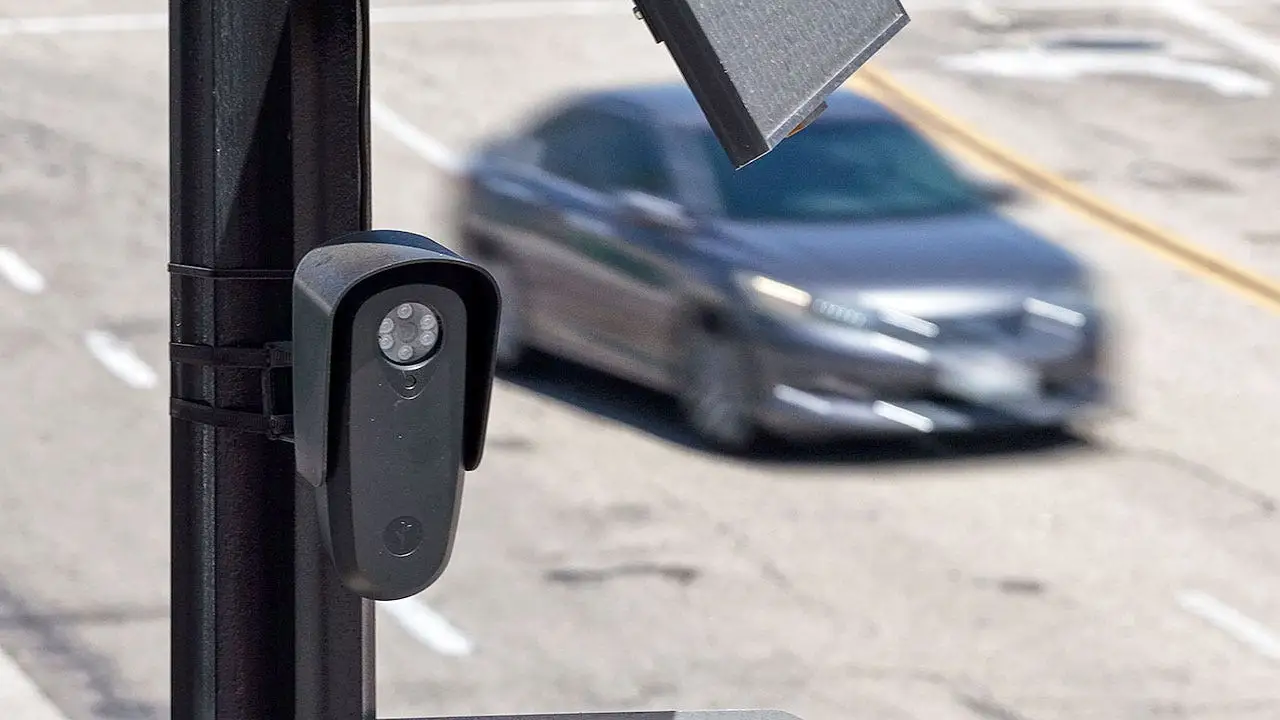
In the quiet corners of American life, where commuters drive to work and parents ferry children to school, an invisible web has been silently expanding. Senator Josh Hawley of Missouri has thrown a spotlight on this shadowy infrastructure, demanding answers from Flock Safety, a company that has woven itself into the fabric of 49 states with over 120,000 cameras capturing more than 20 billion vehicle scans each month. The sheer scale of this operation transforms what might seem like simple traffic monitoring into something far more profound—a searchable, retrospective record of where Americans have been, when they were there, and what vehicles they were driving. Hawley’s investigation, launched through his position as chairman of the Senate Judiciary Subcommittee on Crime and Counterterrorism, strikes at the heart of a growing tension between public safety and personal privacy. The question before us is no longer whether these tools help catch criminals, but whether ordinary citizens should surrender their basic expectation of privacy just to run errands, attend church, or visit family.
The Constitutional Fault Line
Robert Frommer, who directs the Institute for Justice’s Project on the Fourth Amendment, articulates what many legal scholars consider the fundamental problem with Flock’s technology. The issue, he explains, is not merely that cameras exist or that they capture images, but that police can now search through a person’s past movements without ever stepping before a judge. This bypasses a constitutional safeguard that has protected Americans for centuries. “The No. 1 reform that I think is needed here is a warrant,” Frommer insists, arguing that law enforcement should have to justify their searches before accessing this vast pool of data. He acknowledges that emergencies require immediate action—cases of imminent danger or missing people cannot wait for judicial approval—but he believes officers should still have to explain their actions afterward if they acted without a warrant. The deeper concern is that most investigations happen within days of a crime, yet these systems retain data indefinitely, creating a sweeping archive of everyone’s movements that far exceeds what any legitimate investigation requires. This isn’t about hindering police work; it’s about ensuring that the tools of modern policing respect the boundaries that define a free society.
A Community’s Crisis of Confidence
The story of Pflugerville, Texas illustrates how these concerns are moving from abstract legal debates to concrete action. After nearly five years of using Flock cameras, the city council voted unanimously to sever its agreement with the company, with Mayor Doug Weiss citing a fundamental loss of trust. “Public safety and public trust have to go hand in hand,” Weiss stated, “and recent revelations about the Flock system have fueled concerns throughout the community; we can’t engage with organizations we can’t trust.” The decision came despite police acknowledging the technology’s usefulness in protecting the community during critical incidents. Police Chief Willie Richards captured the painful tradeoff perfectly, acknowledging the tool’s value while admitting, “Unfortunately, we’ve lost confidence in the current system and the vendor’s ability to meet our data and privacy standards.” What emerges from Pflugerville’s experience is a growing recognition that good intentions and crime-fighting results cannot justify systems that operate without clear accountability. The city’s decision reflects a broader shift, as communities begin to ask not whether surveillance works, but whether the price of that effectiveness is too high.
The Texas Backlash Spreads
Further south in Hood County, Texas, the resistance took on a more visceral quality, championed by Constable John Shirley, who made national headlines when he physically unplugged and covered the county’s three Flock cameras. “These cameras were constantly scanning and recording regular folks just going about their day,” Shirley wrote in a social media post that resonated far beyond his rural Texas jurisdiction. “That kind of permanent, warrantless tracking doesn’t belong in a free society.” His message struck a chord because it framed the issue in terms that every American can understand—the simple act of living one’s life should not create a permanent record accessible without judicial oversight. Shirley was careful to distinguish between supporting police technology that helps solve crimes and opposing a surveillance system that watches everyone. “We can have good policing and still insist on boundaries,” he said. “We can use technology without giving government unlimited surveillance capability.” Even as he ordered the company to retrieve their cameras, his message contained a path forward, suggesting that better safeguards could restore the public’s confidence.
The Corporate Response and Its Limits
Flock Safety’s response to these criticisms reveals the tension between their business model and the concerns of civil libertarians. Spokesperson Paris Lewbel emphasized the company’s willingness to engage with Senator Hawley’s investigation, pointing to built-in safeguards and the fact that law enforcement agencies control their own data-sharing settings. The company argues that its system includes transparency measures, such as audit logs and monthly emails detailing sharing relationships, and that they took responsibility when two out-of-state agencies were mistakenly included in Texas’s statewide sharing network. Yet critics like Frommer dismiss these assurances as insufficient. “The fact that they technically control the data is a false promise when reality has shown that these things are often spread much further than agencies expected,” he argues. The skepticism is understandable; when agencies participate in statewide networks, they may not realize how broadly their information is being shared. The company’s defense—that individual agencies make their own choices—sidesteps the more fundamental question of whether such extensive data collection and sharing should exist in the first place.
Beyond One Company: A Systemic Question
The controversy surrounding Flock Safety points to a larger dilemma facing American society as surveillance technology becomes more sophisticated and pervasive. Tempe, Arizona, has also joined the growing list of municipalities cutting ties with the company, permanently switching off its cameras and choosing not to replace them. These local decisions, spreading across the country, represent a grassroots response to concerns that have yet to be fully addressed at the federal level. Senator Hawley’s investigation could push the conversation forward, challenging Americans to consider what kind of society we want to build. As Representative Keith Self of Texas noted, invoking Benjamin Franklin’s famous warning, those who sacrifice essential liberty for temporary safety deserve neither. The debate over Flock Safety’s cameras is ultimately about more than license plate readers; it’s about whether the United States will maintain its commitment to privacy and due process in an age of artificial intelligence and mass data collection. The answer, as these communities’ decisions suggest, may lie in insisting that technology serve justice without undermining the freedoms that make justice possible.