

The intersection of sports, identity, and the law has long been one of the most emotionally charged battlegrounds in modern American life, touching the raw nerves of fairness, biological reality, and human dignity. Recently, this national conversation reached a historic crescendo when the Supreme Court of the United States handed down a landmark 6–3 decision, ruling that states possess the legal authority to limit women’s and girls’ athletic teams to biological females. This monumental judicial outcome immediately resonated far beyond the marble steps of the Washington courtroom, striking a deeply personal chord with millions of citizens, athletes, and high-profile figures. Among them was former First Lady Melania Trump, who quickly stepped into the cultural spotlight to connect the court’s ruling with her own deeply held convictions. By drawing a direct line from the Supreme Court’s decision to the pages of her recently published, bestselling memoir, she sought to frame the moment not merely as a clinical legal victory, but as a vital validation of a balanced, compassionate worldview that she has long championed.
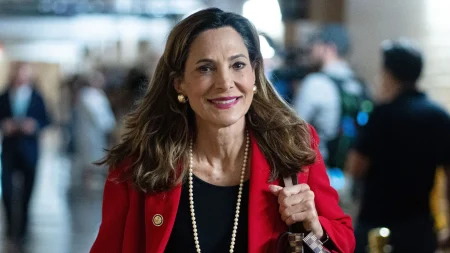
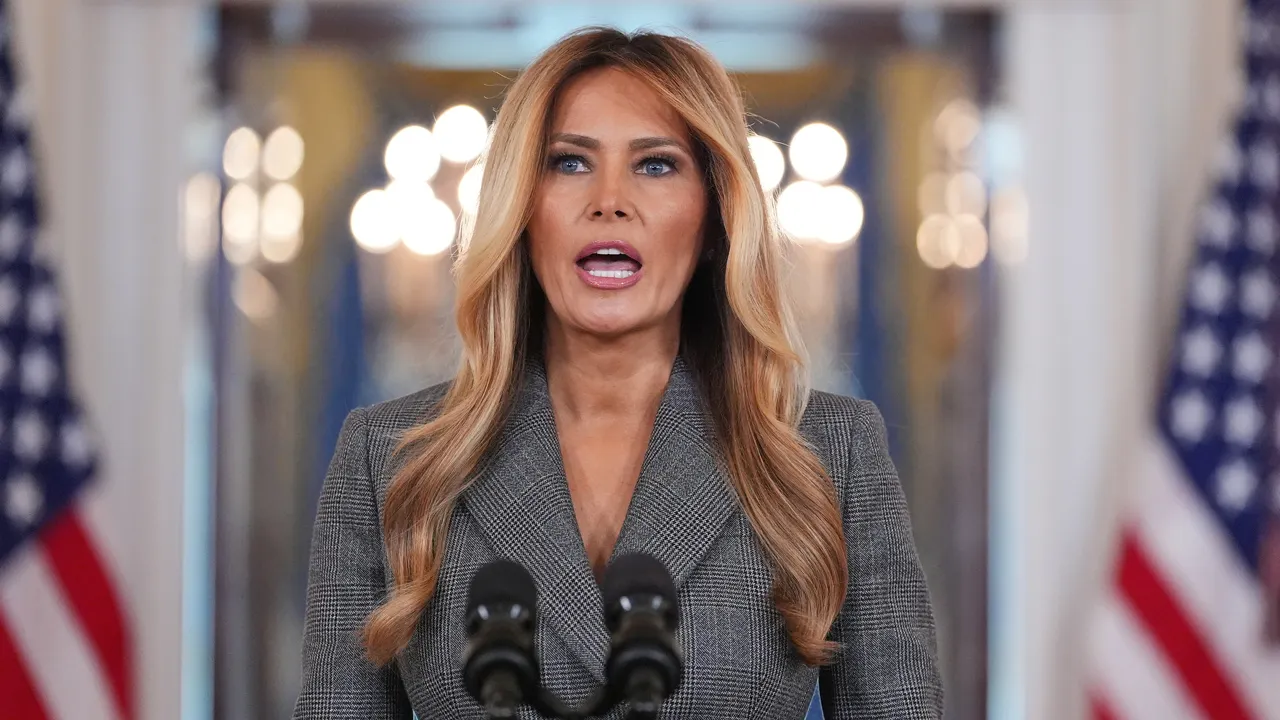
Taking to the social media platform X, the former First Lady shared an excerpt from page 156 of her memoir, Melania, which had coincidentally anticipated this exact legal debate months before the justices rendered their verdict. In her post, Trump articulated a nuanced perspective that sought to bridge the often-polarized divide between progressive inclusivity and traditional protections for women. “As many of you may know, I fully support the LGBTQIA+ community. But we must also ensure that our female athletes are protected and respected,” she wrote, emphasizing that these two values do not have to be mutually exclusive. By pairing her public support for sexual and gender minorities with an unwavering defense of biological women’s sports, she challenged the prevailing cultural narrative that one must choose between empathy and fairness. Her message was simple yet profound: America can, and should, foster a society where everyone is treated with dignity, while simultaneously safeguarding the distinct, hard-won physical arenas that biological women need to compete safely and equitably.
The legal foundation for this cultural turning point lies in the consolidated cases of West Virginia v. B.P.J. and Little v. Hecox, which forced the high court to grapple with the modern interpretation of Title IX and the Fourteenth Amendment’s Equal Protection Clause. Writing for the 6–3 majority, the justices firmly established that states do indeed have the constitutional right to define athletic eligibility based on biological sex at birth rather than gender identity. The court’s ruling declared that “consistent with Title IX and the Equal Protection Clause, we hold that the States may maintain women’s and girls’ sports for biological females.” This decisive ruling effectively dismantled the legal uncertainty that had hung like a cloud over dozens of states. For years, local school boards, collegiate athletic departments, and young women themselves had been suspended in a state of anxious limbo, unsure whether the policies designed to protect female competition would survive federal scrutiny or be struck down as discriminatory.
For advocates of the “Save Women’s Sports” movement, the Supreme Court’s decision felt like a long-awaited collective deep breath, validating years of grassroots campaigning, tearful testimonies, and intense legal battles. Currently, 27 states have enacted legislation aimed at restricting female sports categories to biological females, and this ruling gives those states the green light to enforce their laws without fear of immediate judicial blockades. State leaders who championed these laws reacted with profound relief and triumph; West Virginia Attorney General John McCuskey hailed it as a “monumental victory” that preserves a “fair and safe playing field” for girls who dream of competing on equal terms. Similarly, Idaho Attorney General Raul Labrador expressed pride in the ruling, asserting that it rightfully safeguards the very opportunities that generations of women fought so tirelessly to secure during the feminist movements of the late 20th century, ensuring that biological differences are recognized not as a basis for limitation, but as a biological reality requiring protection.
However, the human reality of this decision is not felt uniformly as a victory, and the emotional weight of the ruling falls heavily on transgender athletes and their families, who view the decision as a painful door closing on their aspirations and sense of belonging. In her dissenting opinion—joined by Justices Elena Kagan and Ketanji Brown Jackson—Justice Sonia Sotomayor reflected this profound sense of exclusion, arguing that such bans deny vulnerable youth the life-changing physical, social, and emotional benefits of team sports. For a transgender girl who simply wishes to run track, play soccer, or swim alongside her peers, the ruling can feel like a systemic rejection of her identity, reinforcing a sense of isolation during the already turbulent years of adolescence. This side of the debate emphasizes that sports are about more than just trophies and podiums; they are about community, mental health, and the fundamental human need to belong, leaving many families to navigate a landscape where their children’s identities are legally separated from the games they love.
Ultimately, the Supreme Court’s ruling and Melania Trump’s public reflections highlight a nation still deeply searching for harmony in an era of rapid cultural change. As the dust settles on this landmark legal decision, the challenge shifting from the courtroom to the community level will be finding a way to implement these laws with grace, empathy, and respect for all young people. While the legal framework now clearly permits the preservation of biological categories in sports, the human task remains to ensure that compassion is not lost in the pursuit of fairness. By urging Americans to “respect everyone and keep girls’ sports fair,” the former First Lady voiced an ideal that many hope can guide the country forward—a path where biological realities are respected, female athletes are protected, and the inherent dignity of every individual, regardless of their identity, is never forgotten.