

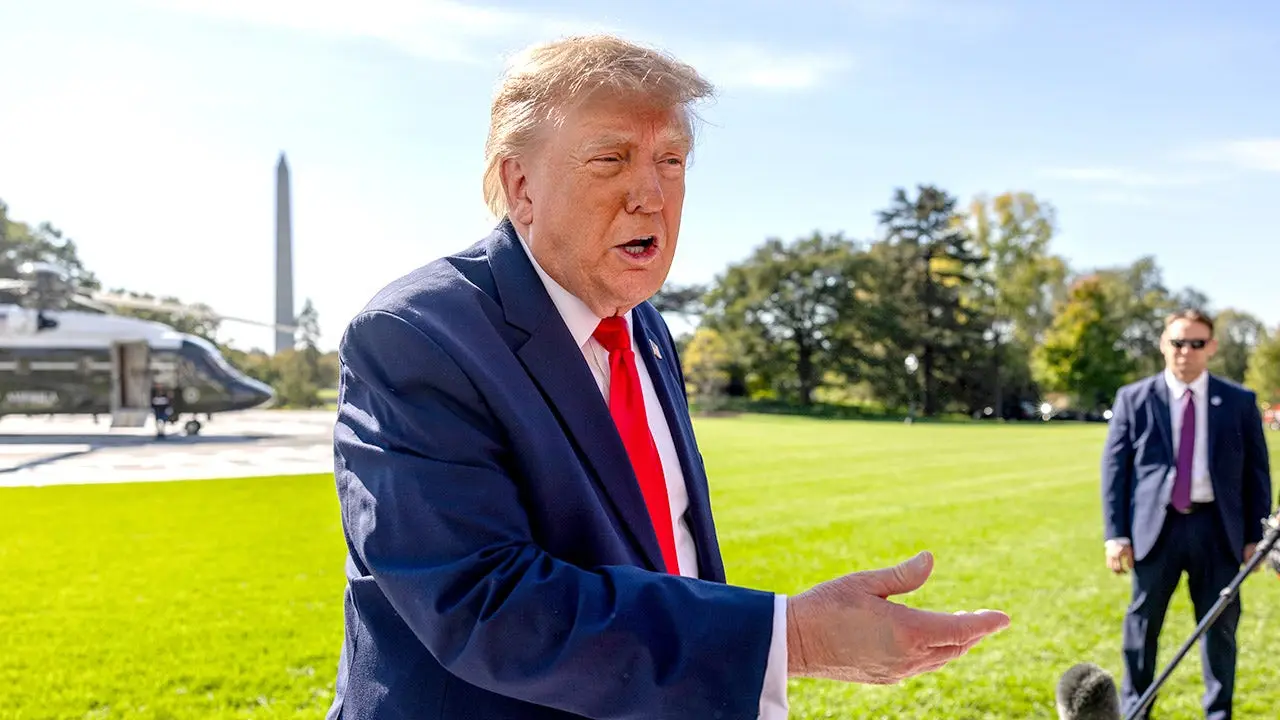
Election offices across the country have become quiet battlefields in the final days before the vote, and a federal judge just made clear that there are limits to how much pressure the federal government can apply. U.S. District Judge Trina Thompson on Friday temporarily barred the Trump administration from threatening election workers with criminal prosecution over ballots connected to suspected noncitizens. The ruling came in response to a lawsuit filed by labor unions and civil rights organizations, including the Service Employees International Union and the NAACP, who argued that the administration’s letters to state and local officials were not just bureaucratic inquiries but a form of voter intimidation. Thompson, a Biden appointee, agreed for now. In an eight-page order, she wrote that “one of the hallmarks of a fair election is the freedom to exercise the right to vote free from threat, fear, or intimidation.” The temporary restraining order is exactly what it sounds like: a legal pause button. It prevents federal officials from threatening, intimidating, or coercing election workers into halting ballot processing solely because the administration alleges that certain voters are ineligible. It also stops federal officials from demanding that election administrators remove registered voters from the rolls, refuse them ballots, or segregate their ballots and refuse to count them based only on those allegations. In plain terms, federal agents and prosecutors cannot use the fear of criminal charges to get local clerks to throw out votes. This is not a final ruling on whether the administration’s broader election integrity efforts are lawful. It is a stopgap measure designed to prevent immediate harm while the courts sort through the legal questions. And it comes at a moment when the stakes could hardly be higher: the official day of the election is only days away, and in many states, voting is already underway.
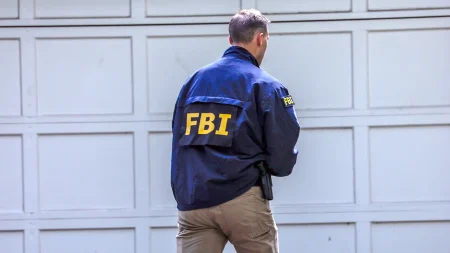
The case did not emerge from a vacuum. For weeks, the Trump administration has been pressing states for voter registration information, arguing that its efforts are necessary to prevent noncitizens from voting and to protect the integrity of American elections. Federal officials, including the Justice Department and the Department of Homeland Security, had sent letters to election officials across the country that combined requests for data with pointed warnings. In the view of the administration, these were legitimate enforcement tools aimed at ensuring that only eligible citizens participate in elections. But to the plaintiffs who filed suit, the letters crossed a line. They argued that the administration was using the threat of criminal prosecution to pressure election workers into taking action against voters who had not been proven ineligible. The distinction matters. There is a difference between asking questions about voter rolls and telling local officials that they could face prosecution if they do not respond in a certain way. The judge found that the federal government’s approach likely violated the Voting Rights Act, which has long prohibited intimidation of voters and election officials. The lawsuit highlighted a fundamental tension: while the administration says it is trying to enforce the law, civil rights groups argue that the real effect is to inject fear and confusion into the electoral process. For election workers, many of whom are volunteers or part-time public servants, receiving a letter from the Justice Department with prosecutorial undertones is not a routine experience. It can feel overwhelming, even threatening, especially when the message is essentially that processing certain ballots could lead to criminal liability.
Judge Thompson’s order is narrow but significant. It does not prevent the administration from investigating noncitizen voting or from making legitimate demands backed by evidence. What it prohibits is the use of threats, intimidation, or coercion to get election workers to stop processing ballots solely because the government has alleged that certain registered voters are ineligible. The order also bars the administration from demanding that election officials remove registered voters from the rolls, refuse to issue ballots to them, or segregate and refuse to count their ballots based purely on those allegations. In other words, a federal allegation is not the same as a judicial determination of ineligibility. The judge emphasized that the public has a paramount interest in making sure election officials can do their jobs in accordance with federal law and election procedure, and with Election Day so close, the balance of equities and the public interest weigh in favor of the plaintiffs. There is a deeply human dimension to this ruling. Election workers are ordinary people: librarians, retired teachers, college students, neighbors. They are asked to administer complex rules under intense scrutiny and, in recent years, under real threats. When the federal government sends them letters suggesting criminal prosecution for doing their jobs, the effect can be chilling. The judge recognized that this is not just a legal abstraction. It is about whether people feel safe enough to carry out the basic functions of democracy.
Perhaps the most striking sentence in Thompson’s order was her observation that “ballots have already been issued” and “Americans have already begun voting.” That simple reminder cuts through the legal jargon. This is not a hypothetical debate about a future election. It is happening right now, in real time, while real people are casting real votes. The temporary restraining order also requires the administration to notify state and local governments that received the disputed letters that the demands and prosecution threats contained in them have been blocked. That notification requirement is important because it addresses the chilling effect directly. Even if federal officials stopped sending new letters, state and local election workers who had already received threats might still be afraid to act. The order tries to erase that fear by telling them, in effect, that they are protected from these particular threats for now. The ruling is a reminder that courts sometimes step in at the last minute to steady the ship. It does not resolve the larger political debate over noncitizen voting, which is already illegal and which the administration points to as a justification for its actions. But it does put a check on the methods being used to pursue that goal, especially when those methods could cause confusion and suppression in the final hours before the election.
The same day brought another setback for the administration on a related front. A federal appeals court separately ruled against the Trump administration’s emergency request to require California to set aside mail-in ballots associated with roughly 20,000 voters that federal officials had identified as likely noncitizens. The Ninth U.S. Circuit Court of Appeals denied the Justice Department’s request to set aside those ballots while officials reviewed the citizenship status of the voters involved. This was another significant defeat for the administration’s fast-moving legal strategy. The California case involved a similar core issue: what happens when federal officials believe they have found potentially ineligible voters right before an election? The administration wanted those ballots isolated and held back, arguing that it was better to be cautious and verify citizenship before counting them. Voting rights advocates and state officials argued that removing ballots from the count based on unverified accusations would violate voters’ rights and create a dangerous precedent. The appeals court effectively sided with those concerns, at least for the time being. The ruling ensured that the disputed ballots would remain part of the process while the legal fight continued. For the voters involved, many of whom may well be citizens, the outcome was a relief. No one wants to learn days before an election that their ballot might be set aside because of a federal allegation they had no chance to challenge. The court’s decision meant that, at least for now, those ballots would not be singled out for special treatment.
Taken together, the two rulings reflect a pattern. Courts are increasingly willing to scrutinize the Trump administration’s election-related enforcement actions when they appear to conflict with established voting rights protections. The Justice Department did not immediately respond to a request for comment, and it is possible that the administration will appeal Friday’s ruling or seek emergency relief from a higher court. That means the legal situation could change again before Election Day. But for now, election workers and voters can operate with a measure of clarity. The message from the courts is that federal officials cannot use the threat of criminal prosecution to intimidate local election administrators, and they cannot demand that ballots be cast aside based on unverified allegations. The deeper significance of these rulings goes beyond any single ballot or voter roll. At its core, the law being invoked in this case, the Voting Rights Act, exists to protect the fundamental right to participate in elections without fear. Judge Thompson’s order is a reminder that this protection extends not only to voters but also to the people who run our elections. In the rush of the final days, with accusations flying and procedures being challenged, it can be easy to forget that elections are run by human beings. Friday’s rulings acknowledged that humanity, and they affirmed that democracy works best when everyone involved can act without the shadow of intimidation hanging over them.