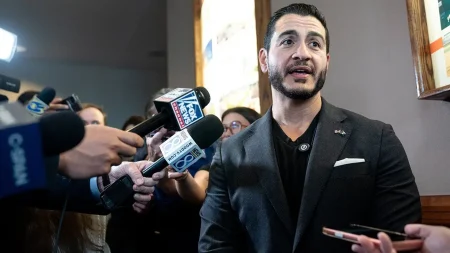




In the high-stakes theater of modern American politics, campaigns are frequently reduced to convenient, polarized narratives designed to fit neatly into twenty-four-hour news cycles and partisan talking points. As the nation pivots toward critical midterm elections, a familiar battle of perception is unfolding across the country, highlighting the deep-seated anxieties of an electorate caught between two radically different visions of the future. On one side of this divide, Republican strategists have seized upon recent primary victories by progressive candidates, presenting them as definitive proof that the Democratic Party is drifting into a radical, unrecognizable left-wing territory that is out of touch with mainstream American values. Yet, beneath the polished rhetoric of Washington consultants and cable news commentators, those on the ground tell a vastly different story—one rooted not in abstract political theory or foreign ideologies, but in the gritty, day-to-day realities of working-class survival. For allies of progressive figures like Abdul El-Sayed, these electoral victories are not a sign of ideological extremism, but rather a loud, unmistakable cry for help from communities that feel utterly abandoned by the political establishment. By reframing these wins not as a dogmatic shift to the left but as a direct demand for an economic message centered squarely on the needs of everyday families, grassroots organizers are attempting to bridge the gap between partisan division and shared human necessity. This unfolding struggle represents a critical turning point for the Democratic Party, which must now decide whether to play defense against conservative attacks or embrace a bold, populist agenda that directly addresses the economic pain felt by millions of ordinary Americans who have watched their wages stagnate while the cost of basic survival continues to soar.
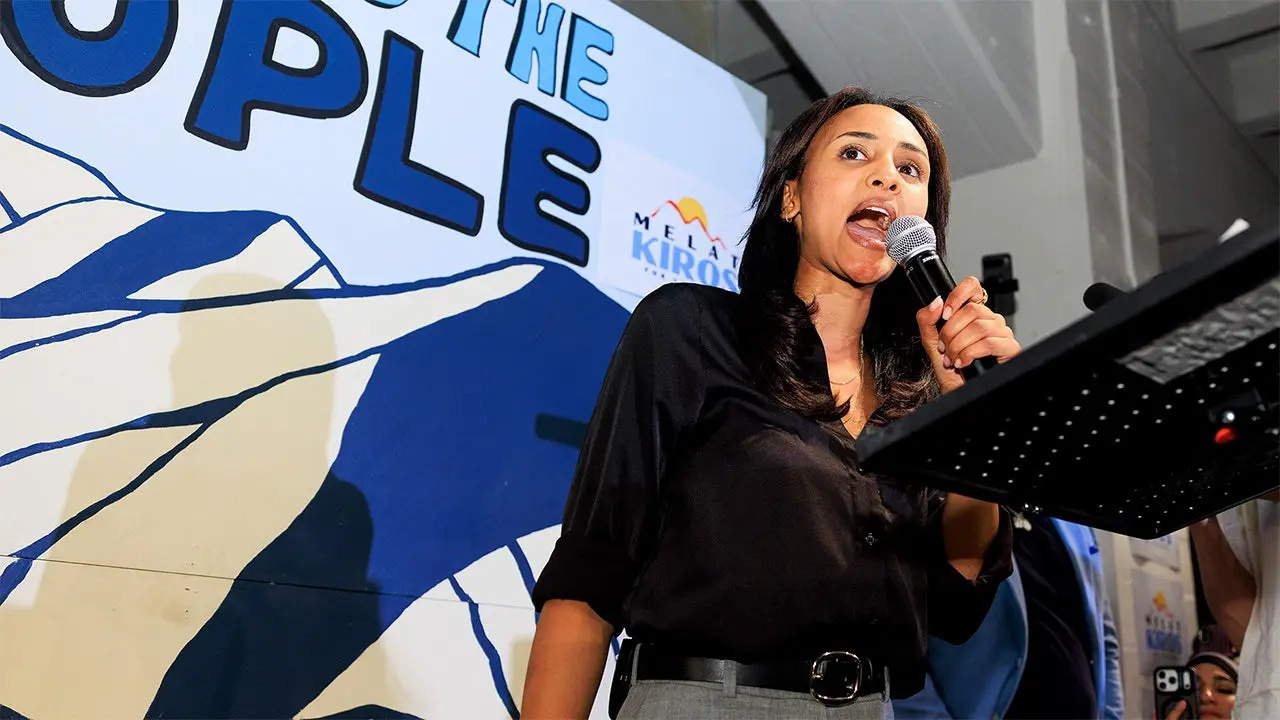
This fundamental disconnect between elite political framing and the lived experiences of ordinary citizens was a central theme articulated by Melat Kiros, an advocate on the front lines of Abdul El-Sayed’s campaign efforts. When pressed by media outlets eager to categorize the movement within the rigid, pre-existing boundaries of political science, Kiros pushed back against the notion that their work is defined by strict ideological dogmatism. Instead, she painted a picture of a campaign fueled by a desire to disrupt a deeply entrenched political establishment that has long prioritized corporate interests over human dignity. “This isn’t a movement about the left and the right,” Kiros explained with a clarity that cuts through typical campaign jargon. “It’s a movement of the people against the people in power, the ones that have left working people behind.” Her words expose a growing, non-partisan frustration with a system that many Americans believe is fundamentally rigged against them—a system where the voices of ordinary voters are consistently drowned out by the immense financial influence of billionaires and multinational corporations who are deeply invested in maintaining the comfortable status quo. By focusing the conversation on this profound power imbalance, Kiros shifts the narrative away from divisive culture wars and toward a shared economic reality. The goal, she emphasizes, is not to win academic debates or achieve ideological purity, but to elect genuine, uncorrupted fighters who are willing to enter the political arena to secure tangible, immediate relief for families struggling to pay rent, afford groceries, and keep their lights on.
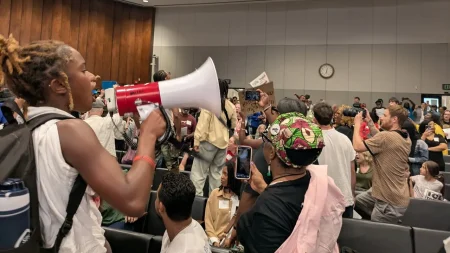
The electric atmosphere at El-Sayed’s election night watch party served as a living testament to this unconventional, people-powered approach to modern organizing, drawing a diverse crowd of passionate supporters who reject traditional political choreography. Among those in attendance was prominent left-wing political streamer Hasan Piker, whose presence highlighted the rapidly evolving landscape of political communication and mobilization in the digital age. Piker, who had actively campaigned alongside El-Sayed on the eve of the primary, represents a new breed of political influencer who bypasses legacy media gatekeepers to engage directly with millions of young, disillusioned voters. While mainstream critics often focus on the controversial nature of Piker’s past remarks, his massive appeal underscores a deeper cultural shift: a generation of voters who are tired of sanitized, focus-grouped politicians and are instead drawn to raw, unfiltered, and deeply passionate discussions about systemic inequality and corporate greed. Within the walls of the watch party, the energy was palpable—a mixture of anxious anticipation and defiant hope that stood in stark contrast to the sterile, boardroom-like environments often associated with traditional, establishment campaign events. Here, politics was not treated as a chess game played by wealthy donors, but as a collective, emotional endeavor shared by teachers, healthcare workers, and young activists who believe that a better world is actually possible. The gathering demonstrated that the progressive movement is not merely a collection of policy proposals, but a vibrant, living subculture defined by solidarity and a shared determination to reclaim the democratic process for the common good.
Lending further weight to this inclusive philosophy was Pennsylvania State Representative Chris Rabb, who flatly rejected the mainstream media’s eagerness to characterize El-Sayed’s success as a leftward lurch for the Democratic Party. With the seasoned perspective of an elected official who has spent years listening to the concerns of diverse constituencies, Rabb offered a refreshing alternative to the tired, binary framework of American politics. “I don’t really see left and right,” Rabb observed. “I see forward.” This simple yet profound distinction lies at the very heart of the progressive populist message, which seeks to transcend traditional geographic and political divides by focusing on universal human necessities that are completely blind to political party affiliation. Rabb argued passionately that when you strip away the polarizing labels and identity politics that dominate national airwaves, voters across the political spectrum—including those living in deep red, historically conservative districts—are ultimately asking for the same basic things. They want access to high-quality, affordable healthcare so that a sudden illness does not plunge their families into bankruptcy, and they want a living wage that reflects the true value of their hard work and allows them to raise their children with dignity. “That’s not a left issue, that is a humane issue,” Rabb pointed out, emphasizing that the desire for economic security and human dignity is a universal human constant, not an ideological luxury. By framing these struggles as fundamental questions of morality and human rights, Rabb and his colleagues are attempting to build a broad, multi-racial, and multi-class coalition that can unite working people against the wealthy elites who profit from their division.
Naturally, this populist surge has drawn fierce opposition from political opponents eager to weaponize these victories to scare moderate voters. When questioned about whether these progressive triumphs play directly into the hands of the Republican Party—providing them with easy ammunition to paint the entire Democratic apparatus as an enclave of far-left extremists and “communists”—Representative Rabb remained entirely unbothered by the opposition’s predictable attacks. With a calm, pragmatic realism, he dismissed the anxiety that often paralyzes moderate Democratic strategists, pointing out that the GOP’s messaging apparatus is going to fabricate negative narratives regardless of who wins the primary. “I believe the GOP has the ability to manufacture any critiques for their own political benefit,” Rabb noted, acknowledging that in the highly polarized modern media landscape, partisan attacks are an inevitable cost of doing political business. “As long as Democrats are winning, whether centrist or leftist, whomever, there’s always going to be a playbook to be negative.” Rather than wasting valuable time and energy trying to anticipate and defend against these manufactured critiques, Rabb argues that Democrats must reclaim their own agency and proudly champion their own vision for the future. This perspective represents a vital shift in strategy: instead of allowing the opposition to define the terms of the debate, progressives are urging their party to stop playing defense and start playing offense. By focusing on a positive, transformative agenda that offers real, concrete solutions to systemic problems, they believe they can render negative partisan attacks irrelevant in the eyes of voters who are simply looking for someone to fight for them.
Ultimately, the unfolding debate surrounding campaigns like Abdul El-Sayed’s is about much more than a single election or the tactical maneuvering of a political party; it is a profound reflection of the state of American democracy itself. Across the nation, there is a deep, aching desire among the populace for a government that actually works for the people who elect it, rather than the wealthy interests that fund it. Representative Rabb summarized this sentiment perfectly when he stated that he is not concerned with the Republican playbook, but is instead entirely focused on “what our playbook is to reach a populace that is yearning for transformative change.” This yearning is not an abstract concept; it is felt in the empty bank accounts of working parents, the anxiety of students buried under mountains of debt, and the despair of communities that have watched their local economies hollowed out by decades of corporate globalization. The true path forward for the Democratic Party—and indeed, for the country—lies in acknowledging this human pain and having the courage to address it with bold, systemic solutions. By shifting the focus away from superficial ideological battles and centering it on the real-world struggles of working-class families, these progressive leaders are attempting to restore a sense of trust and purpose to a political system that has long been viewed with cynicism and despair. In doing so, they offer a powerful reminder that politics, at its very best, is not about labels, corporate donations, or strategic spin, but about the collective human effort to build a society where every individual has the opportunity to live a life of security, dignity, and hope.