


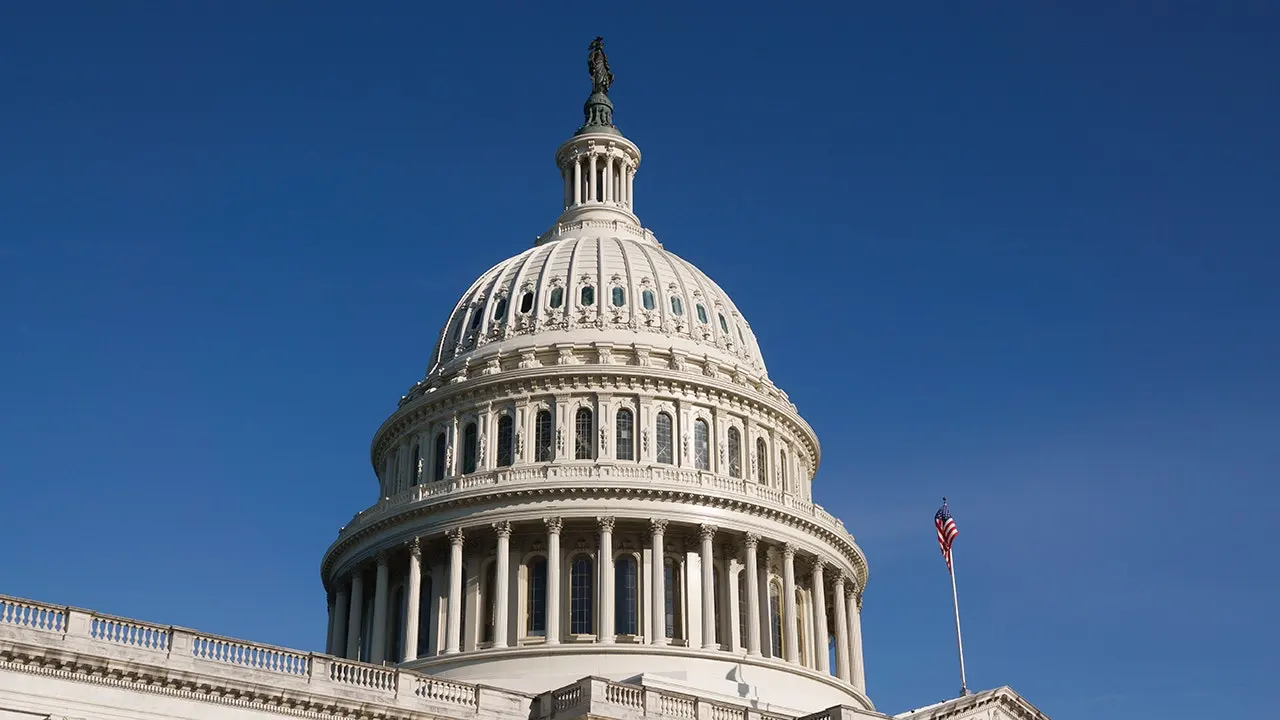
The historic, oak-paneled halls of Capitol Hill recently vibrated with a sense of desperation that felt far more suited to a high-stakes, fourth-quarter sports drama than the dry proceedings of federal policymaking. For generations, college athletics served as a beautifully flawed monument to amateurism, a cultural tapestry woven from Saturday afternoon tailgates, fight songs, and the raw, unpolished ambition of young students playing purely for the love of the game and a shot at a degree. Today, however, that nostalgic landscape has dissolved into an unrecognizable, multi-billion-dollar wilderness of unstructured capitalism, leaving universities, coaches, and players entirely adrift. Recognizing that the traditional foundation of intercollegiate sports is rapidly crumbling under the weight of name, image, and likeness (NIL) deals, unchecked transfer portals, and endless litigation, a bipartisan coalition of senators has stepped onto the field. Led by Texas Republican Senator Ted Cruz and Washington Democratic Senator Maria Cantwell, the Senate Commerce Committee recently approved a monumental, sweeping legislative framework designed to salvage—or, as critics suggest, fundamentally over-regulate—the future of college sports. The atmosphere within the committee room was thick with a palpable, bipartisan urgency, signaling to the public that the status quo is completely unsustainable and that Congress may represent the absolute last line of defense before the entire amateur sporting ecosystem implodes into chaotic, unrestrained professionalization.
This ambitious legislative gameplan, scheduled for a high-stakes debate on the Senate floor in July, aims to establish a standardized, nationwide payout framework that would replace the current, bewildering patchwork of state-level NIL regulations. Lawmakers are deeply terrified that if Capitol Hill remains on the sidelines, the wealthiest powerhouse programs will simply weaponize their massive booster networks to outbid smaller, historically rich but financially modest schools for elite recruits. Senator Cynthia Lummis of Wyoming gave voice to this quiet anxiety, expressing a heartfelt concern that under the current lawless system, regional universities will never again have the opportunity to develop unheralded talents like Buffalo Bills star quarterback Josh Allen, simply because they lack the localized donor base to compete with southern football factories. To address this financial disparity and curb what many view as rampant roster instability, the proposed bill takes a remarkably firm stance on athlete mobility: it restricts players to just a single transfer during any five-year period without facing a competitive penalty. This particular clause addresses a major point of frustration echoed recently by legendary former Alabama football coach Nick Saban, who warned senators that the sheer volume of players entering the daily transfer portal—coupled with an absolute lack of regulatory control over aggressive, predatory sports agents—has turned college football rosters into a chaotic weekly carousel of mercenary transactions.
Yet, despite the desperate cries for federal intervention, the proposed legislation has exposed deep, philosophically charged rifts among lawmakers who have actually lived and breathed the realities of elite college sports. Senator Cory Booker, a New Jersey Democrat and the only former Division I college athlete currently serving in the Senate, has emerged as a passionate opponent of the bill, drawing from his personal experience playing tight end for the Stanford Cardinal. Booker argues with fierce conviction that the NCAA has spent decades systematically capitalizing on the physical labor of young men and women while actively denying them basic protections, and he firmly believes that trusting the current system or this new legislation to protect young athletes is a grave mistake. Strikingly, he finds himself in an unlikely coalition of dissent with Alabama Republican Senator Tommy Tuberville, the only former Division I head football coach in the chamber, who famously commanded the sidelines at Auburn and Ole Miss. Tuberville, speaking with the gritty skepticism of a veteran coach, warned against inviting the federal government into the locker room, comparing the legislative effort to a sports-world equivalent of Obamacare and arguing that Congress has absolutely no business deciding how much money young athletes can earn. Yet, even Tuberville reluctantly conceded that college athletics is currently engulfed in a roaring, five-alarm fire, highlighting the agonizing paradox facing lawmakers who despise federal overreach but fear that doing nothing will result in the total destruction of a cherished American pastime.
The fierce debate over this legislation also shines a harsh, unforgiving spotlight on the spectacular collapse of the National Collegiate Athletic Association’s governing authority. For over a century, the NCAA ruled college athletics with an iron fist, but in the modern era, it has found itself completely toothless, continuously defeated in federal courts and rendered functionally obsolete by the sheer economic power of super-conferences like the SEC and the Big Ten. Political commentators and sports analysts alike, such as former GOP Senate aide Matt Mackowiak, have pointed out that the Cruz-Cantwell bill fails to address complex, localized scandals, such as the gambling controversies and booster drama that recently swirled around Texas Tech. Mackowiak and other critics question why the federal government is attempting to construct an entirely new, highly complicated regulatory bureaucracy when an existing governing body already exists, even if that body has lost its bite. Adding to the irony is the fact that the NCAA itself actively lobbied Congress for this intervention, essentially admitting to lawmakers on Capitol Hill that it is completely incapable of regulating the modern NIL landscape on its own. This humble plea for a federal rescue has only deepened the cynicism of lawmakers like Booker, who argue that an organization with a century-long track record of failing its student-athletes should not be granted a federally backed shield to preserve its troubled monopoly.
Beyond the complex arguments over athlete welfare and institutional power, the Senate’s proposed intervention has sparked quiet panic among the millions of ordinary, working-class sports fans who simply want to watch their favorite teams play on Saturday afternoons. Media analysts warn that the new legislation could inadvertently disrupt the delicate, lucrative ecosystem of sports broadcasting by accelerating the fragmentation of media rights across an exhausting array of exclusive streaming services and localized paywalls. Senator Amy Klobuchar of Minnesota and Senator Tammy Baldwin of Wisconsin have both raised urgent alarms on behalf of their constituents, pointing out that fans are already deeply frustrated by random regional blackouts and the rising costs of multiple digital subscriptions just to follow a single season. If the financial landscape of college sports becomes even more aggressively corporate and commercialized to sustain high athlete compensation, the cost of these massive broadcast contracts will inevitably be passed down to the consumer. There is a very real, depressing possibility that the historical, democratic accessibility of college sports—where a family could turn on a basic broadcast television set and feel a deep sense of community connection—could be permanently locked away behind expensive, corporate digital paywalls, leaving the average fan entirely shut out of the experience.
As the Senate prepares for its crucial July debate, the legislative path forward remains highly treacherous, leaving observers to wonder if Congress actually possesses the collective will or the focus to pull off this legislative Hail Mary. The House of Representatives has already stumbled spectacularly on this very issue, forcing Republican leadership to yank two entirely different college sports bills from the floor earlier this year because they simply could not muster the necessary votes. Furthermore, the Senate’s summer calendar is already choked with monumental, highly sensitive national security priorities, ranging from the confirmation of crucial intelligence directors to the reauthorization of key anti-terrorism surveillance programs, leaving little leftover energy for sports reform. Yet, the warning signs remain incredibly stark, with rumors swirling that the powerhouse programs of the SEC and the Big Ten may eventually break away altogether to form an elite, highly commercialized mega-conference that completely abandons the academic spirit of traditional universities. In the end, Washington is running out of time to decide whether to let the classic era of college sports burn to the ground, or to step onto the field, take a massive political risk, and try to write a brand-new playbook for the modern student-athlete.