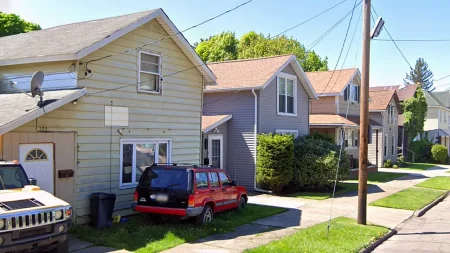



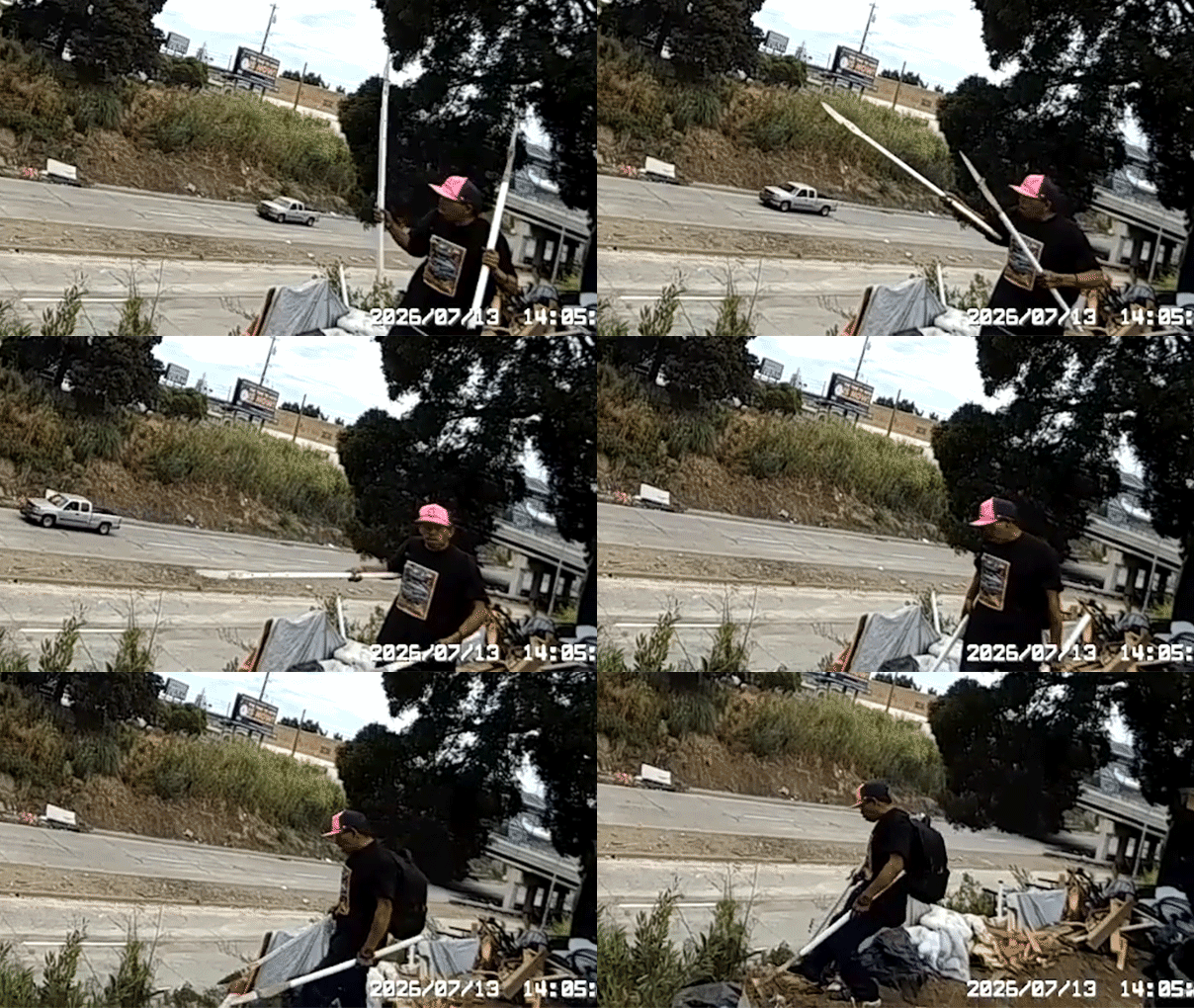
It was the kind of encounter that begins on a street corner in ordinary daylight and ends with a family forever changed and a police department under intense scrutiny. Shortly after 2 p.m. on July 13, in an area where the city’s tough realities fade into a neighborhood of auto shops and small apartment buildings near 40th Avenue and International Boulevard, the California Highway Patrol asked Oakland officers for a hand. The report was clear enough: a man was armed and acting aggressively, and someone needed to do something before it got worse. When Oakland police arrived, they found Jose Angel Castillo, 43 years old, standing in the open or walking along the sidewalk near a homeless encampment, according to local news reports. The first descriptions of what he was carrying were tangled and shifting, as these real-time patrol reports often are. KTVU later reported that authorities believed Castillo had been holding two makeshift spears; in the heat of the moment, officers on the radio described two knives, then something that sounded like a hammer, and still later, officials would say only that a collection of bladed weapons had been recovered. Police say the subject refused to stop and refused to drop anything. What the officers say happened next has been partially preserved on video: a tense, uncomfortable chase down the street, a man seemingly talking back, and repeated commands that no one would hear or obey.
The video, which gives the public a shaky, real-time view of the last minutes of Castillo’s life, is difficult to watch even in its less violent moments. It begins with officers asking for backup and one officer telling dispatch that they are out with a man who is holding two knives and being aggressive. There is no screaming from the officers right away; it is a pressurized conversation, a walk-and-talk that is simultaneously a standoff. The camera shows officers trailing Castillo as they order him to drop, not one weapon, but everything he is holding. “Drop that,” one officer says, and then, almost as if he’s not doing enough, another voice adds, “Drop that too.” Someone on the radio announces they have a subject holding two knives. Another officer, trying for more authority than the material ever had, calls out, “Drop the knife!” then says “Drop the knives! Drop the knives!” He is told he is being detained. He is told the police are right there. “You need to drop those right now,” one officer says, lowering his voice to a level that sometimes forces compliance. “We’re the police, man.” The man doesn’t drop them. Instead, he takes a few steps and raises the objects in front of him, and the ordering becomes louder, faster, almost desperate. There is a repeated command for him to stop right there, a reminder that officers have a Taser ready, and then the sound of the confrontation moving to a place where words may no longer be able to stop.
Castillo’s own words during the final moments are almost pathetic in the deepest sense of that word. He can be heard demanding, “What are you doing to me?” and then asking what many civilians ask in the highest second of their fear: “What have I done?” At one point, the confrontation breaks into a direct command to stop, and his answer is a raw “No! No! Leave me alone!” It is not the voice of a tactical negotiator or of someone proud that he is armed; it’s the voice of a person on edge, maybe confused, maybe afraid, probably not understanding why the world has narrowed to this one sidewalk. The police version of events is that Castillo refused to obey lawful orders and then lunged at the officers with a weapon, creating an imminent threat of serious physical injury. At the moment that happens, the video turns violent, indistinct, and horrible: a sudden burst of gunfire, the sound of shots fired, and then the immediate radio call of “Shots fired, shots fired!” as voices order the man not to move. In that split second, a homeless man who had been complying, or not wanting any part of the police, or maybe trying to stave off what he saw coming, became a suspect shot in the street. OPD later said officers responded with both less-lethal and lethal force, giving them a chance to stop the threat only when it was too late for a better ending.
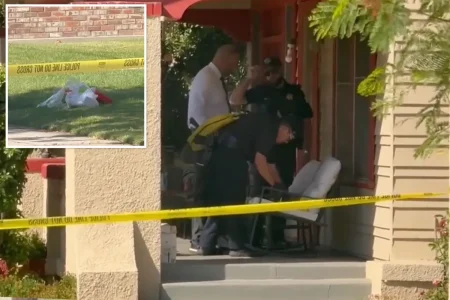
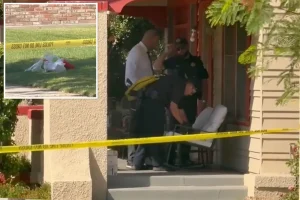
The aftermath was handled according to procedure, but that doesn’t make it feel any less sudden. Castillo was struck and went down, and officers immediately tried life-saving measures, according to police. But the injuries were too serious, and he died at the scene. When the area was secured and the conditions, several weapons were collected, all of which at least one officer thought was a hammer and what police later described as bladed instruments. To the public, it was a reminder that this was not an ordinary report of a person with one exact weapon; it was a confused and confusing scene in which officers could see knives, a hammer, spears, and many different danger filaments at different angles. The medical personnel weren’t needed for any of the officers on the side; no police officer or bystander was physically hurt. Yet the encounter still ended with only one person dead. The officers who had used force were promptly placed on paid administrative leave, which is standard policy when officers are involved in a shooting. They weren’t judged as guilty; they were just taken off the streets while the city reviewed what happened. The police report had not yet been released, the process had begun, and the man with a long forgotten name with a life had begun to become a name in their file.
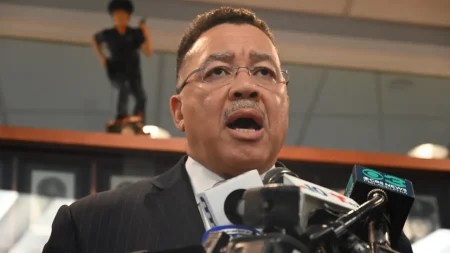
It is impossible to mention the name Jose Angel Castillo without also paying attention to the larger question, one taken up by the city’s civil rights lawyers and community groups. Jim Chanin, a civil rights attorney who handles police oversight cases and has monitored Oakland Police Department operations, did not speak about the specifics of the case but asked a broader question: does the show justify force? “There are lots of people who are threats,” Chanin told KTVU. “The question is, what kind of force is justified?” That’s an uncomfortable thing thought to read for a group of officers, especially because they had to make a decision in less than a heartbeat, while people watching from home have the luxury of watching frames over and over. But still, the necessity of an armed civilian who didn’t follow the order is not by itself the same as saying the natural outcome is death. This is why the investigations matter. OPD announced that it would conduct both a criminal and a separate administrative investigation into the use of force, overseen by the Alameda County District Attorney’s Office. Oakland’s Community Police Review Agency was also notified, adding a layer of civilian oversight to a process that the police department wanted to be appear free of. Those investigations will now be responsible for answering the narrow procedural questions and ethical questions: whether the officers were within policy, whether the less-lethal option was enough, whether anything could have been done differently before the shooting, and whether the officers involved should remain on leave or return to work. The police department’s response has been measured and open-ended. “The Department remains committed to transparency and will provide further updates as they become available and as appropriate under law,” it said in a statement, while also announcing that more details would be withheld for a time to protect the integrity of the investigation.
But in the end, all that procedural language can’t cover up the terrible human weight at the center of the scene. Somewhere in the millions of words that will be devoted to whether the shooting was justified, there is a man on the tape who asks, “What have I done?” in a voice that sounds genuinely lost. It’s the same old question that runs through many police encounters: What do you do when someone is trying to tell you that the law is the law, but his answer to you still is no? The new information won’t end the story; it’s not in an answer card. On the public side, a FOXNews media request to OPD asked whether the officers remain on leave, how the department responds to the criticism and if there’s any more contextual context around the encounter. The answers didn’t come quickly because the investigation is ongoing. In the meantime, the street where it happened returns to normal during daytime and video circulates, people claim the reason, and the family of Jose Angel Castillo is buried, maybe already buried. It is a grim reminder that for both men and law enforcement, the sequence of events is not about “another” officer or “another” suspect but about a human being, carrying a weapon, talking to the officers, and being so twisted up in fear or something else that he turns a simple yes and drop your hands into an impossible final decision.